Ancient Kingdoms, Buddhist Monasteries & The World's Highest Motorable Pass
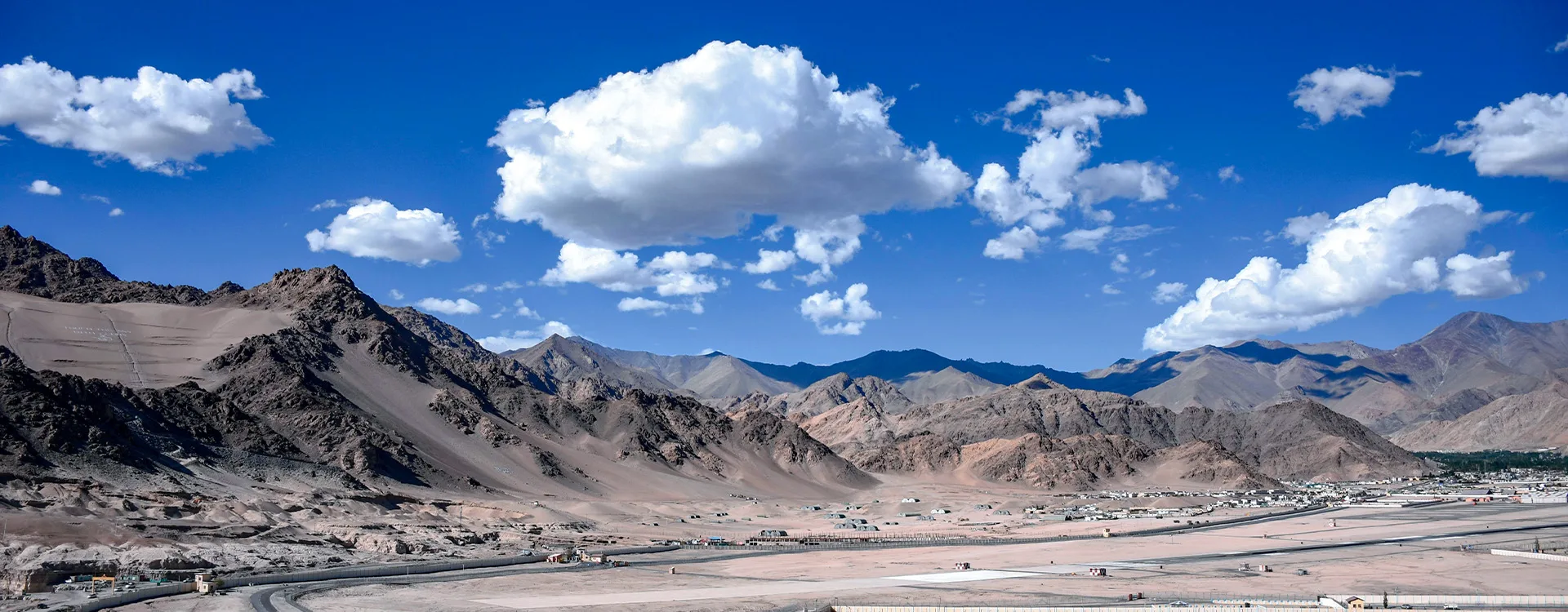
Four days in Leh — the ancient capital of the Kingdom of Ladakh at 3,524m — is the perfect introduction to one of the most extraordinary landscapes on earth. Barren mountains, turquoise rivers, medieval monasteries, and a Buddhist culture that has been practised continuously for over a thousand years.
This itinerary is specifically designed for travellers with limited time who want to experience the best of Leh without the longer drives to Nubra or Pangong. Day 1 is mandatory rest — arriving at 3,524m by air requires acclimatisation. Day 2 explores the Indus Valley monasteries south of Leh. Day 3 crosses the mighty Khardung La (5,359m) into the upper Nubra Valley for a day excursion before returning. Day 4 catches the early morning departure.
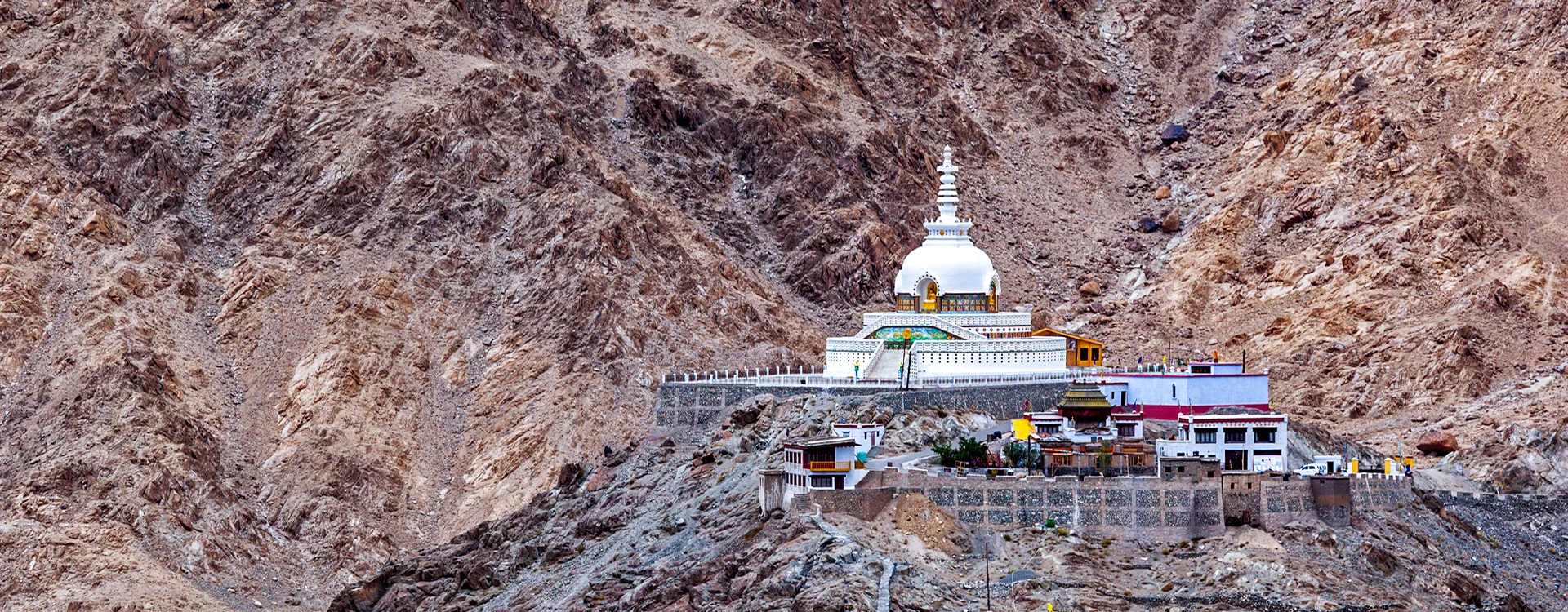
Leh's own sights are extraordinary: the Leh Palace (17th century, 9-storey, modelled on Lhasa's Potala), the Shanti Stupa (a Japanese-funded white stupa on a hilltop with 360° Himalayan views), the old city bazaar with its Tibetan Buddhist market stalls, and the Leh Main Market where monks, army personnel, trekkers, and traders create a uniquely Ladakhi scene.
What makes this journey special
Your journey, unfolded
Welcome to the Roof of the World! You will be met at Leh Airport and transferred to your hotel — a short walk away. The most important thing you can do today is rest. Arriving by air at 3,524m gives your body almost no time to adjust, and altitude sickness (AMS) is a genuine risk if you exert yourself in the first 24 hours. Drink 3–4 litres of water, eat light, avoid alcohol, and sleep.
In the afternoon, if feeling well, a slow gentle walk around the Leh Main Bazaar is fine — no exertion, no stairs beyond necessity. Observe the extraordinary mix of Ladakhi traders, Buddhist monks, army personnel, and international trekkers that makes Leh's market utterly unique. Return to the hotel for an early dinner and bed.
Now properly acclimatised, a full day exploring Leh and the Indus Valley. Morning in Leh town: the 9-storey Leh Palace (17th century, built by King Sengge Namgyal, partially restored) with views over the old city and the Stok Kangri range behind. Shanti Stupa (1991, Japanese-funded) on its hilltop above the city — the 360° panorama of the Indus Valley and surrounding ranges is the finest in Leh. The old city's Jama Masjid and the traditional Ladakhi neighbourhoods of Skara and Changspa.
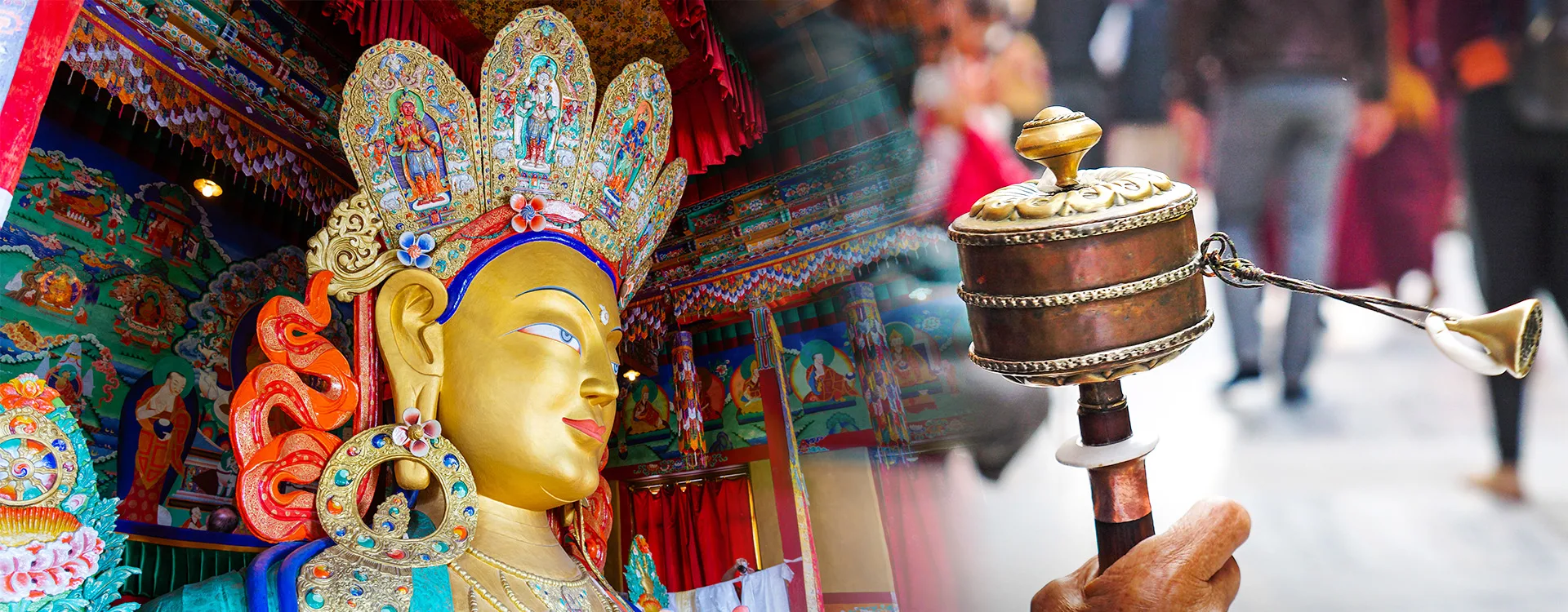
Afternoon drive south along the Indus Valley. Shey Palace (15 km from Leh) — the former summer capital of Ladakh, with a giant copper-gilt Shakyamuni Buddha (the largest in Ladakh) within its monastery. Thiksey Monastery (19 km) — a 12-storey complex that looks remarkably like Lhasa's Potala, housing a 49-foot Maitreya Buddha installed in 1980. Hemis Monastery (45 km) — the largest and wealthiest monastery in Ladakh, belonging to the Drukpa Kagyu school; its collection of sacred thangkas (some the size of a building, unrolled only at the annual Hemis Festival) is extraordinary.
Drive north from Leh to Khardung La (38 km, ~2 hrs) — one of the world's highest motorable passes at 5,359m. The BRO (Border Roads Organisation) milestone at the top is a popular photo stop; the views of the Ladakhi and Karakoram ranges are extraordinary and the thin air is exhilarating. A 30–45 minute stop at the top (acclimatise before ascending — do not run, breathe slowly). Drive back down to Leh for lunch.
Afternoon: the Sangam viewpoint at Nimmu (40 km south of Leh) — where the Zanskar River (blue-grey, glacier-fed) meets the Indus River (brown, silt-laden) in a dramatic visible confluence. The colour contrast where the two rivers merge is one of the most photographed scenes in Ladakh. Pathar Sahib Gurudwara (en route) — a Sikh shrine in the Indus Valley. Magnetic Hill (the famous optical illusion where vehicles appear to roll uphill).
Early morning: hike or drive to Namgyal Tsemo Gompa — the monastery on the ridge above Leh (5th century, said to be one of Ladakh's oldest) with views over the Indus Valley in the golden morning light. Return for breakfast and checkout. Transfer to Leh Airport for your departure flight. Tour concludes at Leh's Kushok Bakula Rimpochee Airport.
Inclusions & Exclusions
Included ✓
- ✓ Accommodation in handpicked hotels & guesthouses throughout
- ✓ Daily breakfast & dinner throughout
- ✓ Private 4WD SUV for all transfers and sightseeing
- ✓ English-speaking expert guide throughout
- ✓ All Inner Line Permits / Protected Area Permits (arranged by us)
- ✓ All monastery & monument entry fees
- ✓ Oxygen cylinder in vehicle for emergencies
- ✓ All applicable taxes
- ✓ Khardung La excursion with pass certificate
Not Included ✗
- ✗ Flights to / from Leh
- ✗ Travel insurance (strongly recommended)
- ✗ Lunches throughout
- ✗ Personal expenses & shopping
- ✗ Gratuities for guides & drivers
- ✗ Bactrian camel ride in Nubra (payable locally)
- ✗ Pony rides (payable locally where applicable)
Your questions, answered
Arriving at Leh by air (3,524m) without prior acclimatisation is one of the most common causes of Acute Mountain Sickness in India. The body needs 18–24 hours to begin adjusting to the reduced oxygen at this altitude. Exertion on Day 1 significantly increases AMS risk — headache, nausea, and breathlessness are the mild symptoms; pulmonary or cerebral oedema (fluid on lungs or brain) are the severe ones requiring immediate descent to lower altitude. A rest day is not wasted time — it is the single most important thing you can do to ensure you enjoy the rest of the tour. We schedule sightseeing from Day 2 once your body has begun adapting.
The fastest way is by air — Leh's Kushok Bakula Rimpochee Airport has daily flights from Delhi (1h 10m), Srinagar, Jammu, Chandigarh, and Manali. Book early as seats fill quickly June–September. The alternative is the Srinagar–Leh or Manali–Leh highway (both 2 days of mountain driving, open June–October) — extraordinary road journeys but time-consuming.
Yes — Leh is at 3,524m and some destinations reach 5,300m+. We strongly recommend: arrive by flight, rest on Day 1 (no strenuous activity), drink 3–4 litres of water daily, avoid alcohol for the first 48 hours, and consult your doctor about Diamox (acetazolamide) before travel. Do not attempt this tour if you have cardiac or severe respiratory conditions. Our drivers carry basic medical supplies and know the signs of AMS.
Indian nationals need an Inner Line Permit (ILP) for Nubra Valley, Pangong Tso, Turtuk, and Dah-Hanu. Foreign nationals require Protected Area Permits (PAP) for the same areas plus additional restrictions in some zones. We arrange all permits as part of your booking — this is handled by our Leh office and is included in the tour price.
June–September is the main tourist season — roads open, maximum sunshine, Pangong and Nubra accessible. July–August is peak season (book far in advance). October brings dramatic colours and fewer crowds but some mountain passes may close. May is beautiful but some roads are still opening after winter. December–March: extreme cold (-20°C) but the famous Chadar trek on the frozen Zanskar River.
Absolutely. We can add Zanskar Valley, Hanle Dark Sky Reserve, Tso Moriri Lake, or combine with the Srinagar–Leh highway drive. Enquire at no obligation — every tour is private.
60+ days: full refund minus admin fee. 30–59 days: 75% refund. 15–29 days: 50%. Under 15 days: no refund. Travel insurance is strongly recommended for Ladakh given weather-related disruption risk.