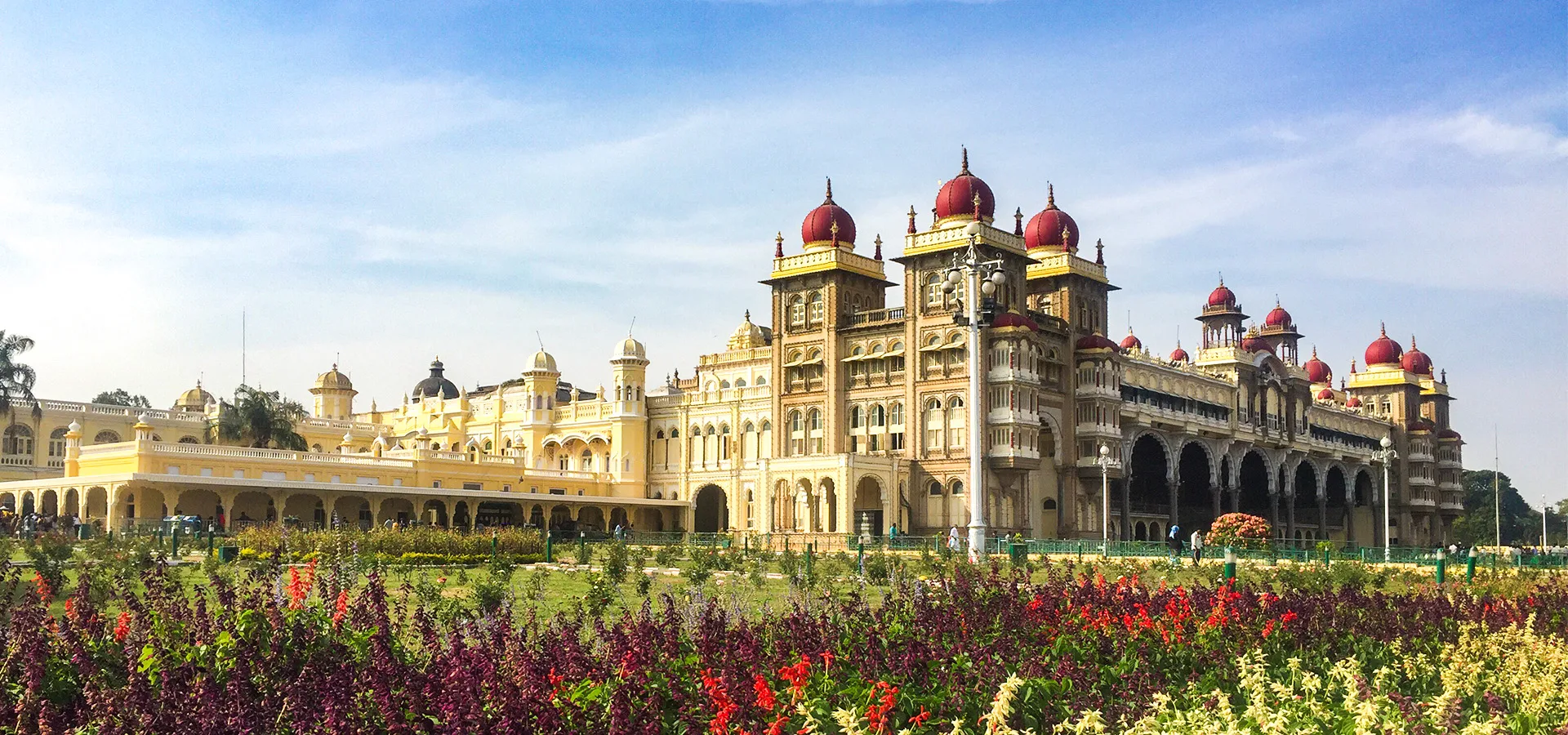
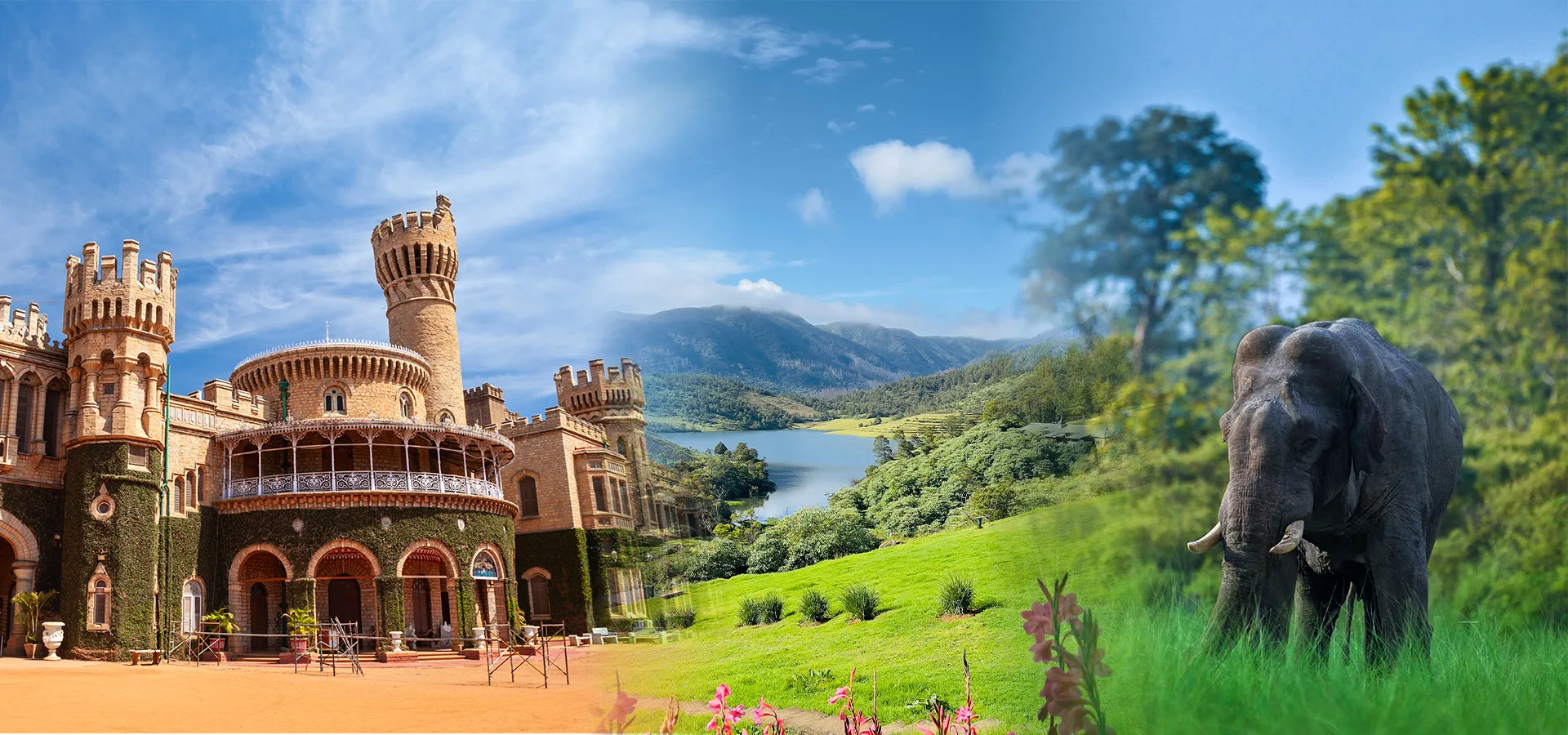
Karnataka packs an extraordinary range into a single state — Mysore's illuminated royal palace still glows every Sunday evening exactly as it did under the Wadiyar dynasty, while Coorg's mist-wrapped coffee plantations climb the Western Ghats toward Kerala's border.
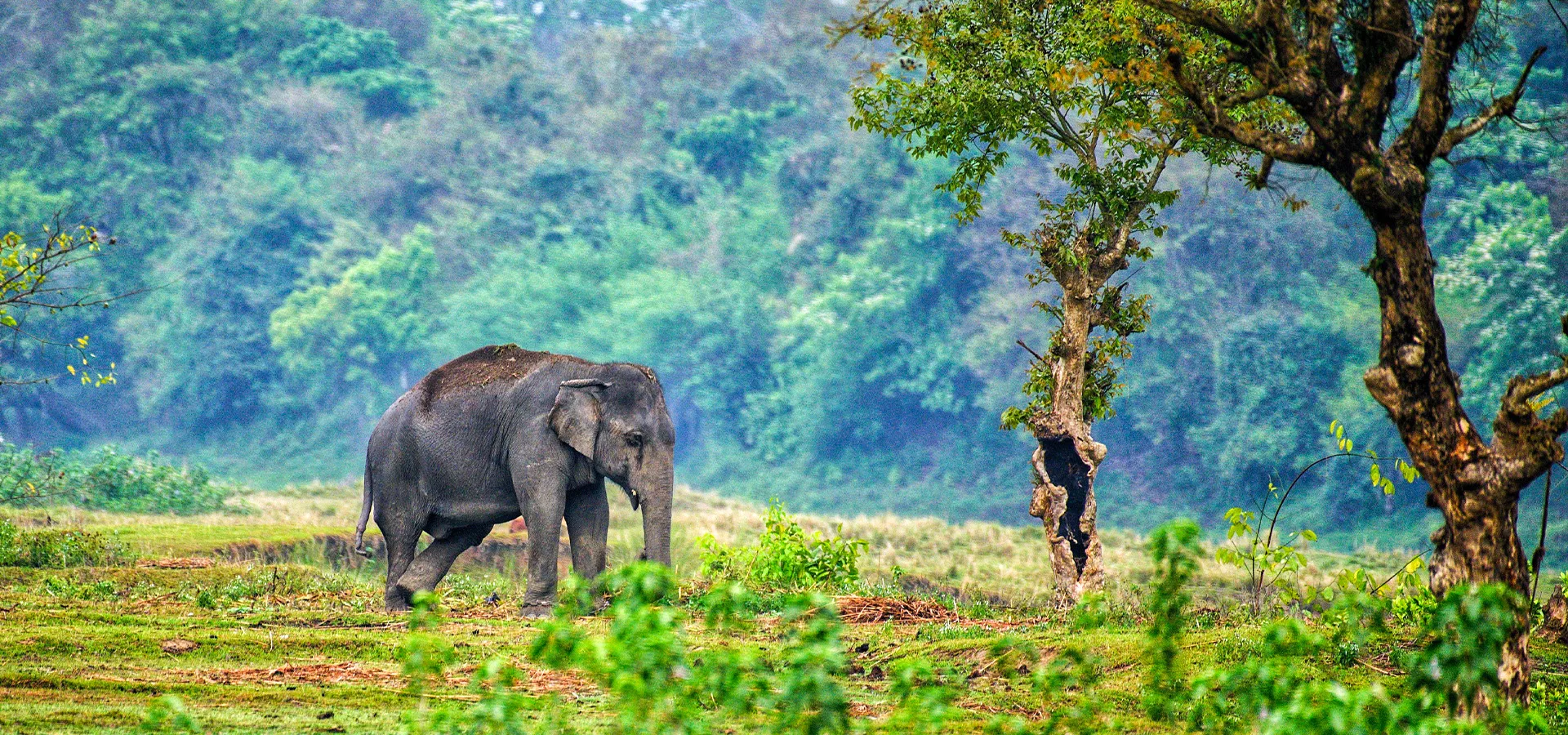
Bandipur and Nagarhole's tiger-and-elephant forests form part of one of South India's most important wildlife corridors, while Ooty's tea-covered Nilgiri hills lie just across the Tamil Nadu border, reachable by the UNESCO-listed Nilgiri Mountain Railway.
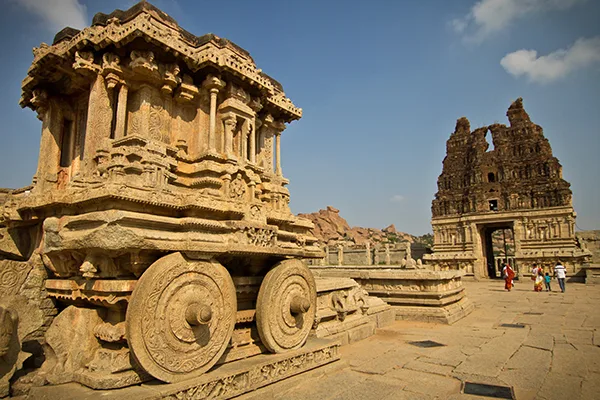
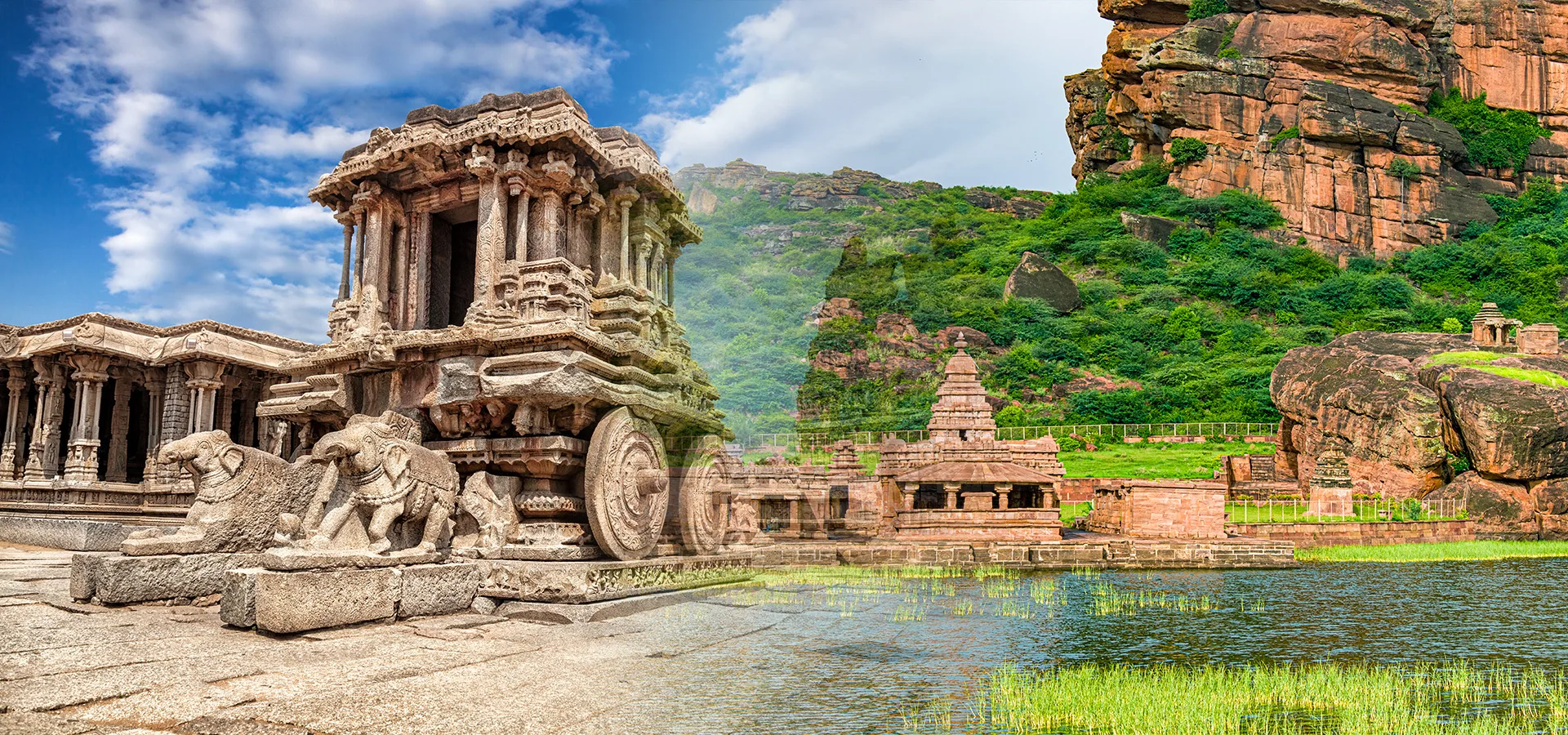
Further north, the UNESCO World Heritage ruins of Hampi — once the Vijayanagara Empire's capital and among the largest cities on earth in the 14th century — and Badami's 6th-century Chalukyan cave temples reveal a completely different, older Karnataka carved directly into boulder-strewn granite landscapes.
Six reasons Karnataka rewards travellers who go beyond Bangalore
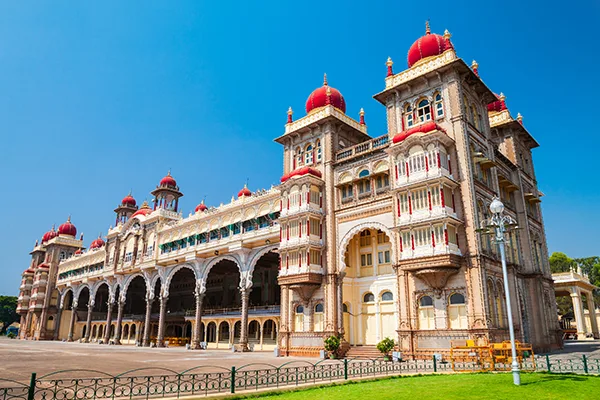
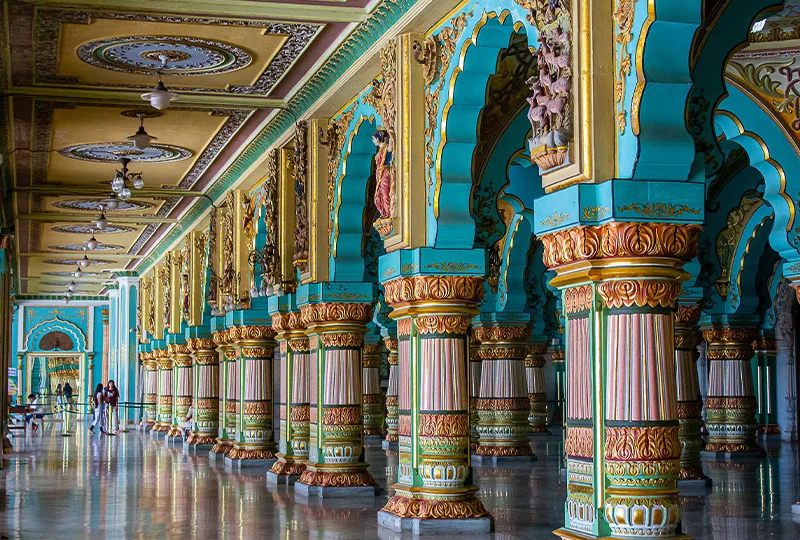
One of India's most ornate royal residences, illuminated by nearly 100,000 light bulbs every Sunday evening — a spectacle that has continued since the Wadiyar dynasty.
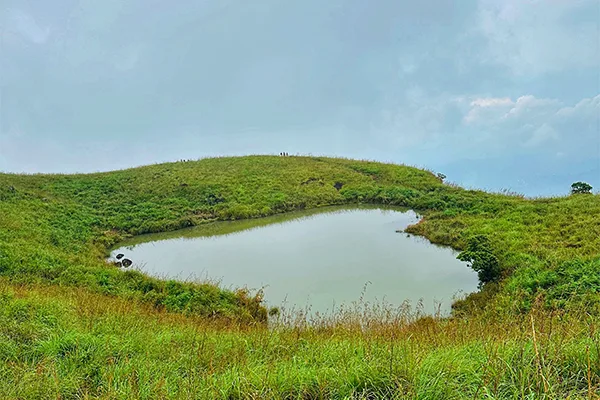
Mist-wrapped coffee, cardamom, and pepper plantations across the Western Ghats, with the Dubare Elephant Camp and Abbey Falls nearby — often called the 'Scotland of India'.
A UNESCO World Heritage boulder landscape holding the ruins of a 14th-century empire capital — the iconic stone chariot, the Virupaksha Temple, and the Lotus Mahal.
6th-century rock-cut Chalukyan shrines carved directly into a sandstone cliff overlooking Agastya Lake, alongside the North-South architectural fusion at nearby Pattadakal.
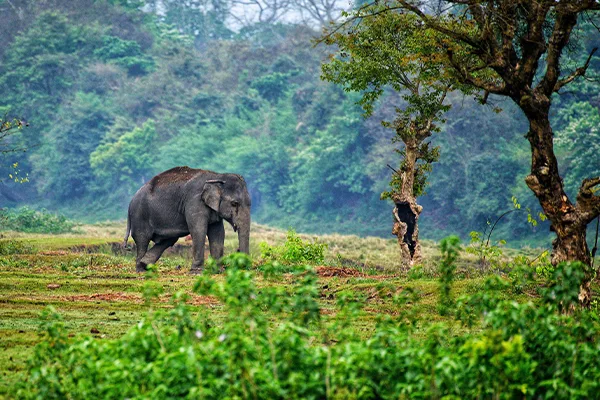
Tiger, elephant, and leopard territory forming part of the Nilgiri Biosphere Reserve — one of South India's most significant wildlife corridors.
Mysore Pak, filter coffee, and Karnataka thalis — a cuisine shaped by royal kitchens and the state's own distinct spice traditions.
Karnataka's varied terrain — coastal plains, Deccan plateau, and Western Ghats hill country — means conditions vary meaningfully by region.
Cool, dry, and comfortable across Bangalore, Mysore, and the hill regions. Daytime temperatures of 20–28°C; ideal for both heritage sightseeing and wildlife safaris.
Warmer on the Deccan plateau (Hampi, Badami can reach 35°C+), but Coorg and the Western Ghats hill stations stay pleasant. Good wildlife visibility as water sources concentrate animals.
The southwest monsoon brings heavy rain to Coorg and the Western Ghats especially — beautifully green, but sightseeing and safaris are significantly affected.
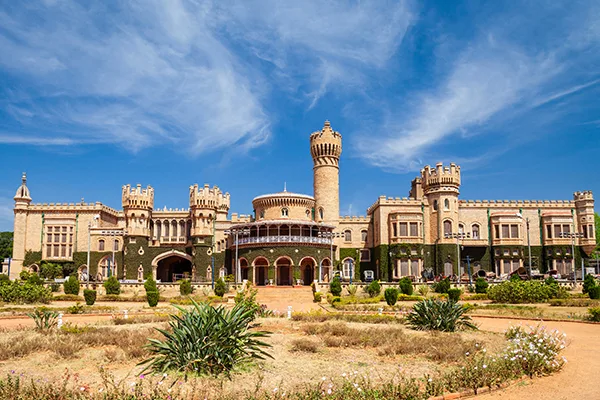
Karnataka's capital blends colonial-era parks and gardens with India's modern technology industry, serving as the natural gateway to the rest of the state.
Lalbagh Botanical Garden, Cubbon Park, and a lively café culture make Bangalore worth a day before heading into Mysore or the Western Ghats.
Karnataka's cultural capital, built around the extraordinary Mysore Palace — one of India's most ornate royal residences, illuminated every Sunday evening.
Chamundi Hills, Brindavan Gardens, and the city's silk-weaving and sandalwood traditions round out a genuinely regal introduction to the state.
A mist-wrapped hill region in the Western Ghats, its slopes covered in coffee, cardamom, and pepper plantations first developed under British planters.
Abbey Falls, the Dubare Elephant Camp on the River Kaveri, and Raja's Seat's sunset views make Coorg one of Karnataka's most relaxing stops.
A UNESCO World Heritage boulder landscape holding the ruins of Vijayanagara, once one of the largest cities on earth in the 14th-16th centuries.
The Virupaksha Temple, the iconic stone chariot at Vittala Temple, and the Lotus Mahal reveal the scale of an empire that once rivalled Rome in population.