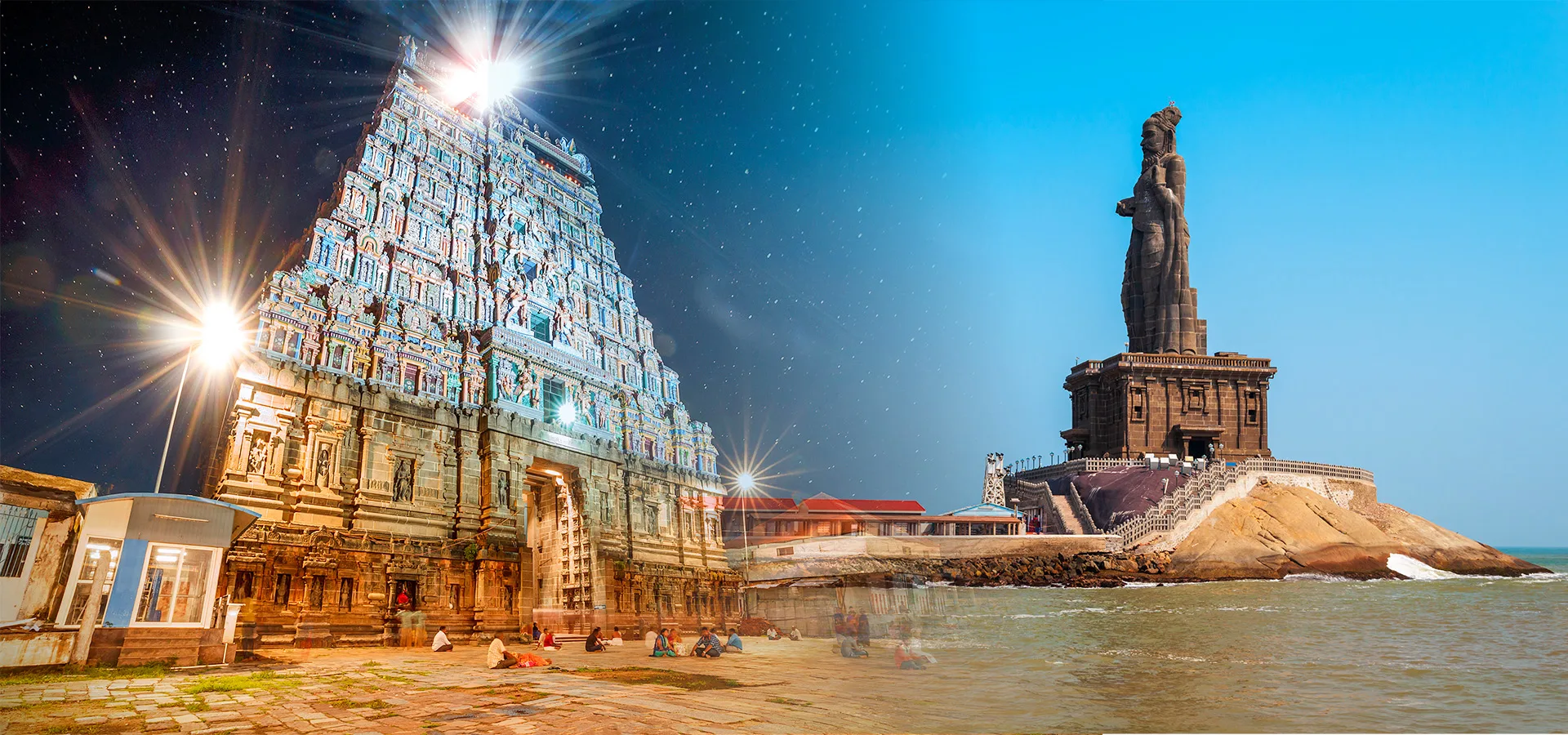
South India holds the longest continuously practised temple-building tradition on earth — soaring Dravidian gopurams encrusted with thousands of sculpted deities, ancient Chola masterpieces, and living pilgrimage sites that draw millions of devotees every year.
From the world's most visited religious shrine at Tirumala to the UNESCO shore temples of Mahabalipuram, from royal Mysore's illuminated palace to the misty hill stations of Ooty and Kodaikanal, from the silk city of Kanchipuram to Kanyakumari at the very tip of the subcontinent — this is a region of extraordinary depth, only lightly explored by most India itineraries.
This is a land where Bharatanatyam was born in temple courtyards, where filter coffee and dosa define an entire culinary culture, and where the journey itself — through cardamom hills, Chola river valleys, and granite Western Ghats plateaus — is as rewarding as any single destination.
Six reasons South India will steal your heart — and your itinerary
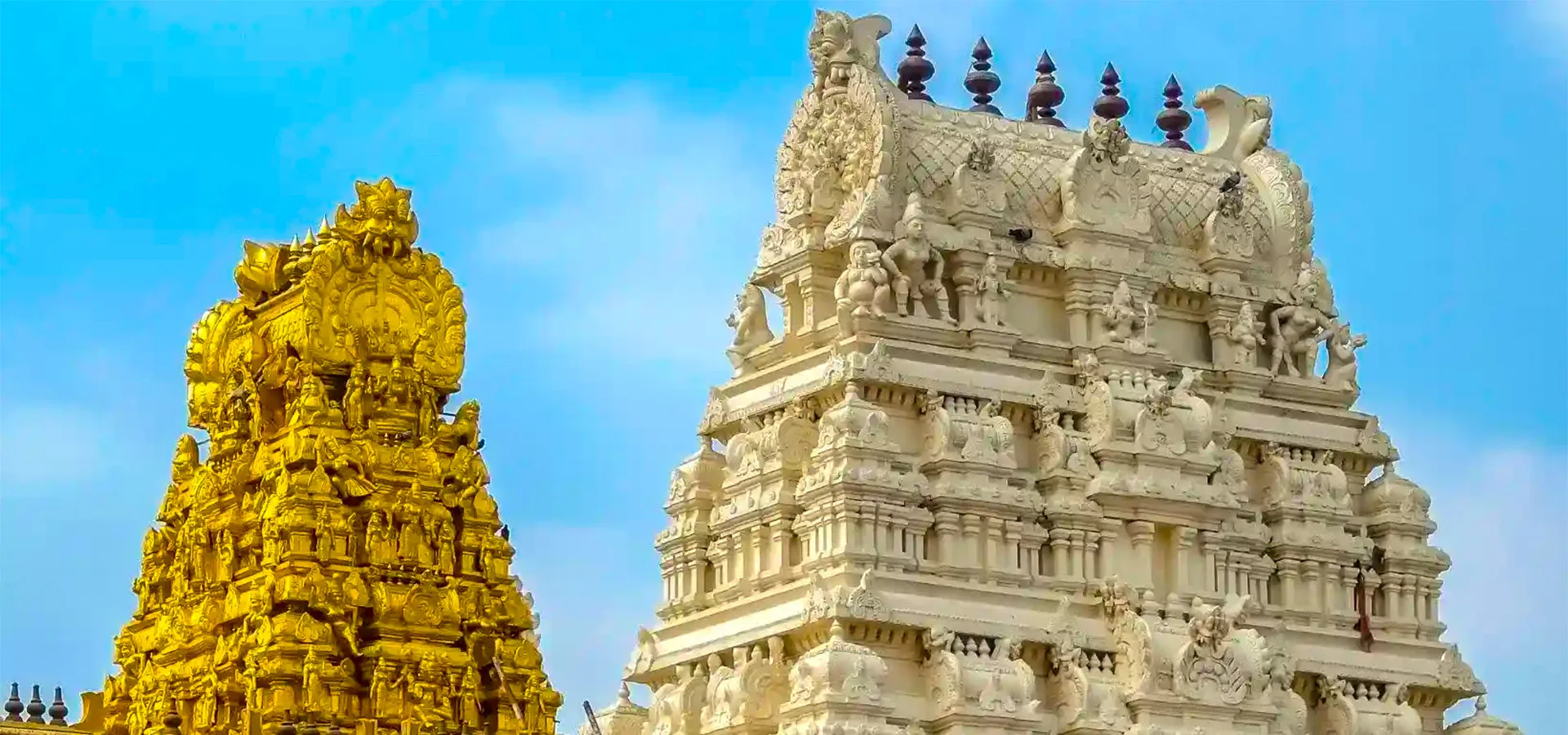
The world's most visited religious shrine, receiving over 50,000 pilgrims daily — a profoundly moving darshan high in the Tirumala Hills.
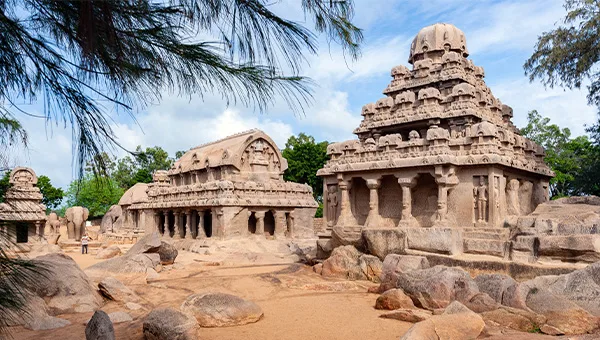
A UNESCO World Heritage 7th-century structural stone temple, standing on the Bay of Bengal alongside monolithic chariot shrines and the world's largest bas-relief.
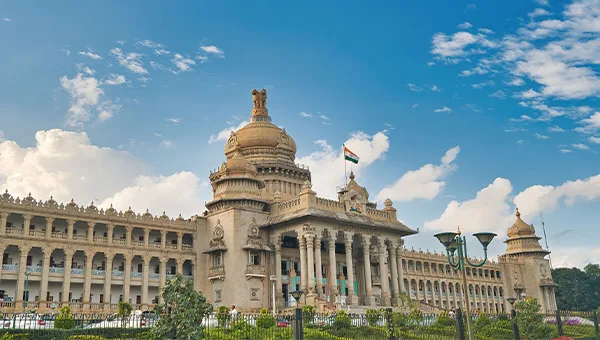
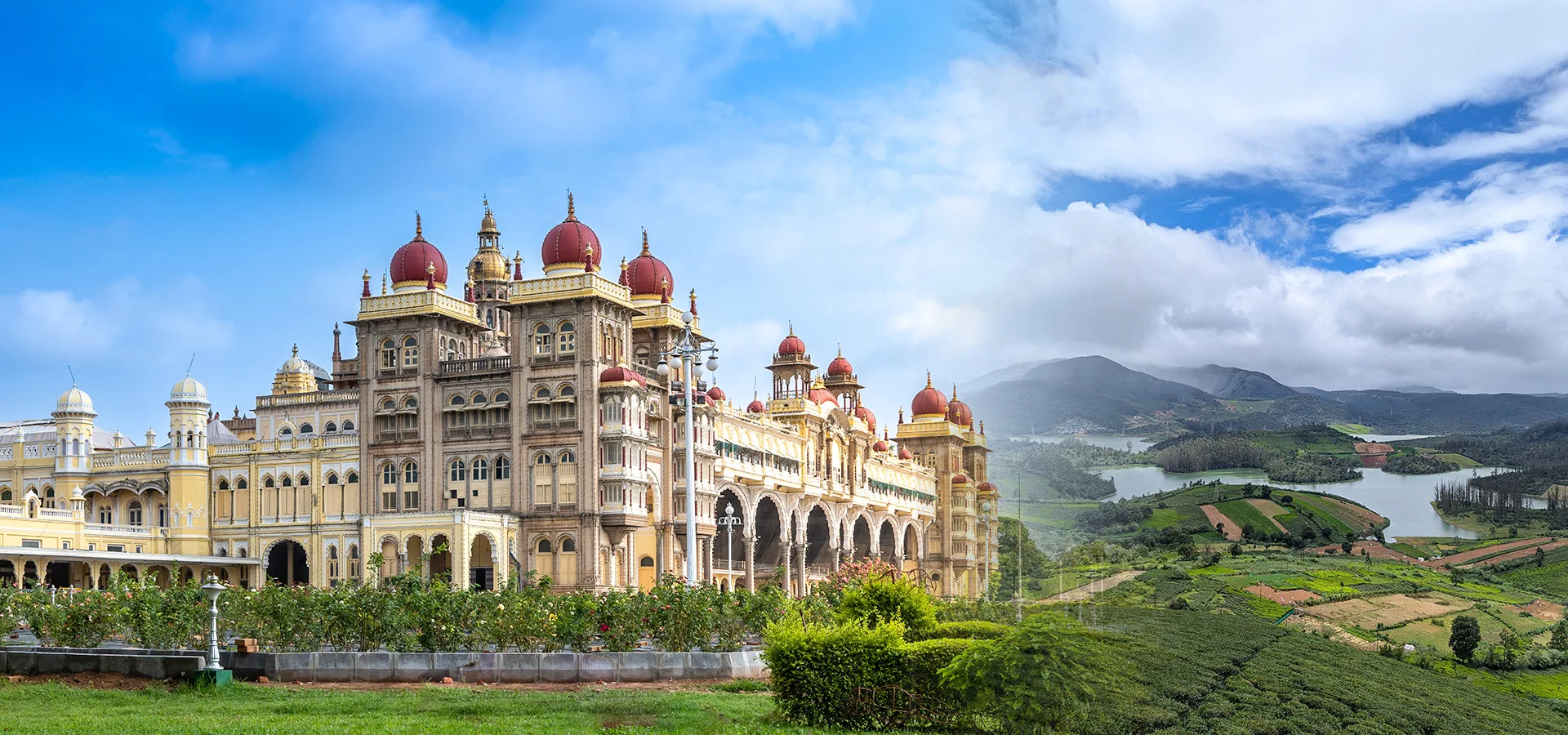
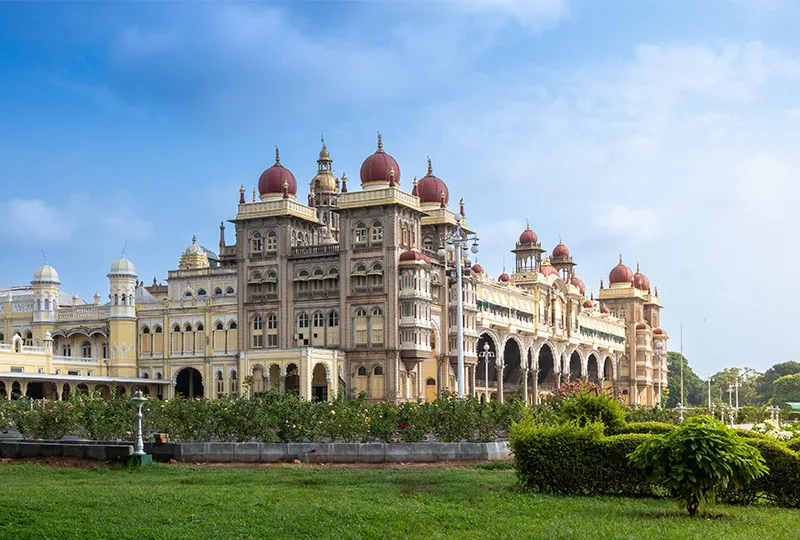
One of India's largest and most ornate royal palaces, illuminated by 97,000 light bulbs every Sunday evening — a spectacular blend of Indo-Saracenic styles.
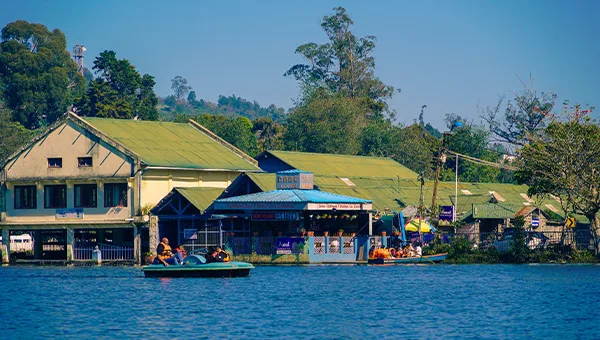
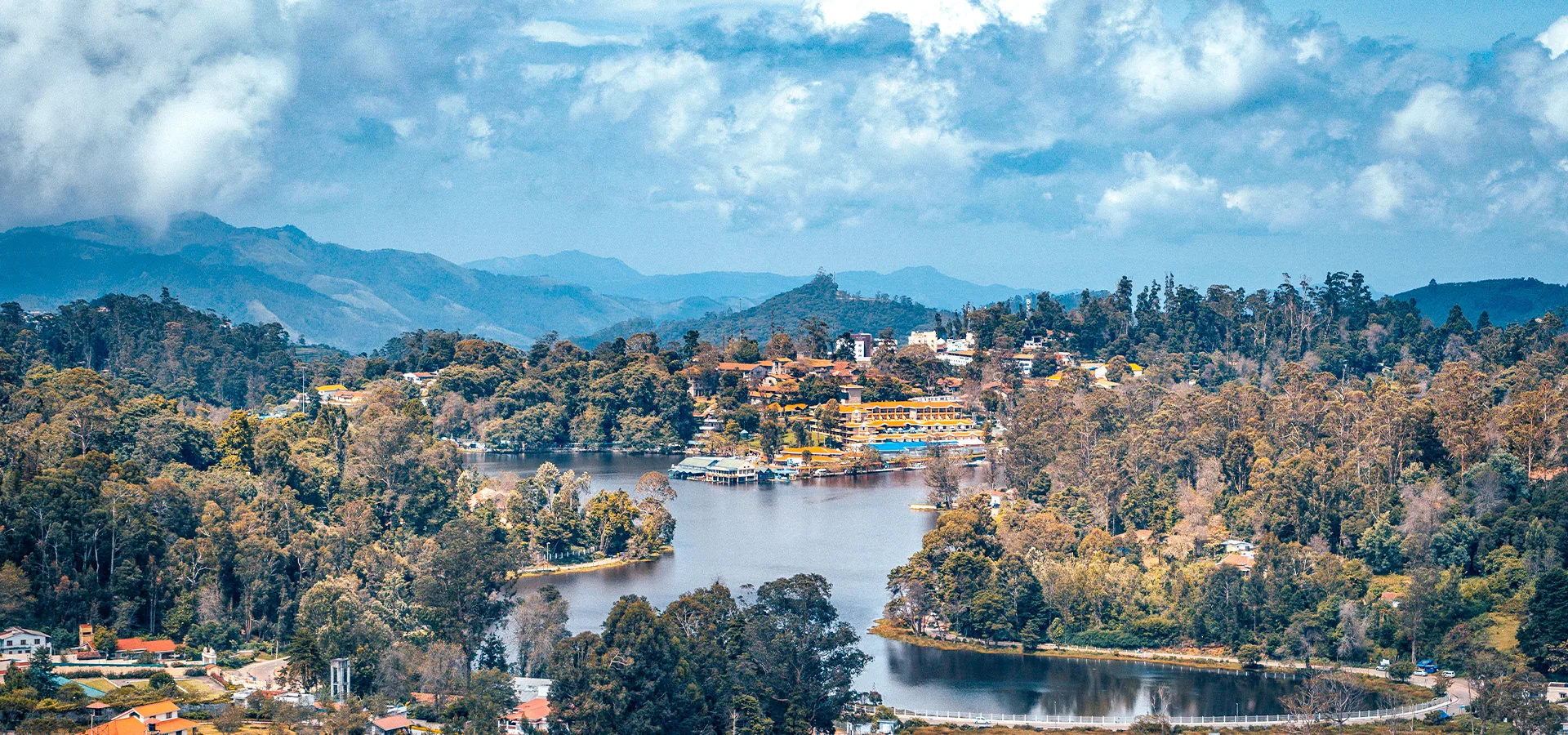
Two contrasting hill stations in the Nilgiri and Palani ranges — colonial tea country and dramatic cliff-edge granite plateau, both with extraordinary Western Ghats views.
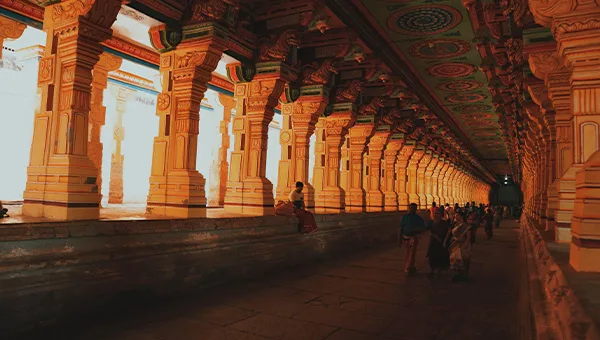
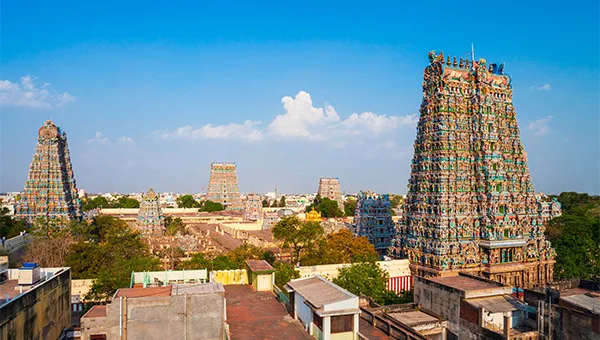
A living temple-city in Madurai with 14 gopurams and 33,000 sculptures, receiving 10,000-15,000 devotees daily for its centuries-old rituals.
The southernmost tip of mainland India, where the Arabian Sea, Bay of Bengal, and Indian Ocean meet beneath a sunrise unlike any other in the country.
South India's tropical climate makes timing genuinely important, especially on the plains.
Comfortable temperatures across Tamil Nadu and Karnataka's plains (25–32°C), with the post-monsoon landscape at its greenest. The classic season for temple circuits.
Hot on the plains (35-42°C) but the hill stations — Ooty, Kodaikanal, Munnar — remain genuinely pleasant and far less crowded than peak season.
The southwest monsoon brings heavy rain to the Western Ghats and hill stations; the plains stay drier but humid. Travel is still possible but less comfortable.
India's fourth-largest city is the gateway to Mahabalipuram's UNESCO shore temples and the silk-weaving heritage of Kanchipuram, one of Hinduism's seven sacred cities.
Tirupati's Venkateswara Temple, the world's most visited shrine, is a short journey south.
India's tech capital gives way, a short drive south, to Mysore — the most graceful royal city in South India, with its illuminated palace and silk-weaving tradition.
Bandipur National Park lies en route to the Nilgiri Hills, adding a wildlife dimension to this Karnataka circuit.
Ooty's tea-covered Nilgiri plateau and colonial railway contrast with Kodaikanal's dramatic granite cliffs and shola forests in the Palani Hills.
Together they offer two distinct, equally rewarding escapes from the Deccan heat.
The living Meenakshi Amman Temple anchors a deep south circuit extending to Rameswaram's sacred island temple and Kanyakumari's three-seas sunrise.
This is South India at its most devotional, ending at the very tip of the Indian subcontinent.