North East India is the country's most ethnically and ecologically diverse region — eight states wedged between Bhutan, Tibet, Myanmar, and Bangladesh, connected to the rest of India by a slender corridor and largely undiscovered by mainstream tourism.
From Darjeeling's UNESCO toy train and Tiger Hill sunrise to Sikkim's monasteries and the colour-shifting passes above Gangtok, from Meghalaya's living root bridges and the wettest place on earth to Kaziranga's one-horned rhinos and Arunachal Pradesh's remote Buddhist frontier — this is a region of extraordinary, layered difference.
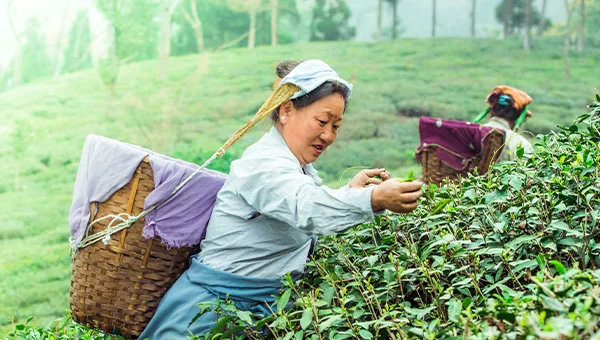
This is a land where over 200 distinct tribal communities maintain their own languages, festivals, and cuisines, where tea was first planted by the British and is now harvested by hand on terraced hillsides, and where the monsoon doesn't interrupt travel so much as define an entire way of life.
Six reasons North East India will steal your heart — and your itinerary
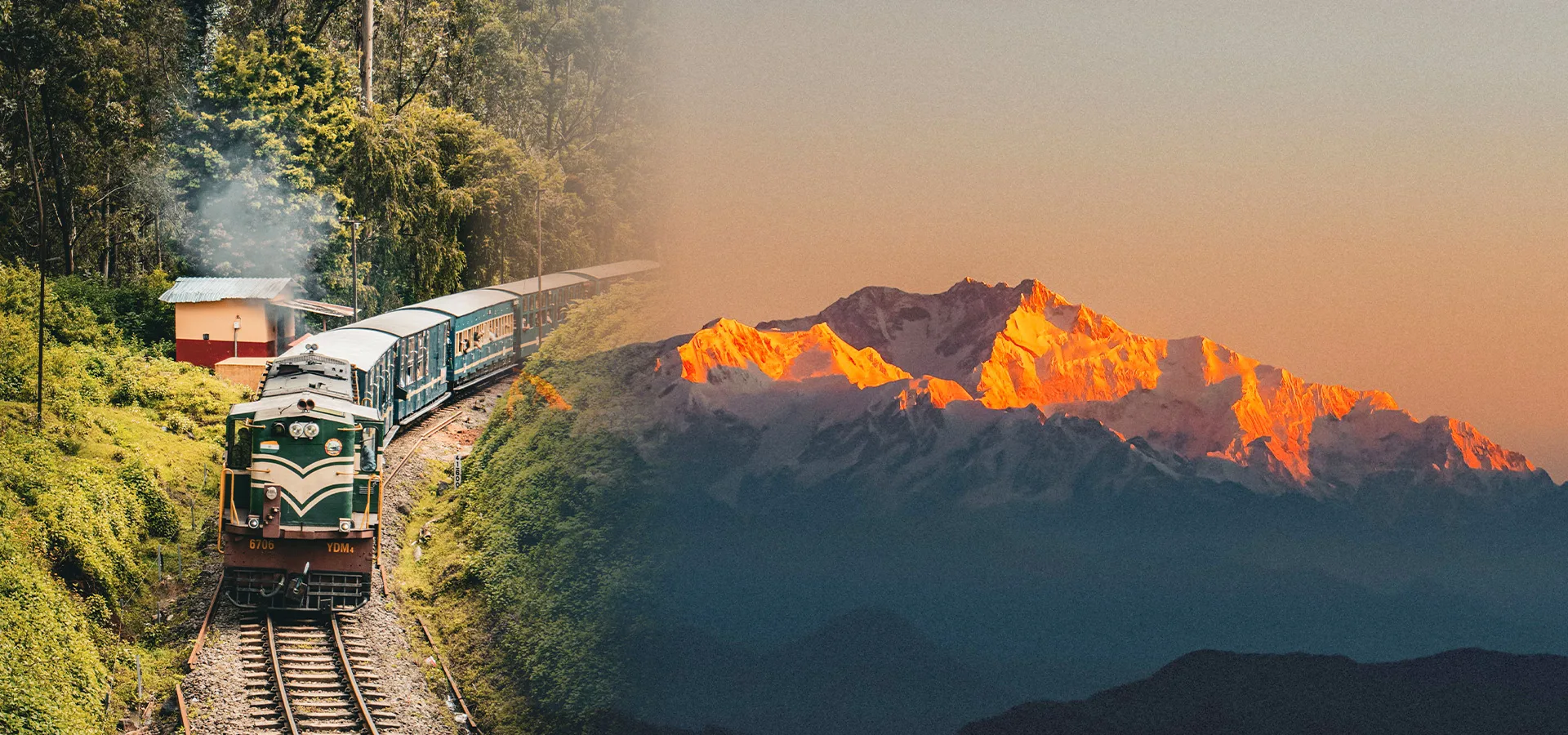
The UNESCO World Heritage Himalayan Railway climbs through 102 tunnels to the Queen of Hill Stations — and the Tiger Hill sunrise over Kangchenjunga is unmissable.
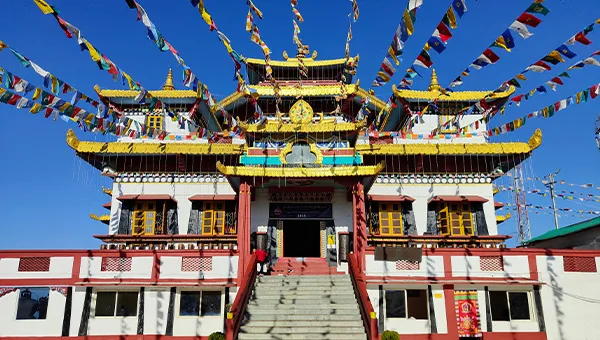
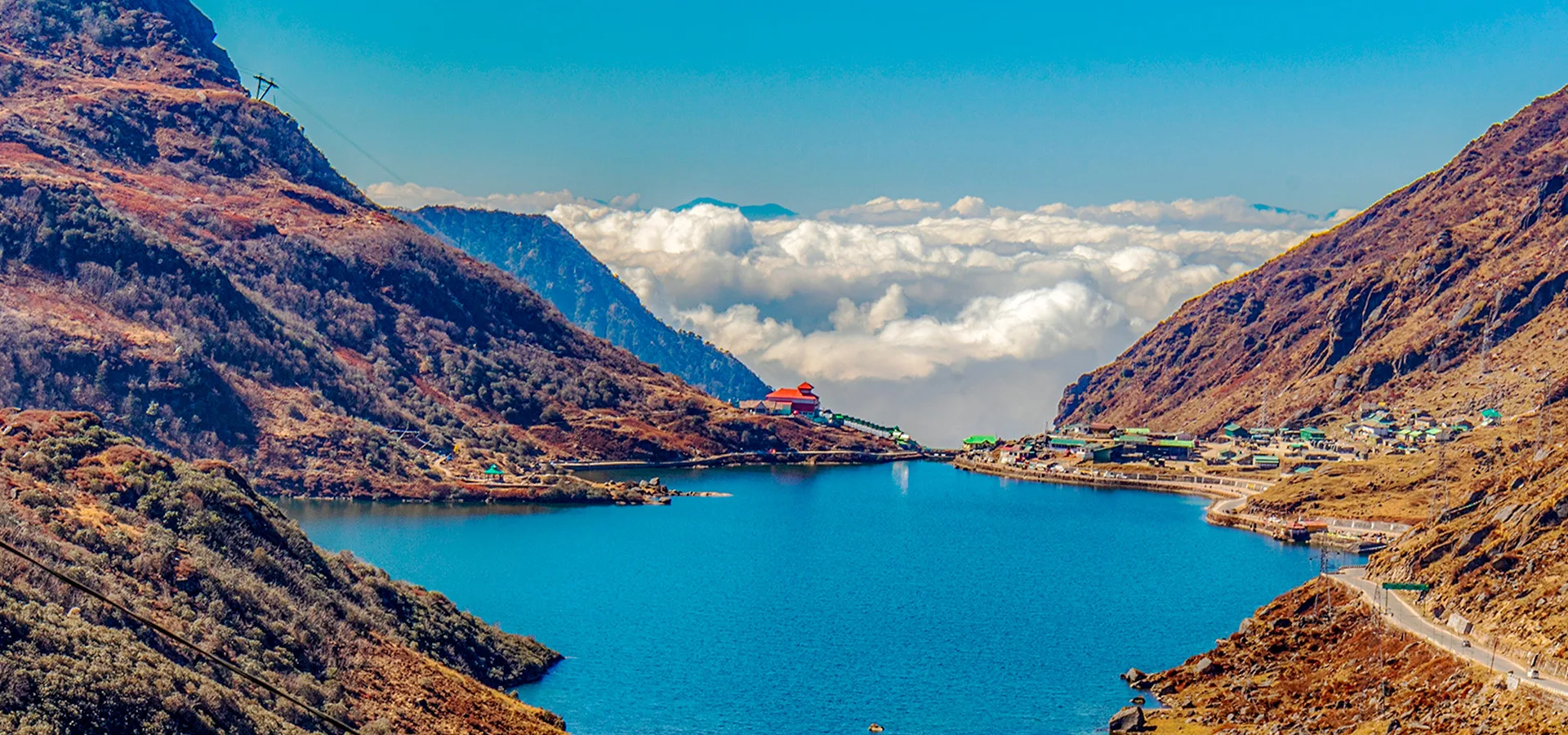
Rumtek, Pemayangtse, and the high alpine lake of Tsomgo — Tibetan Buddhism practised continuously since the 17th century against a backdrop of Kangchenjunga.
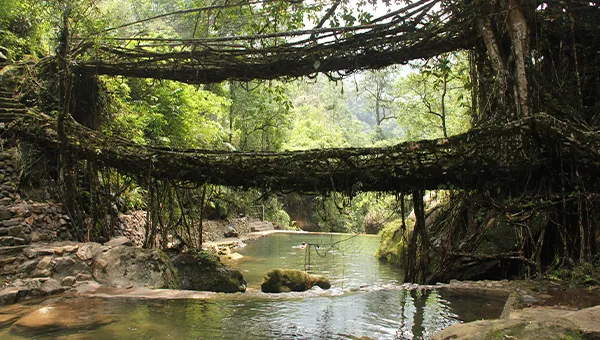
500-year-old bridges woven from living rubber tree roots near Cherrapunjee — one of the most extraordinary natural-engineering feats anywhere on earth.
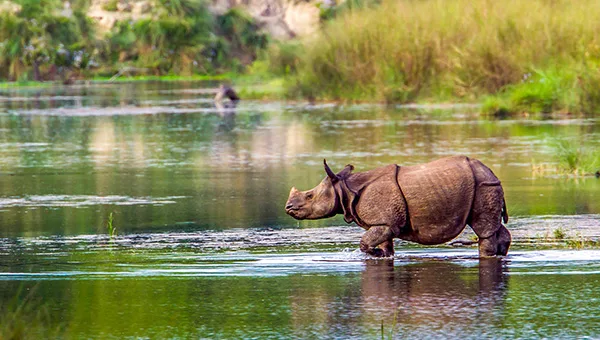
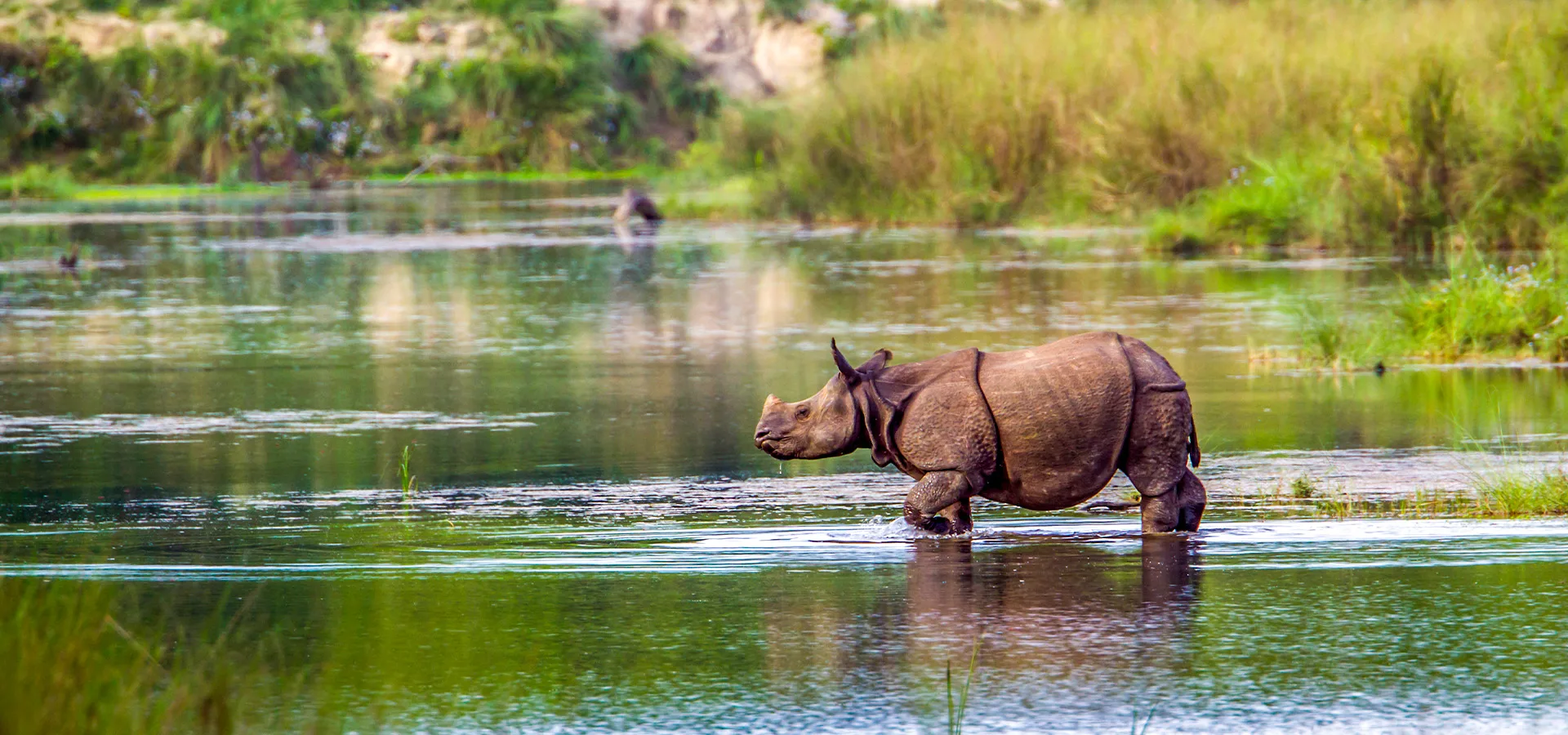
Over 2,400 one-horned rhinoceroses graze this UNESCO World Heritage floodplain — an elephant-back safari brings you within metres of these armoured giants.
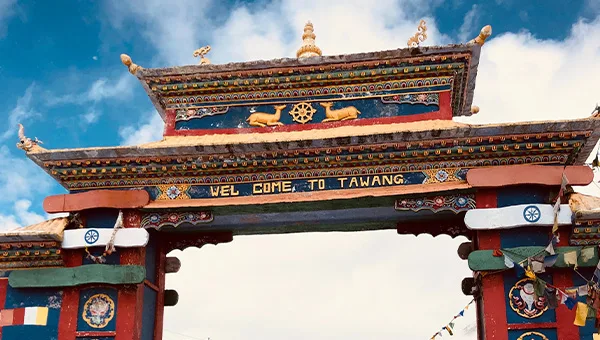
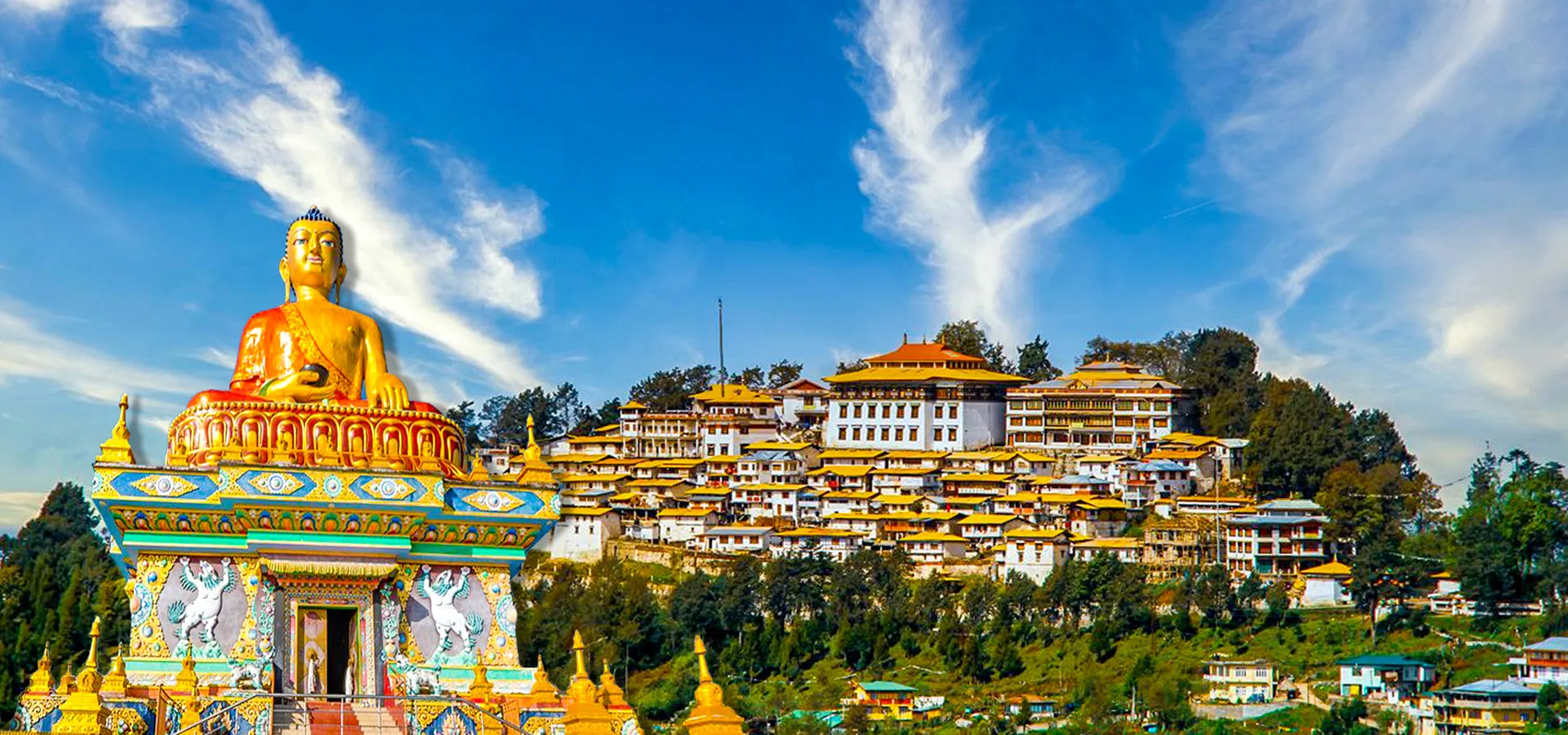
India's largest monastery, at 3,048m in remote Arunachal Pradesh, crossing the dramatic Sela Pass — a frontier journey few travellers ever make.
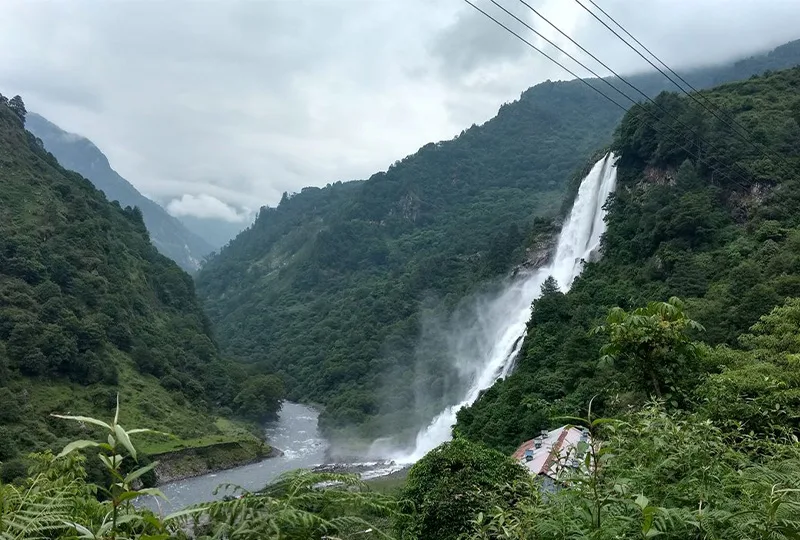
The wettest inhabited place on earth, where Nohkalikai Falls plunges 340 metres — India's tallest single-drop waterfall — even in the dry season.
A region of monsoon extremes — timing matters more here than almost anywhere else in India.
Crystal-clear mountain visibility, golden autumn colours, comfortable temperatures throughout Darjeeling, Sikkim, and Meghalaya.
Rhododendrons bloom across Sikkim's Yumthang Valley; warm and pleasant before the monsoon arrives. Excellent for Kaziranga wildlife too.
Extremely heavy rain, especially in Meghalaya. Roads and visibility are unreliable, though waterfalls are at their most spectacular.
The Queen of Hill Stations and the Buddhist kingdom of Sikkim together hold the finest concentration of Himalayan views, tea estates, and monasteries in the East.
Pelling's face-on Kangchenjunga view and Lachung's Yumthang Valley extend the experience deep into North Sikkim's alpine highlands.
Shillong's Scottish-hill-town charm gives way to Cherrapunjee's waterfalls and living root bridges — a landscape shaped entirely by the world's heaviest rainfall.
The trek to the Umshiang Double-Decker root bridge is one of India's most unique short adventures.
A UNESCO World Heritage floodplain along the Brahmaputra, home to the world's largest population of one-horned rhinoceroses alongside tigers and wild elephants.
A dawn elephant safari here is one of India's most reliable and intimate wildlife experiences.
India's most remote and least-visited Himalayan state, where the Monpa people maintain a living Buddhist culture at the very edge of the map.
Tawang Monastery — the largest in India — and the dramatic Sela Pass make this an unforgettable frontier journey.