Victorian Hill Capital, Valley of the Gods & The Rohtang Snowfields
Seven days through Himachal Pradesh's two most famous and contrasting hill stations — Shimla, the quintessentially colonial 'Queen of the Hills', and Manali, the adventure capital of north India at the head of the Kullu Valley.
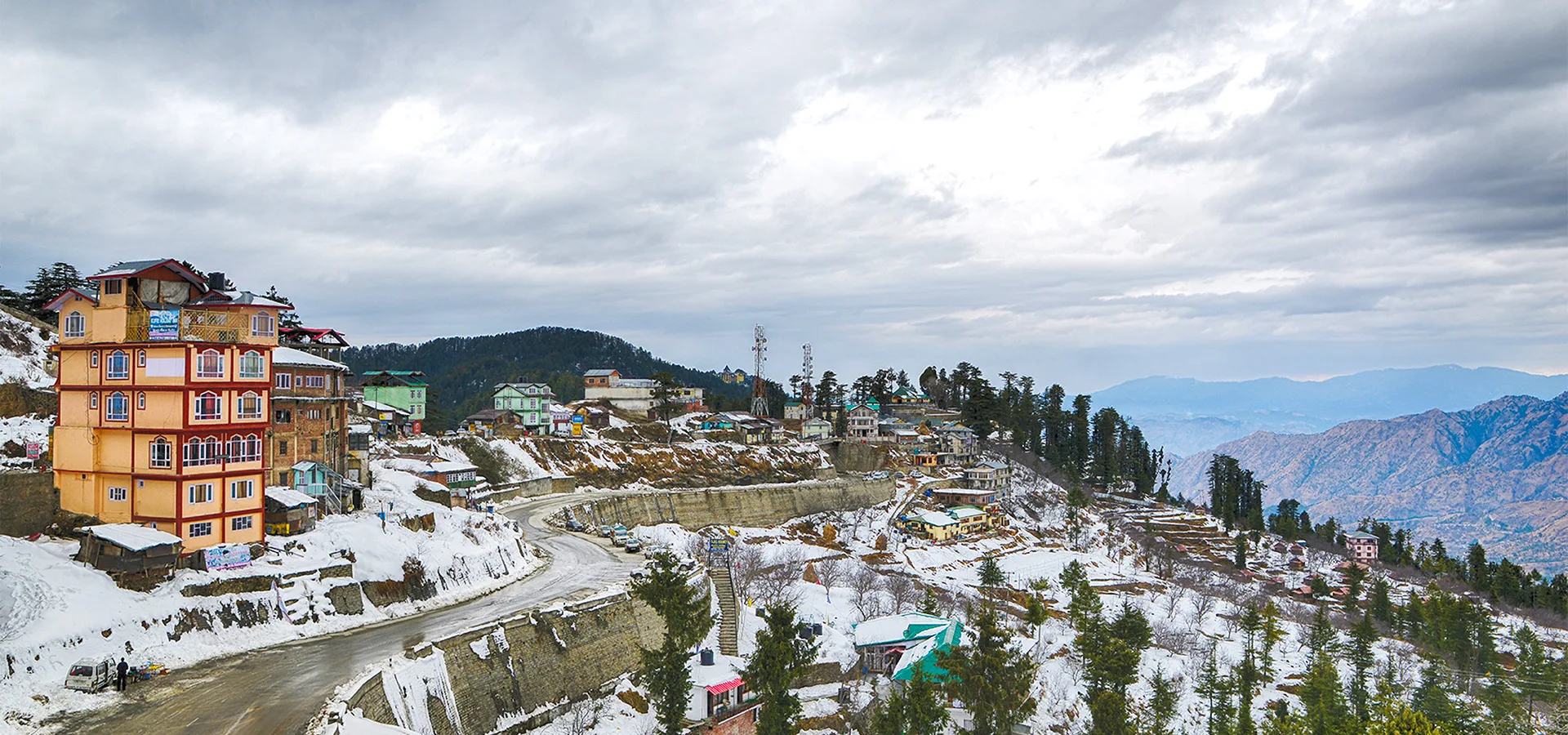
Shimla (2,206m) opens the tour with the Mall Road promenade, the Viceregal Lodge, Jakhu Temple, and Kufri. The drive from Shimla to Manali (via the scenic Jalori Pass route or the faster NH3) passes through the apple-growing heartland of Himachal Pradesh — in August–October the valley floor is orange and red with harvest.
Manali (2,050m) is surrounded by extraordinary landscape: the Beas River below, the Rohtang Pass (3,978m) above, and the Kullu Valley to the south, famous for its apple orchards, Dussehra festival, and the ancient Raghunath Temple at Kullu. The Hadimba Devi Temple (1553 CE) — built around a natural cave sacred to the goddess Hadimba — is the most important and beautiful temple in Manali, set in a cedar forest. Vashisht hot springs, the Old Manali village, and the adventure activities of Solang Valley (zorbing, skiing in winter, paragliding in summer) complete a tour of tremendous variety.
What makes this journey special
Your journey, unfolded
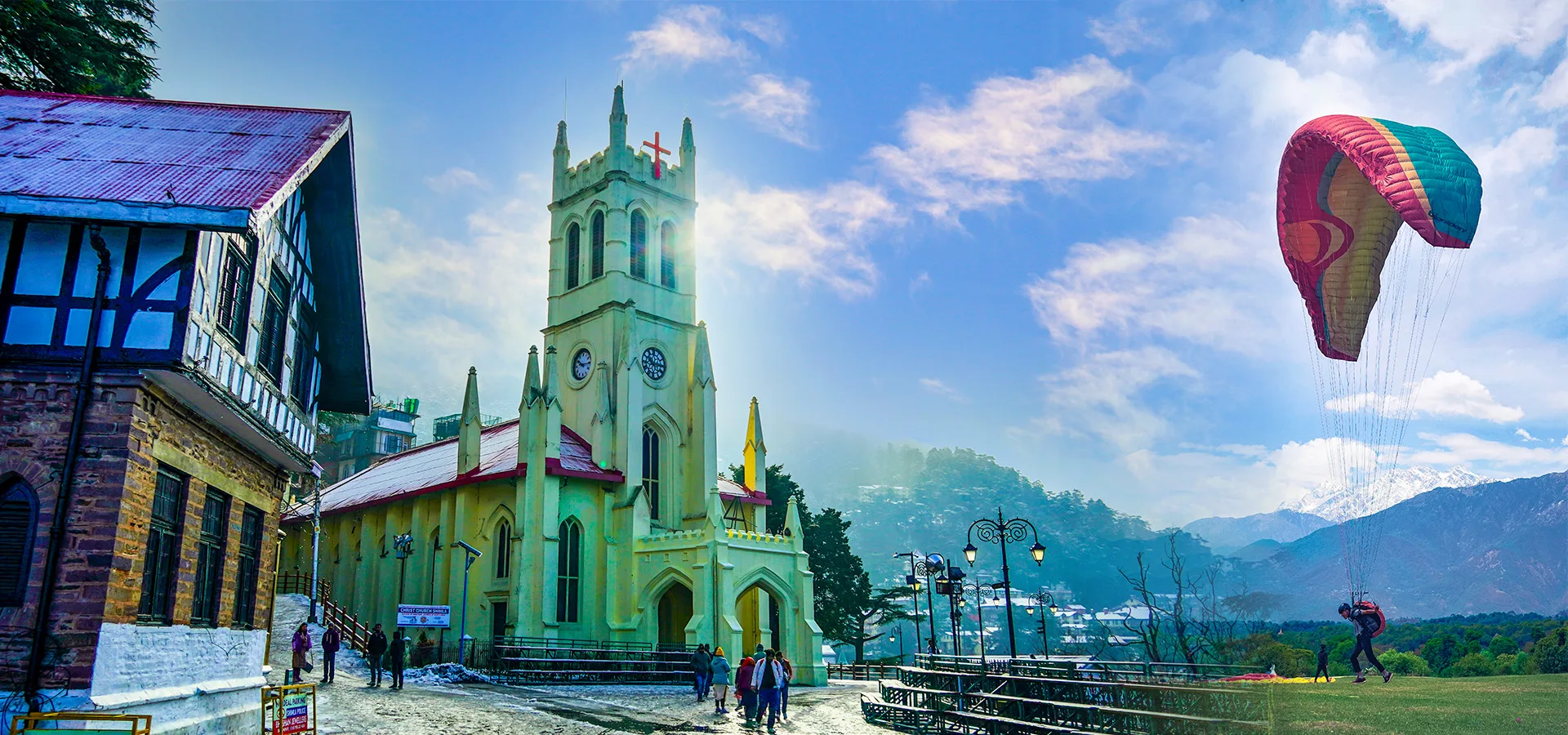
Depart Delhi early morning. Drive to Kalka (270 km, ~4.5 hrs) and board the UNESCO Kalka–Shimla Heritage Railway for the 5.5-hour scenic mountain train journey, arriving in Shimla by evening. Alternatively, drive the full way from Delhi to Shimla (370 km, ~8 hrs via Kalka). Check in to your heritage Shimla hotel. Evening walk on the Mall Road — the Ridge, Christ Church, and Scandal Point.
Full day in Shimla. Viceregal Lodge (1888, guided tour of the state rooms). Jakhu Hill (2,455m, ancient Hanuman temple, monkey colony, Himalayan panorama). Kufri (2,622m, snow point and Himalayan Wildlife Sanctuary). Afternoon: the Lower Bazaar and the Mall's bookshops, heritage cafés, and craft shops.
Drive from Shimla to Manali (250 km, ~7–8 hrs via NH3, or the more scenic Jalori Pass route adding 2 hrs). The NH3 follows the Beas River valley through Mandi and the lower Kullu Valley — apple orchards line both sides of the river in summer. En route stop at Kullu town: the Raghunath Temple (dedicated to Lord Vishnu, the presiding deity of the Kullu Dussehra festival) and a shawl weaving cooperative where Kullu shawls are made on traditional wooden looms.
Arrive Manali (2,050m) by evening. The Beas River rushes through the valley below and the snow peaks of the Rohtang range are visible above. Check in to your riverside resort or heritage hotel.
Full day exploring Manali and its immediate surroundings. Hadimba Devi Temple (1553 CE) — the most important temple in Manali, a four-storey pagoda of beautifully carved deodar cedar built around a natural cave sacred to the goddess Hadimba (wife of Bhima from the Mahabharata). The surrounding cedar forest is protected and the atmosphere is serene and ancient.
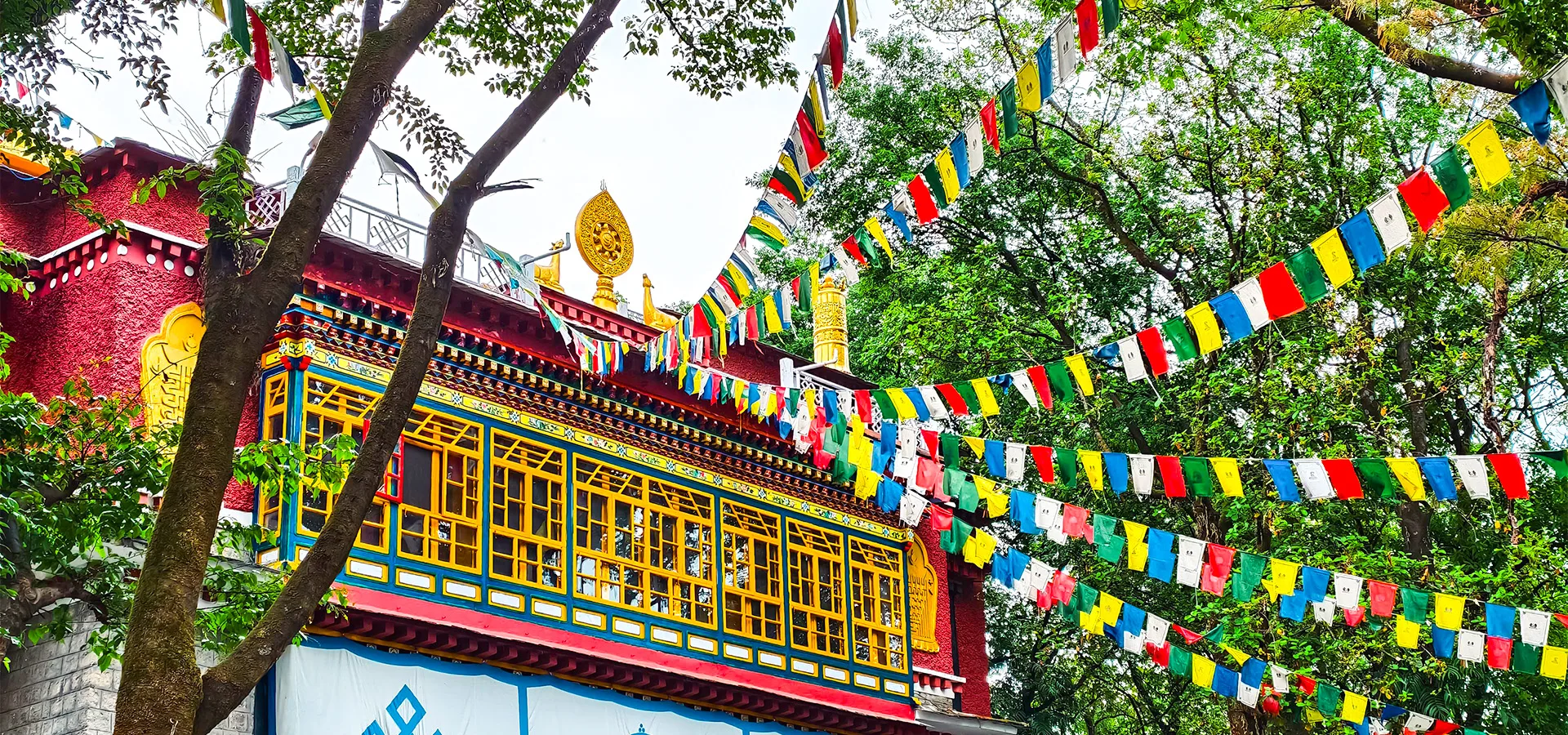
Old Manali village (2 km from the main town) — the original settlement, now a collection of stone houses, apple orchards, and guesthouses popular with long-term travellers. The Manu Temple (dedicated to the sage Manu, believed to be the place where he meditated after the great flood of Vedic mythology) sits above the village. Vashisht village — famous for its natural sulphur hot springs (the public baths have been running for centuries) and the Vashisht Rishi Temple. Tibetan Monastery in town for thangka and butter lamp offerings.
The most dramatic day of the tour. Drive north to Rohtang Pass (51 km, ~2.5 hrs, 3,978m) — the high mountain pass that separates the green Kullu Valley from the barren Lahoul Spiti plateau. At the pass, permanent snowfields allow snow activities year-round — sledging, snow biking, and walking on the glacier. The views northward into the Lahoul valley (and on clear days toward Spiti) are extraordinary.
On the return, stop at Solang Valley (14 km from Manali, 2,480m) — a wide alpine meadow used for paragliding, zorbing, and rope activities in summer; and skiing and snowboarding in winter. The backdrop of the Beas Kund glacier above and the Solang nala below makes this one of the finest adventure landscapes in north India. Note: Rohtang Pass closes on Tuesdays; if Day 5 falls on Tuesday, we schedule Solang first and Rohtang on Day 4/6.
A day exploring the wider Kullu Valley. Naggar (21 km south of Manali) — a village of great historical character, the former capital of the Kullu kingdom, with Naggar Castle (15th century, now a heritage hotel) and the Roerich Art Gallery (the family home of the Russian artist and philosopher Nicholas Roerich, who lived here from 1929–1947; the gallery contains his extraordinary Himalayan paintings). Chandrakhani Pass viewpoint above Naggar.
Optional excursion to the Parvati Valley (60 km south of Manali): Kasol — a riverside village on the Parvati River popular with Israeli backpackers and trekkers, and the gateway to the Kheerganga trek and the Manikaran hot springs (a sacred Sikh and Hindu shrine where the natural hot springs cook rice and daal). Return to Manali for the evening.
Final morning in Manali — a walk along the Beas River bank as the valley fills with morning light, and the snow peaks above reflect in the clear water. Drive back to Delhi (570 km, ~10 hrs via NH3 and Chandigarh). Tour concludes at Delhi.
Inclusions & Exclusions
Included ✓
- ✓ 6 nights accommodation in handpicked heritage hotels and resorts
- ✓ Daily breakfast throughout
- ✓ Private vehicle throughout
- ✓ Kalka–Shimla UNESCO Toy Train tickets (if selected on Day 1)
- ✓ Viceregal Lodge guided tour entry
- ✓ Hadimba Temple area entry
- ✓ Nicholas Roerich Art Gallery entry (Naggar)
- ✓ Rohtang Pass permit (arranged by us)
- ✓ All applicable taxes
Not Included ✗
- ✗ Flights / trains to / from Delhi
- ✗ Travel insurance
- ✗ Lunches & dinners
- ✗ Snow activities at Rohtang (sledging, snow bikes — payable locally)
- ✗ Adventure activities at Solang (paragliding, zorbing — payable locally)
- ✗ Kullu shawl purchases
- ✗ Personal expenses & gratuities
Your questions, answered
The Himachal Pradesh government restricts the number of vehicles entering Rohtang Pass daily to protect the environment. All vehicles must hold an Online Pollution Permit (OPP) obtainable through the official HP Tourism Portal or HPPCB website. We arrange the Rohtang permit as part of your tour booking — no action required on your part. Note that Rohtang closes every Tuesday for maintenance (an alternative Solang Valley programme is arranged on Tuesdays). The pass is typically open May–November. In winter, the Atal Tunnel (completed 2020, runs beneath Rohtang at a lower altitude) gives year-round access to the Lahoul Spiti valley.
The Jalori Pass (3,120m) route from Shimla to Manali via Narkanda, Rampur, and the Sutlej Valley is significantly more scenic than the direct NH3 route — it crosses the Jalori Pass with Himalayan views, passes through the ancient Rampur trading town, and follows the Sutlej River gorge through dramatic landscape. It adds about 2–3 hours to the drive but is recommended if you have a full day and prefer a scenic road. We offer both options and discuss with you based on your preferences and the season.
March–June is ideal — apple blossom, spring flowers, comfortable temperatures (15–25°C in Shimla, cooler at Manali). September–November: post-monsoon clarity, crisp air, and golden apple harvest. December–February: heavy snow in Manali and Rohtang — perfect for winter sports. Avoid July–August (monsoon): roads can be disrupted and views are often obscured by cloud. Shimla is pleasant year-round; Manali and Rohtang are best avoided in monsoon.
Absolutely — every tour is fully private. We can adjust duration, add Spiti Valley, Kinnaur, Kasol, or connect to Leh-Ladakh via the Manali-Leh highway. Enquire at no obligation.
The most convenient options from Delhi: by AC Volvo bus (8–10 hrs overnight to Shimla or Manali), by private vehicle (the most comfortable option, included in our tours), or by train to Kalka followed by the UNESCO Heritage Toy Train to Shimla (5.5 hrs, a wonderful experience). Our tours include private vehicle transfers throughout.
Rohtang Pass (3,978m) is typically open May–November. It closes due to snowfall (usually November) and doesn't reopen until May/June. It also closes on Tuesdays for environmental reasons, and the Himachal Pradesh government limits the number of vehicles per day (permits required — we arrange these). An alternative when Rohtang is closed is the Atal Tunnel (completed 2020) which connects Manali to the Lahaul valley year-round at any weather.
60+ days: full refund minus admin fee. 30–59 days: 75% refund. 15–29 days: 50%. Under 15 days: no refund. Travel insurance strongly recommended.