West Bengal packs an extraordinary range into a single state — Darjeeling, the 'Queen of the Hills', where terraced tea gardens climb a Himalayan ridge beneath Kanchenjunga, the world's third-highest peak, and the Sundarbans, the world's largest tidal mangrove forest and the only tiger reserve in India explored entirely by boat.
Kolkata, the state capital, carries a genuine claim to being India's cultural and intellectual capital, while Bishnupur's terracotta temple town, built by the Malla dynasty across seven centuries, holds some of Eastern India's finest surviving temple artwork.
Gangasagar's sacred confluence draws the second-largest religious gathering in India after the Kumbh Mela, the state's short Bay of Bengal coastline at Digha and Mandarmani offers an easy, low-logistics beach escape, and Jhargram's dense sal forests introduce a genuinely different West Bengal, shaped by Santhal and Bhumij tribal culture.
Seven reasons West Bengal rewards travellers who go beyond a Kolkata layover
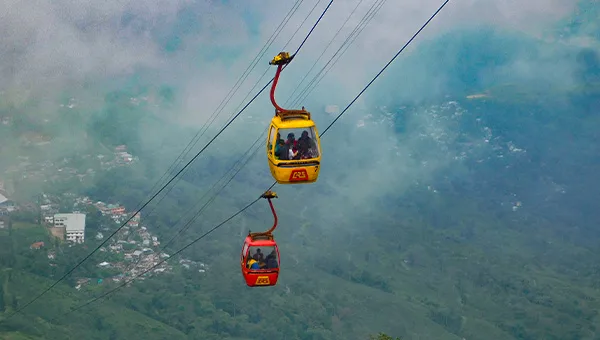
Terraced tea estates on a Himalayan ridge, and a pre-dawn climb to Tiger Hill for sunrise over Kanchenjunga, the world's third-highest peak.
The 'Toy Train', running since 1881, crawls through Darjeeling's upper streets and the spiral Batasia Loop — a genuine UNESCO World Heritage line, not a novelty ride.
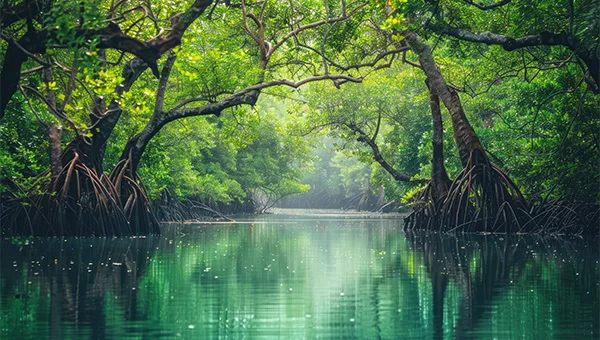
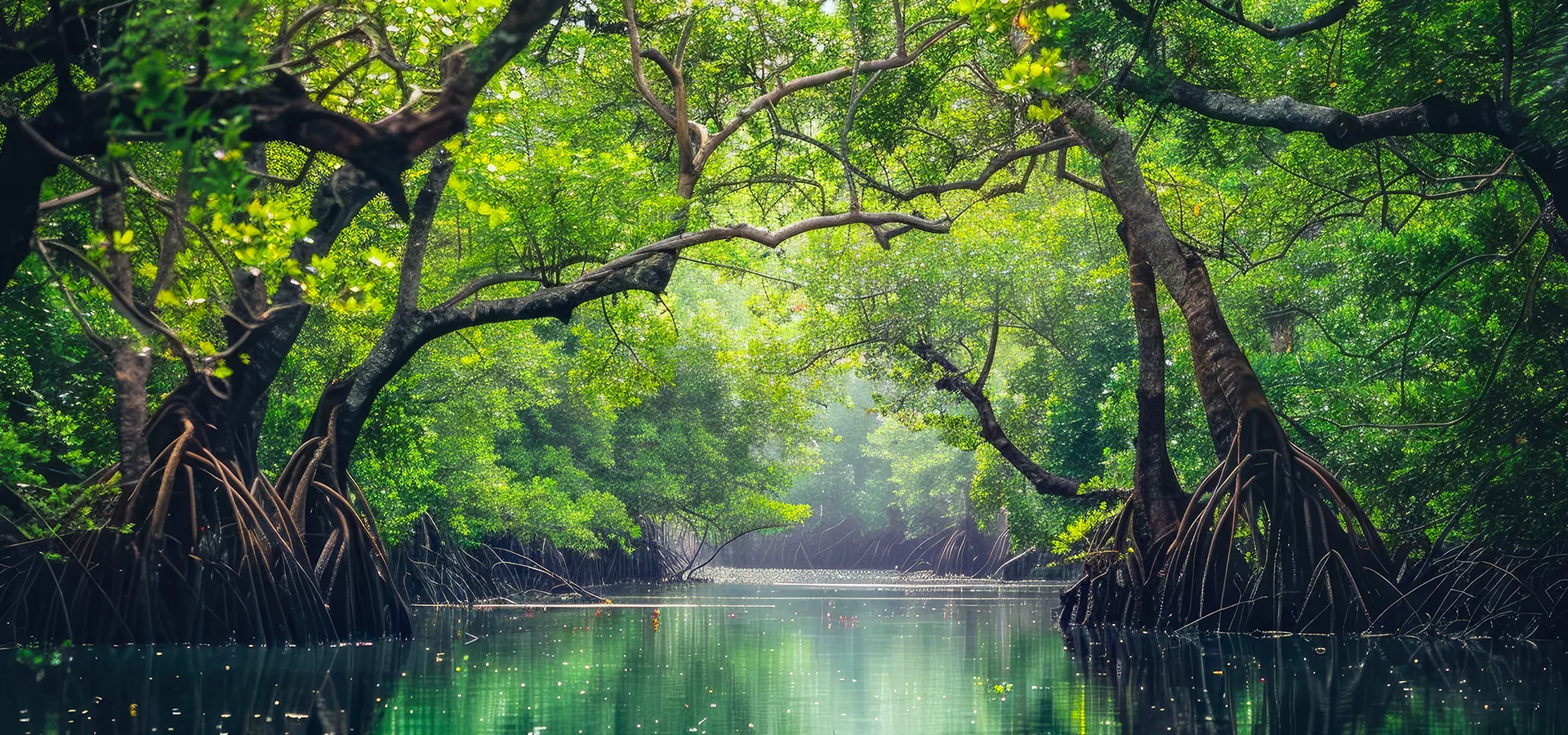
The world's largest tidal mangrove forest and the only Indian tiger reserve explored entirely by boat — a UNESCO World Heritage Site home to the swimming Royal Bengal Tiger.
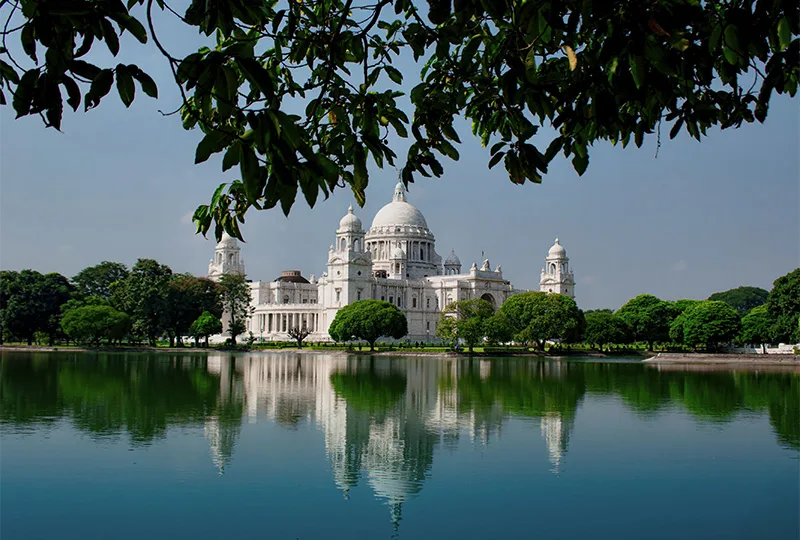
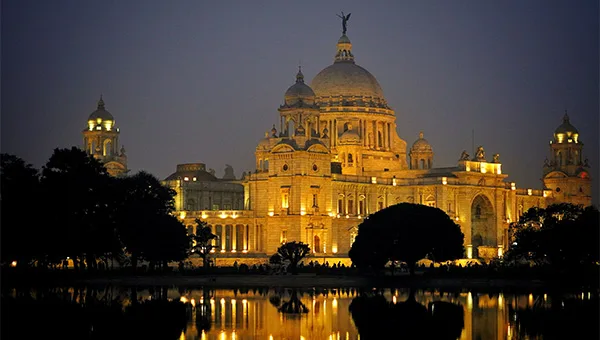
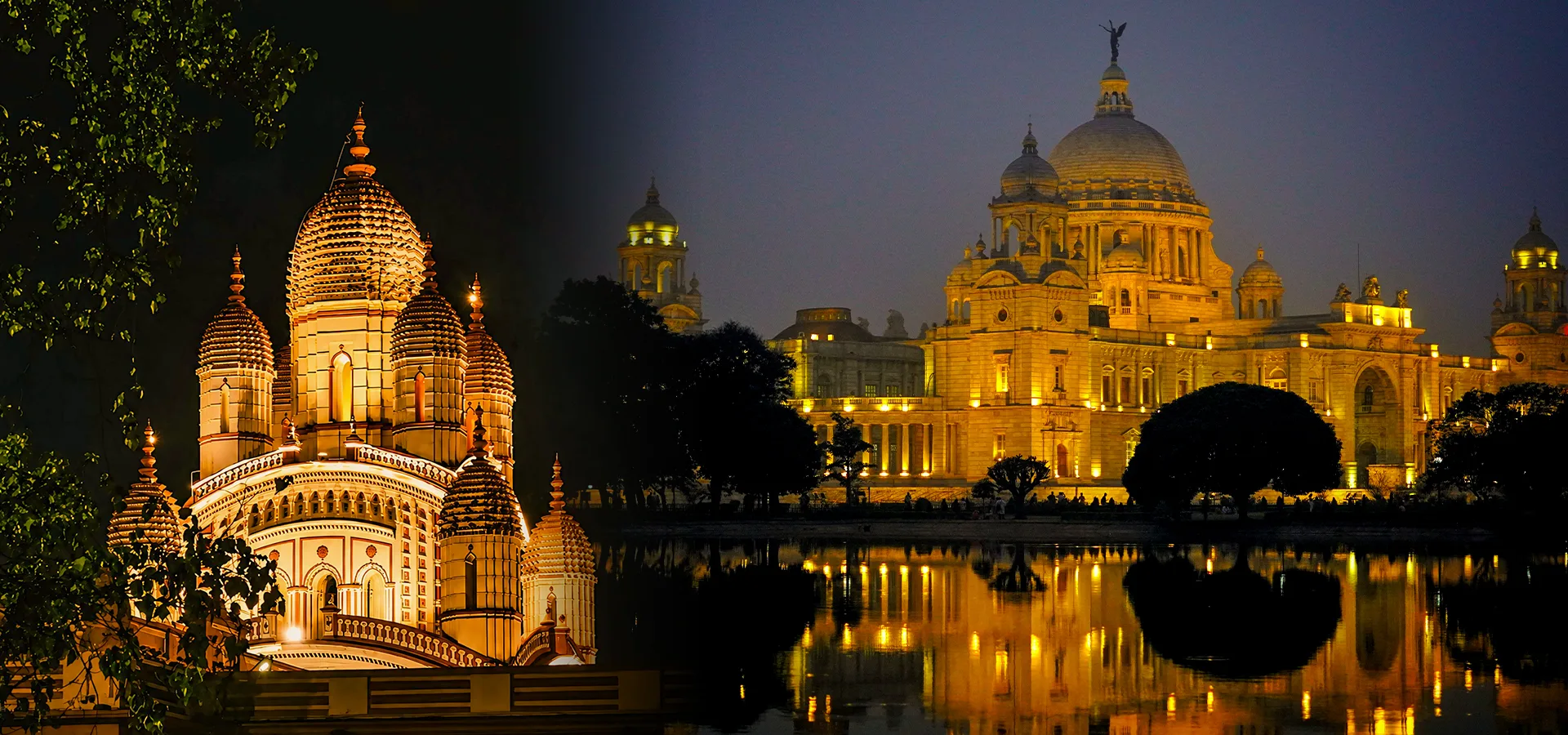
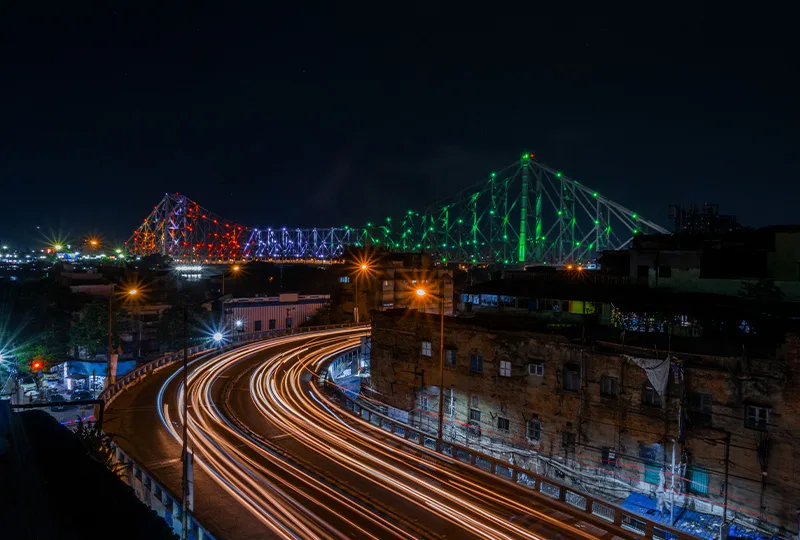
The Victoria Memorial and Howrah Bridge — the longest cable-stayed bridge in India — anchor a city with a genuine claim to being India's cultural capital.
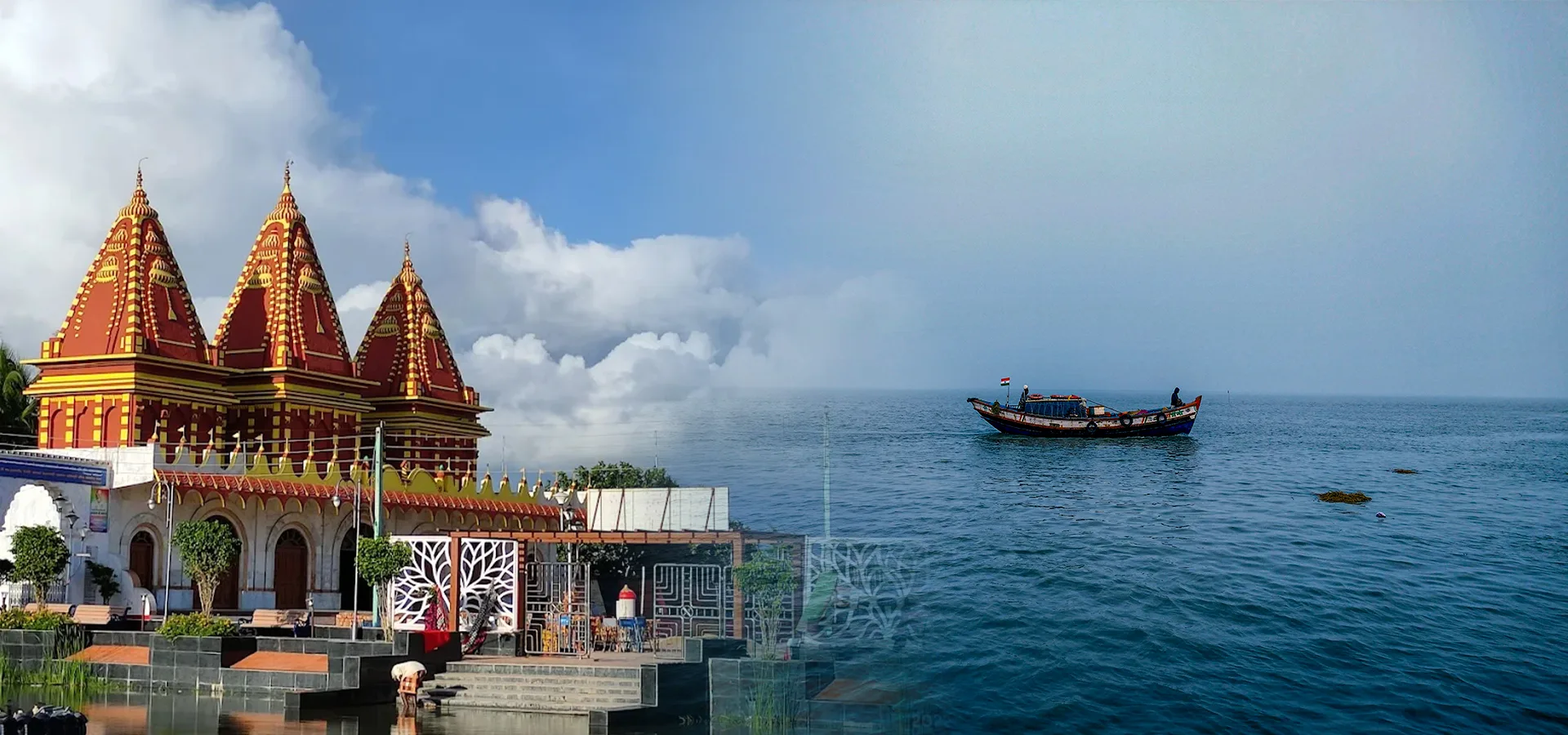
Where the Ganges meets the Bay of Bengal, and host to the Gangasagar Mela — India's second-largest religious gathering after the Kumbh Mela.
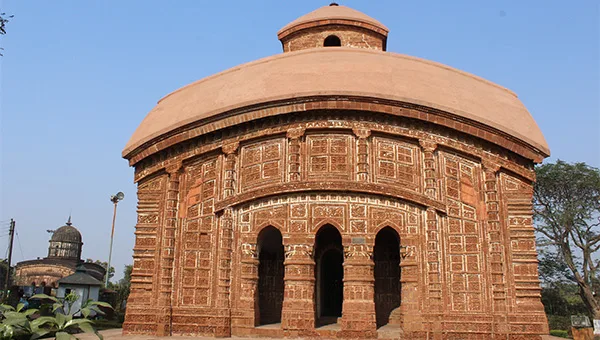
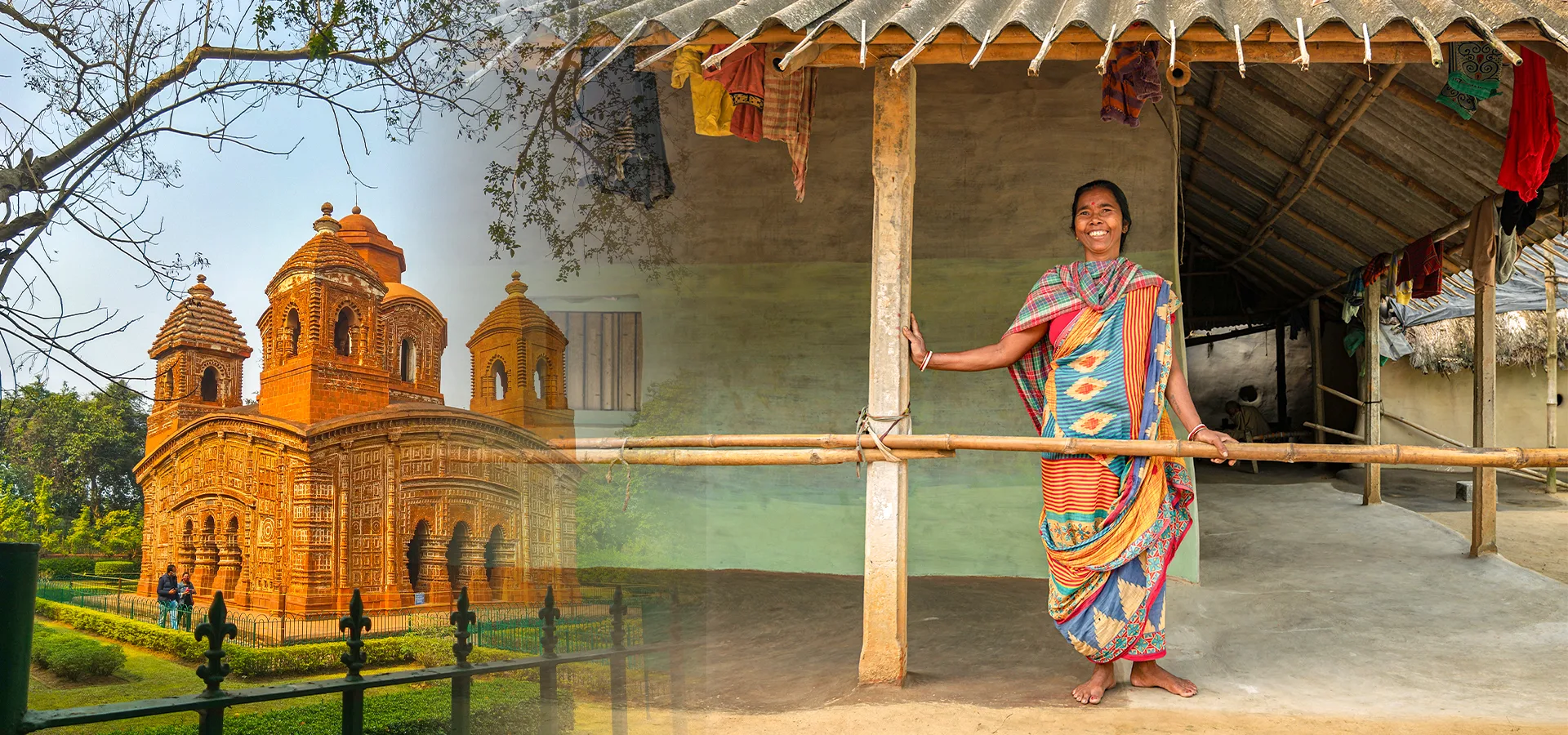
An entire temple town built of fired clay by the Malla dynasty, its panels depicting the Ramayana and Mahabharata in extraordinary detail.
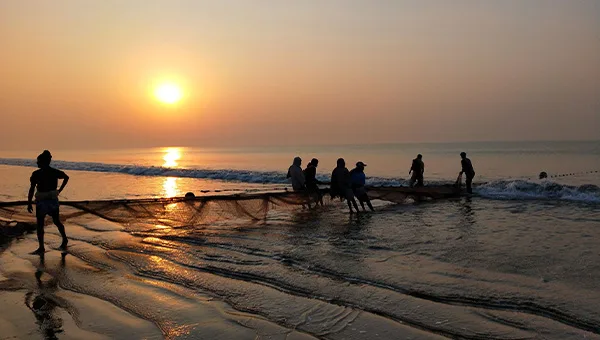
A short, varied stretch of Bay of Bengal coast, including Mandarmani's 13km drive-in beach, argued to be the longest in India.
West Bengal's Gangetic plain, coastal, and Himalayan climates each have their own rhythm, but October to March remains the clear window for comfortable travel across nearly the whole state.
Comfortable, dry conditions across Kolkata, the Sundarbans, Bishnupur, and the coast. October-November also offers Darjeeling's clearest Himalayan views, with Kanchenjunga visible on roughly 8 mornings out of 10.
The Gangasagar Mela draws millions of pilgrims to Sagar Island around mid-January — an extraordinary spectacle, though accommodation books out well in advance. Darjeeling turns cold with occasional snow in this window.
Heavy monsoon rain affects Sundarbans safaris and coastal visibility, brings real landslide risk to the Darjeeling hill roads, and lifts Kolkata's humidity significantly — though Durga Puja in September-October remains a compelling exception worth planning around.
A Himalayan hill station at roughly 2,045m, developed by the British in the 1840s and famous today for three things above all — premium single-estate tea, the UNESCO-listed Darjeeling Himalayan Railway, and its views of Kanchenjunga, the world's third-highest peak.
The pre-dawn climb to Tiger Hill for sunrise over the Himalaya, the 'Toy Train' running since 1881, and terraced tea estates cascading down the ridge give Darjeeling a character found nowhere else in West Bengal.
West Bengal's capital carries its colonial history more visibly than almost any other Indian metropolis, with the Victoria Memorial's white marble dome and Howrah Bridge anchoring its skyline.
Dakshineswar Kali Temple and Belur Math anchor the city's spiritual life, while College Street's secondhand bookshops and Park Street's restaurant scene give Kolkata a genuine intellectual and culinary depth.
A UNESCO World Heritage tiger reserve explored entirely by boat, its narrow tidal creeks winding through dense mangrove that acts as a natural cyclone barrier for the entire delta.
The Royal Bengal Tiger here is a genuinely different animal — a strong swimmer adapted to this salt-water mangrove environment, found nowhere else on earth.
The former capital of the Malla dynasty's kingdom of Mallabhum, where rulers built an entire temple town out of terracotta between the 10th and 18th centuries.
The Jorbangla and Shyam Rai Temples' intricate clay reliefs, alongside the town's Baluchari saree weaving tradition, make Bishnupur one of Eastern India's most distinctive heritage stops.
West Bengal's most popular seaside resort town, and the gateway to a short but genuinely varied stretch of Bay of Bengal coastline.
Mandarmani's 13km drive-in beach and Tajpur's secluded red-soil dunes offer two very different coastal paces within easy reach of Digha itself.