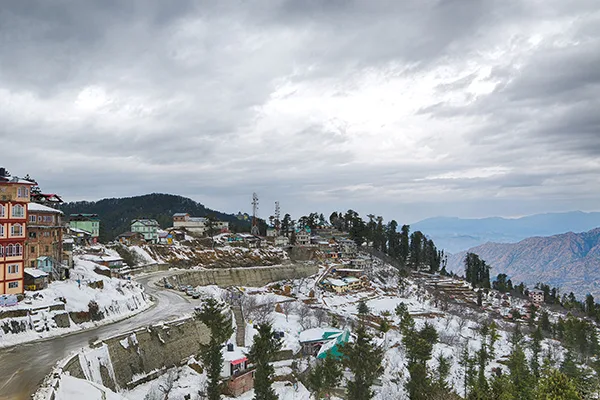
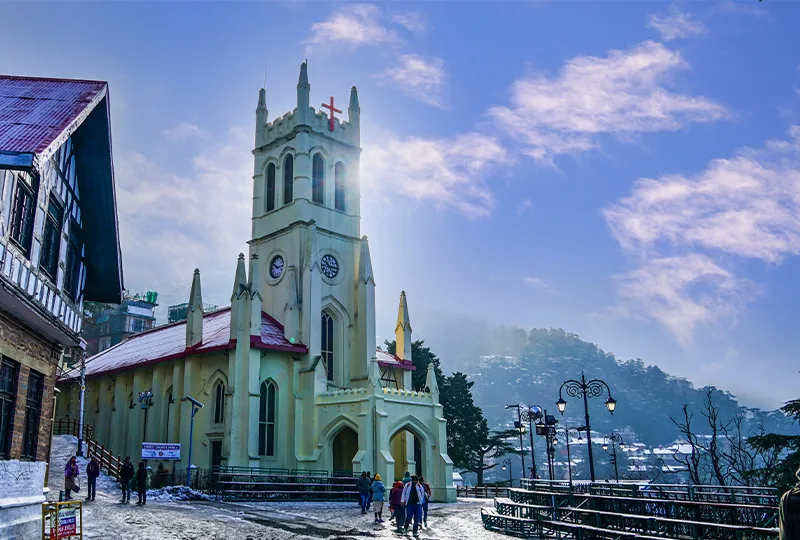
Himachal Pradesh offers India's most accessible Himalayan escape — Shimla's colonial-era architecture and narrow-gauge toy train heritage still recall its days as the summer capital of British India, its Mall Road and Ridge unchanged in spirit for over a century.
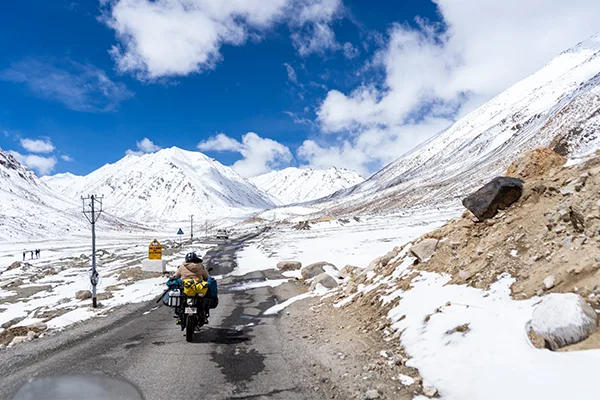
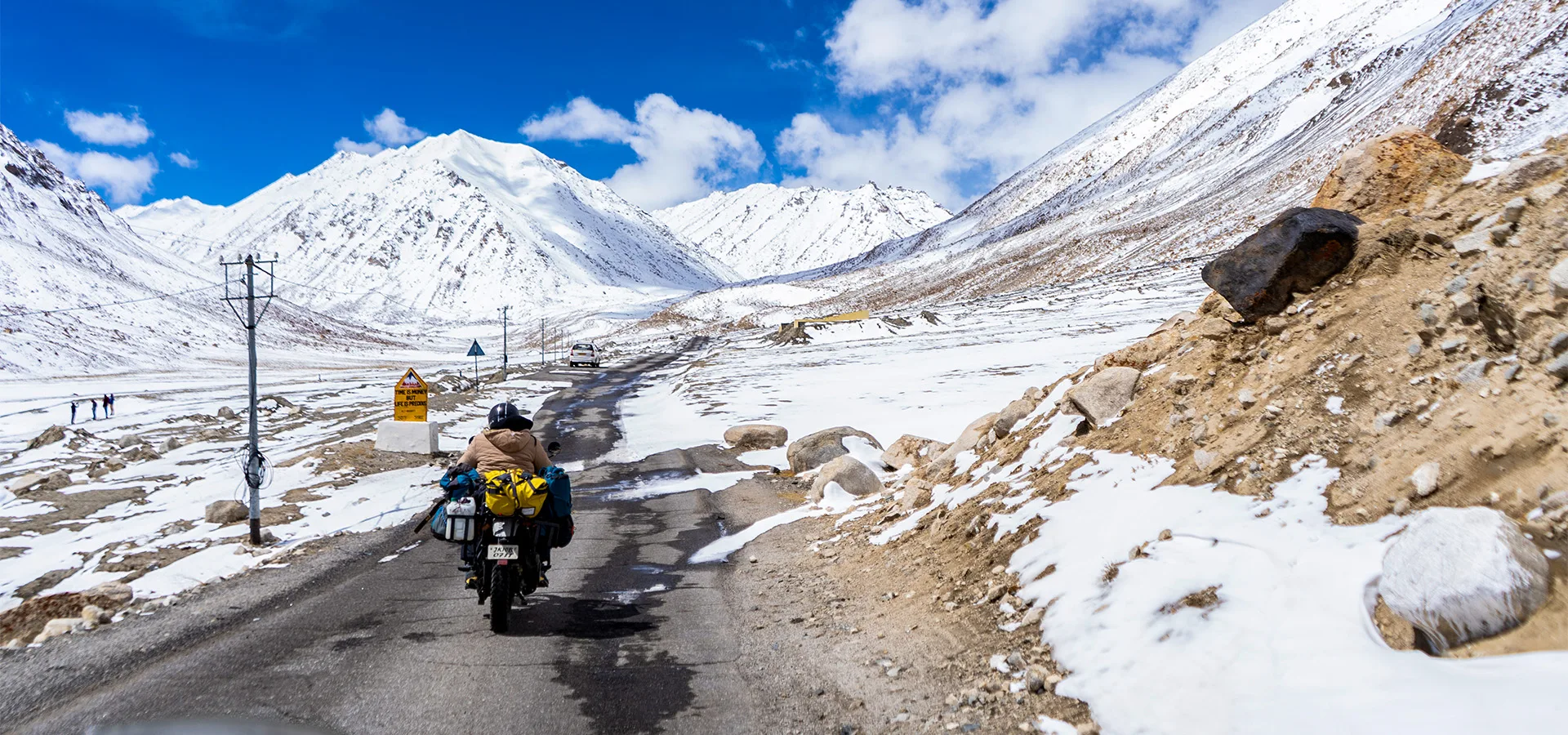
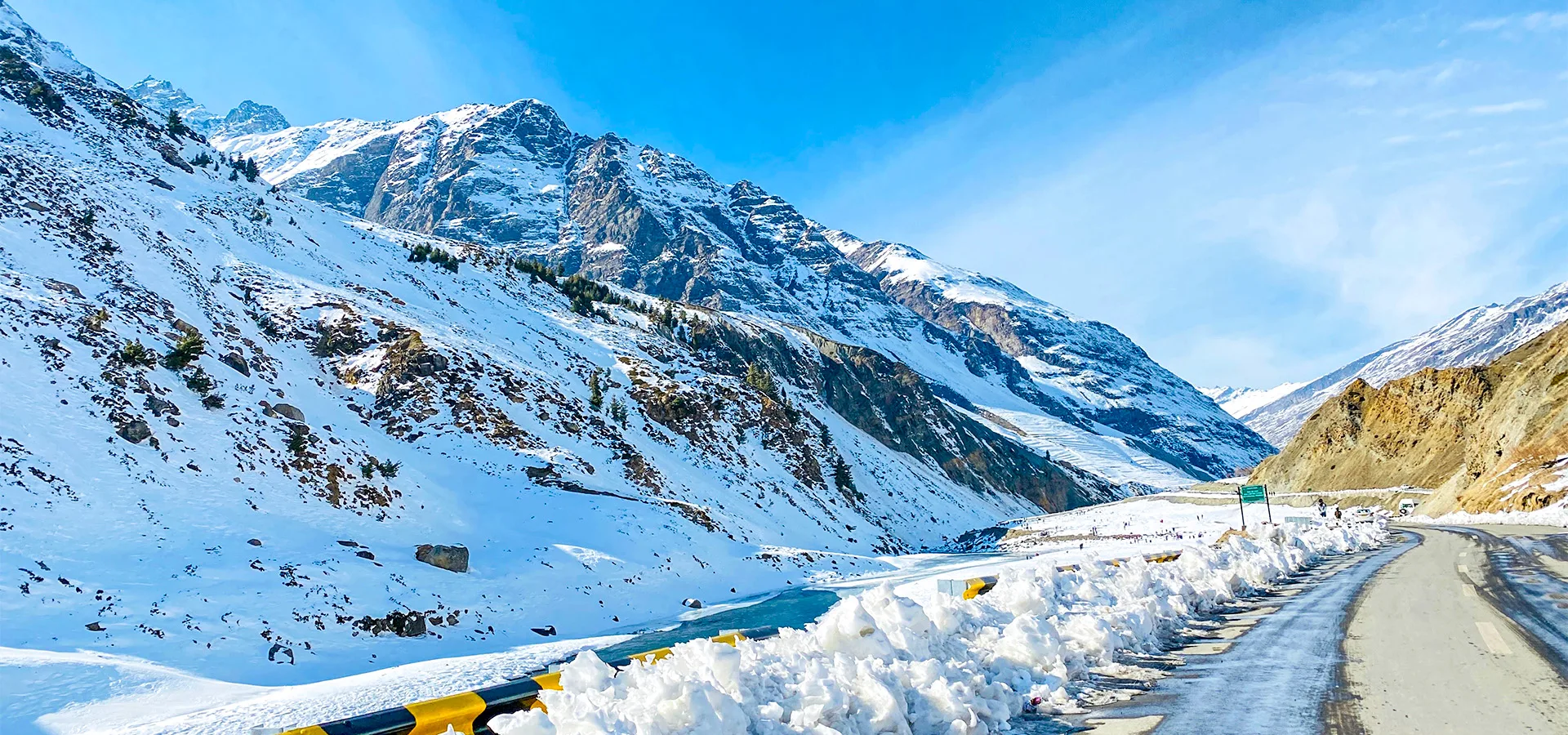
Manali serves as both a relaxed mountain valley town and the launchpad for serious Himalayan adventure — paragliding over Solang Valley, the high-altitude Rohtang Pass, and the legendary Manali-to-Leh road crossing five mountain passes into Ladakh's trans-Himalayan desert.
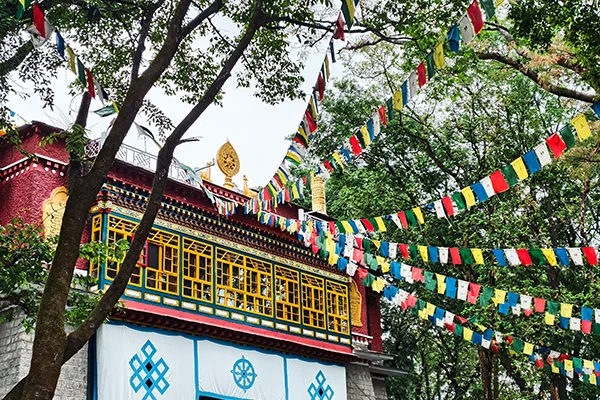
Dharamsala's McLeod Ganj has been home to the Dalai Lama and the Tibetan government-in-exile since 1959, giving this corner of Himachal a distinct Tibetan Buddhist character, while Dalhousie's quieter, pine-forested hills offer a slower, less-visited alternative.
Six reasons Himachal remains India's favourite mountain escape
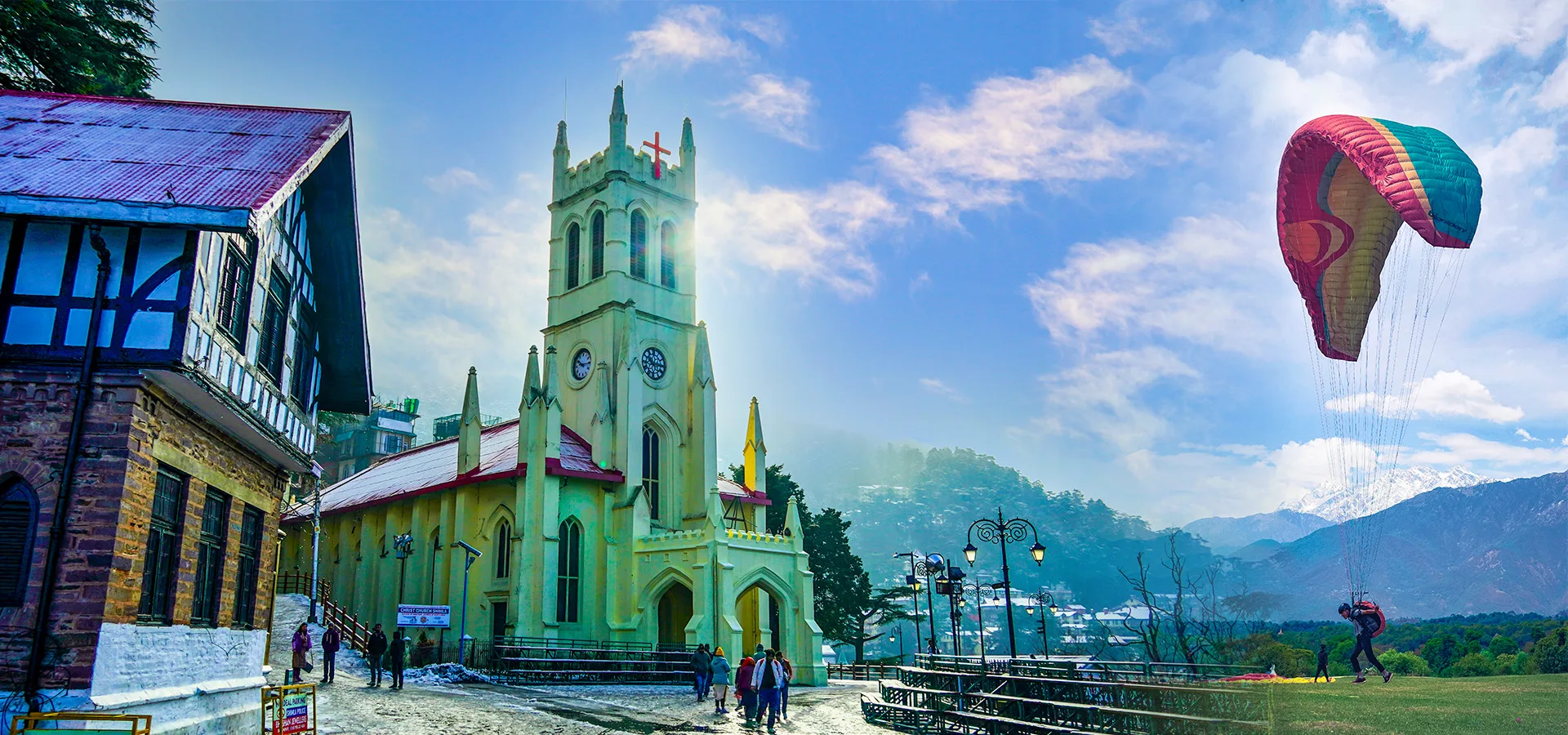
The former summer capital of British India — Mall Road, the Ridge, and Christ Church, alongside the UNESCO-listed Kalka-Shimla toy train that still climbs the mountains.
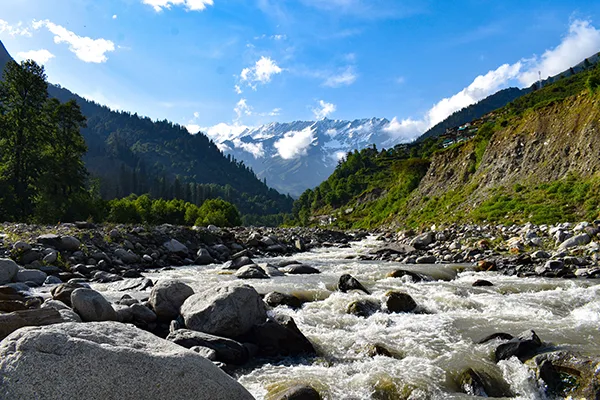
Tandem paragliding over open mountain slopes, the high-altitude Rohtang Pass, and apple orchards that have made Manali Himachal's most popular hill town.
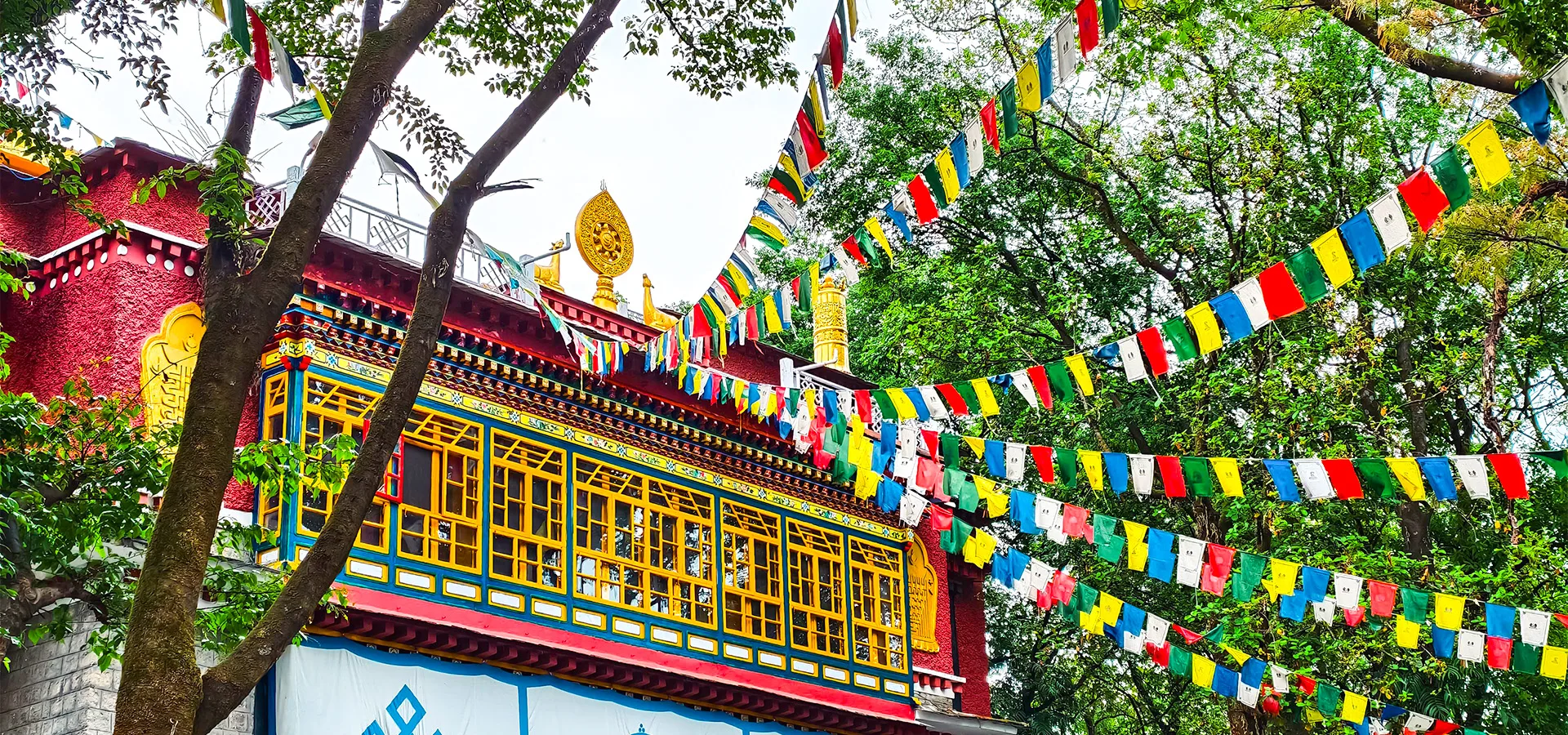
Home to the Dalai Lama and the Tibetan government-in-exile since 1959 — monasteries, Tibetan cuisine, and sweeping Dhauladhar mountain views.
One of the world's great high-altitude drives, crossing five Himalayan passes over two days to reach Ladakh's trans-Himalayan desert landscape.
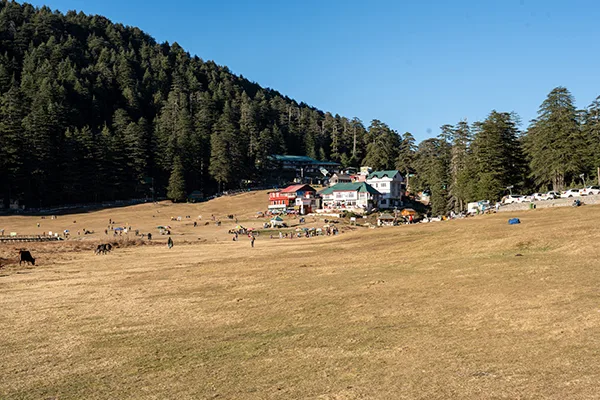
A gentler, less-visited hill station built across five hills, with colonial-era churches and genuinely peaceful pine-forest walks.
Many Himachal circuits combine naturally with a visit to Amritsar's Golden Temple, just a few hours from Dharamsala across the Punjab plains.
Himachal's dramatic elevation range — from Punjab plains to 5,000m+ passes — means timing your visit around your planned altitude matters.
Pleasant valley temperatures (15–25°C) with snow-capped peaks still visible above. The Manali-Leh road typically opens by late May/June once snow clears.
Clear post-monsoon skies, excellent mountain visibility, and comfortable temperatures — considered by many the best all-round window, though the Manali-Leh road closes by early October.
Heavy snow closes high-altitude roads and passes entirely; Shimla and Manali itself stay accessible and are popular for snow tourism, but this isn't the season for cross-Himalaya travel.
Once the summer capital of British India, Shimla's Mall Road and the Ridge remain the social heart of the town, framed by Tudor-style architecture and deodar forest.
The UNESCO-listed Kalka-Shimla toy train, built in 1903, still climbs 96 kilometres of mountain track to reach the town — one of the most scenic rail journeys in India.
A relaxed mountain valley town surrounded by apple orchards, and the launchpad for Himachal's biggest adventure activities — paragliding, trekking, and the legendary road to Leh.
Old Manali's café culture, the Hadimba Devi Temple's cedar-wood architecture, and nearby Solang Valley give the town a character equally suited to relaxation and adrenaline.
Home to the Dalai Lama and the Tibetan government-in-exile since 1959, McLeod Ganj carries a distinct Tibetan Buddhist atmosphere found nowhere else in Himachal.
Monasteries, prayer-flag-strung mountain trails, and sweeping views of the Dhauladhar range make this one of Himachal's most reflective stops.
Built across five hills by the British in 1854, Dalhousie remains one of Himachal's less-visited hill stations, with colonial-era churches and genuinely peaceful pine forest.
A gentler pace than Shimla or Manali, and the gateway to Khajjiar — often called 'Mini Switzerland' for its meadow-and-forest scenery.