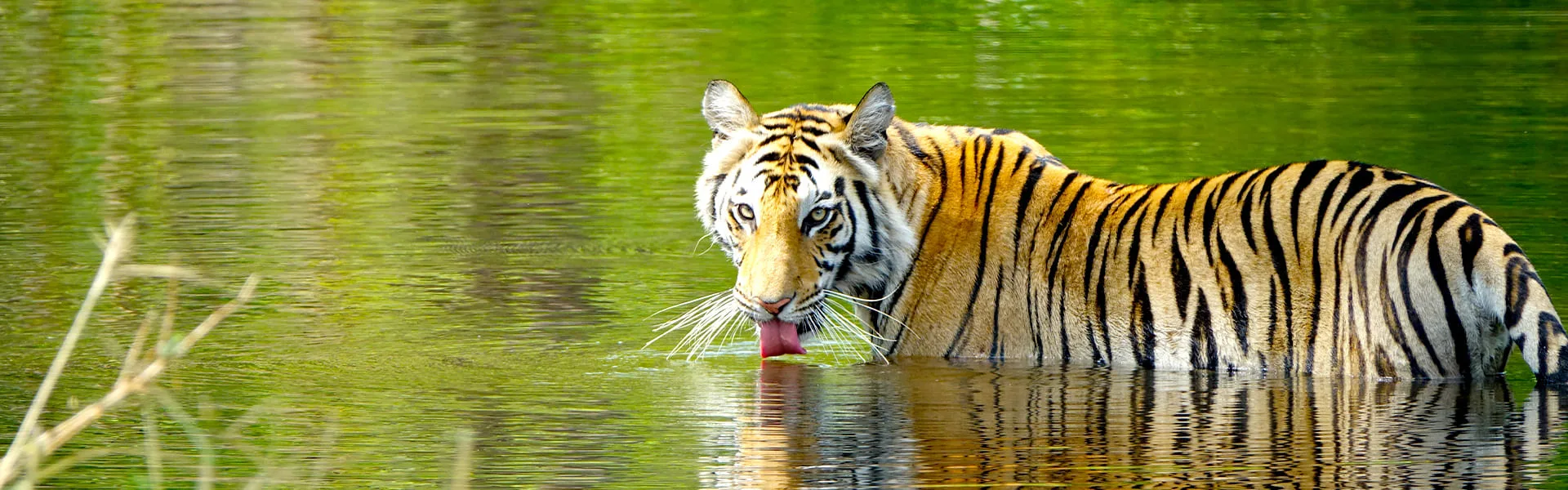
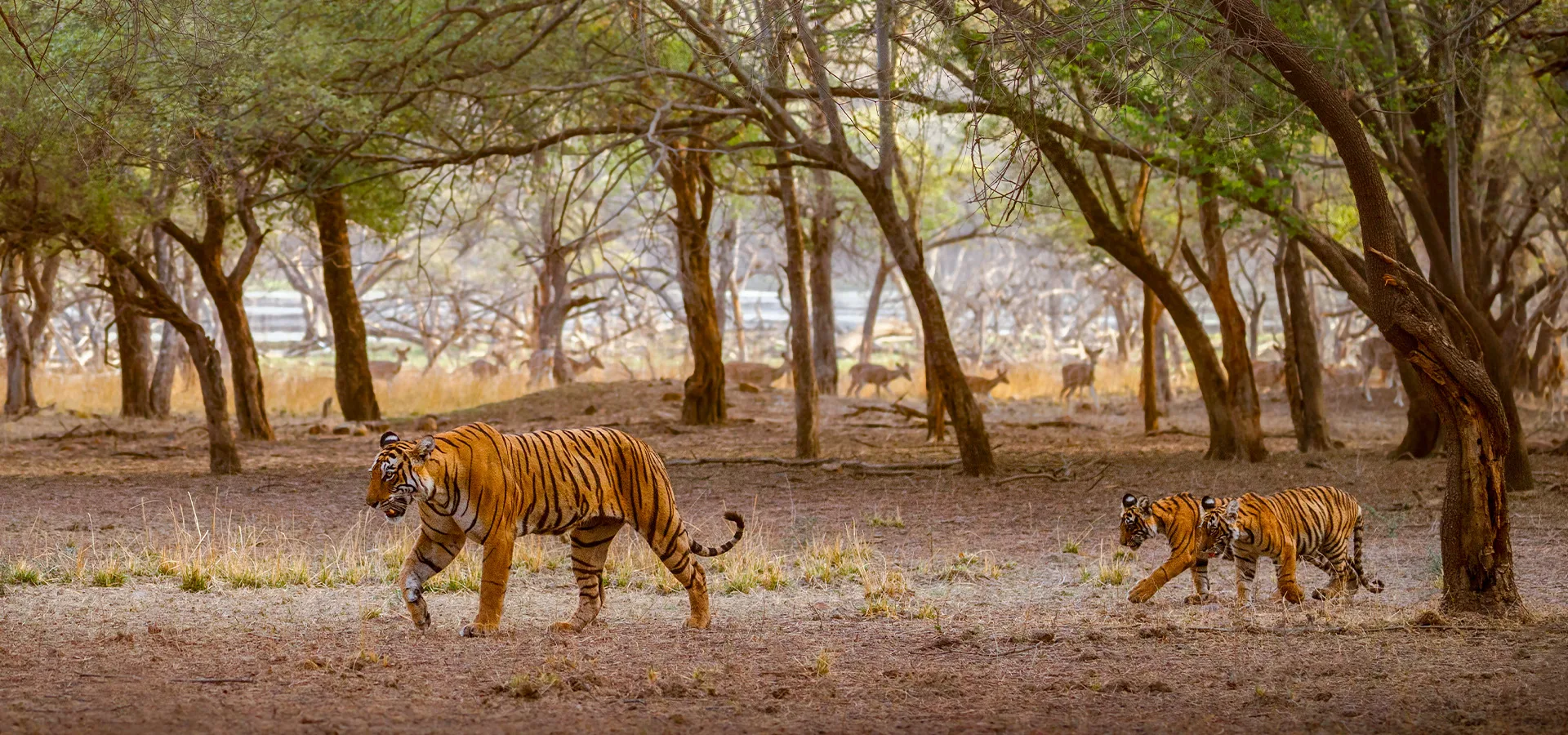
Sariska Tiger Reserve, spread across 866 sq km of the Aravalli hills in Alwar district, has one of the more unusual stories among India's national parks: after its tiger population was declared locally extinct due to poaching in 2005, Sariska became the site of India's first successful tiger reintroduction programme, relocating tigers from Ranthambhore beginning in 2008.
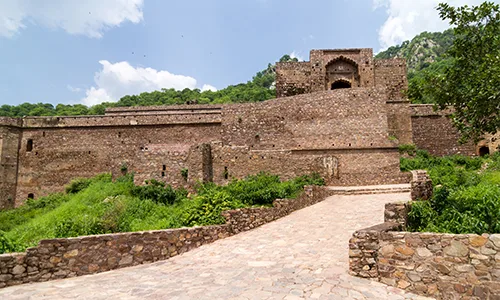
The reserve was originally a hunting ground for the Maharajas of Alwar, and still holds the ruins of the Kankwari Fort deep within the forest — where, according to legend, the Mughal emperor Aurangzeb once imprisoned his brother Dara Shikoh — alongside several active hilltop temples that draw pilgrims independent of any wildlife interest.
Today, tourism here is a careful balance: serious wildlife safaris for travellers hoping to witness the reintroduction's continued success, alongside religious pilgrimage to sites like the Pandupol Hanuman Temple, all within a landscape of dry deciduous forest considerably different in character from Ranthambhore's lake-dotted terrain.
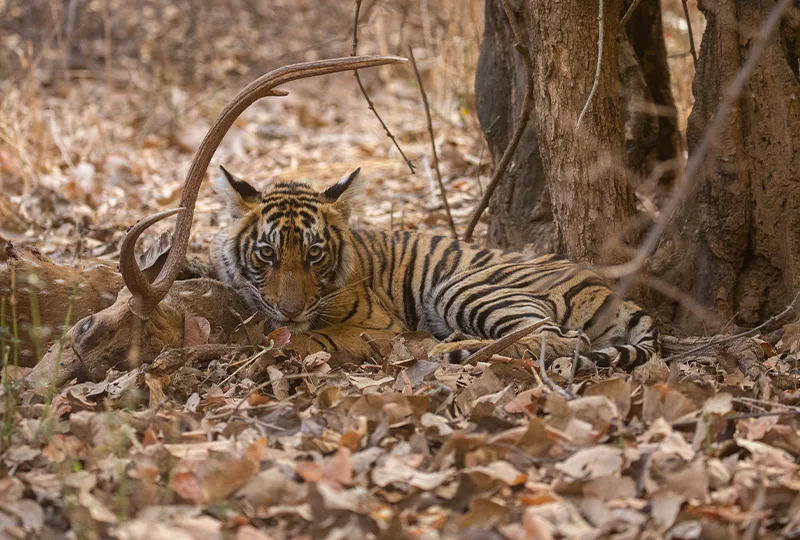
Sariska's safari season follows the same national park calendar as other Rajasthan reserves, closing for the monsoon breeding season.
Comfortable temperatures (10–25°C) and good general wildlife activity — the most popular and reliable season for a Sariska visit.
Warmer, but with improving sightings as water sources concentrate wildlife near remaining waterholes.
The park's core zone closes for the breeding season; little benefit to visiting during this window.
Six highlights — safaris, temples, and ruins — that define a visit to Sariska.
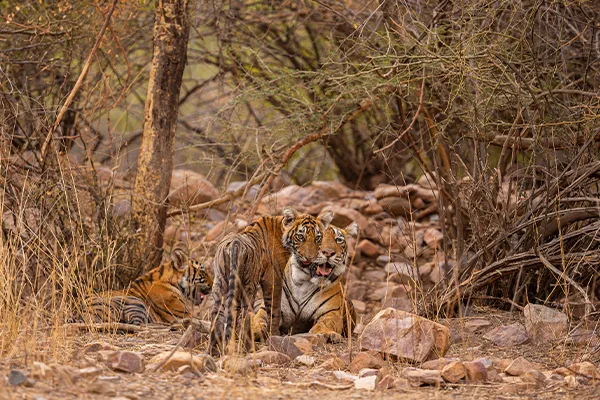
Wildlife
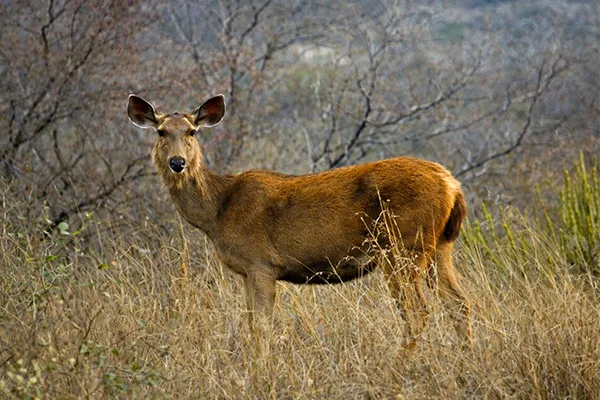
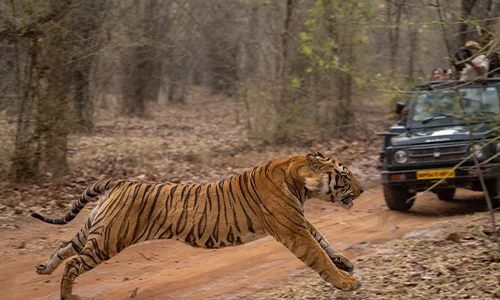
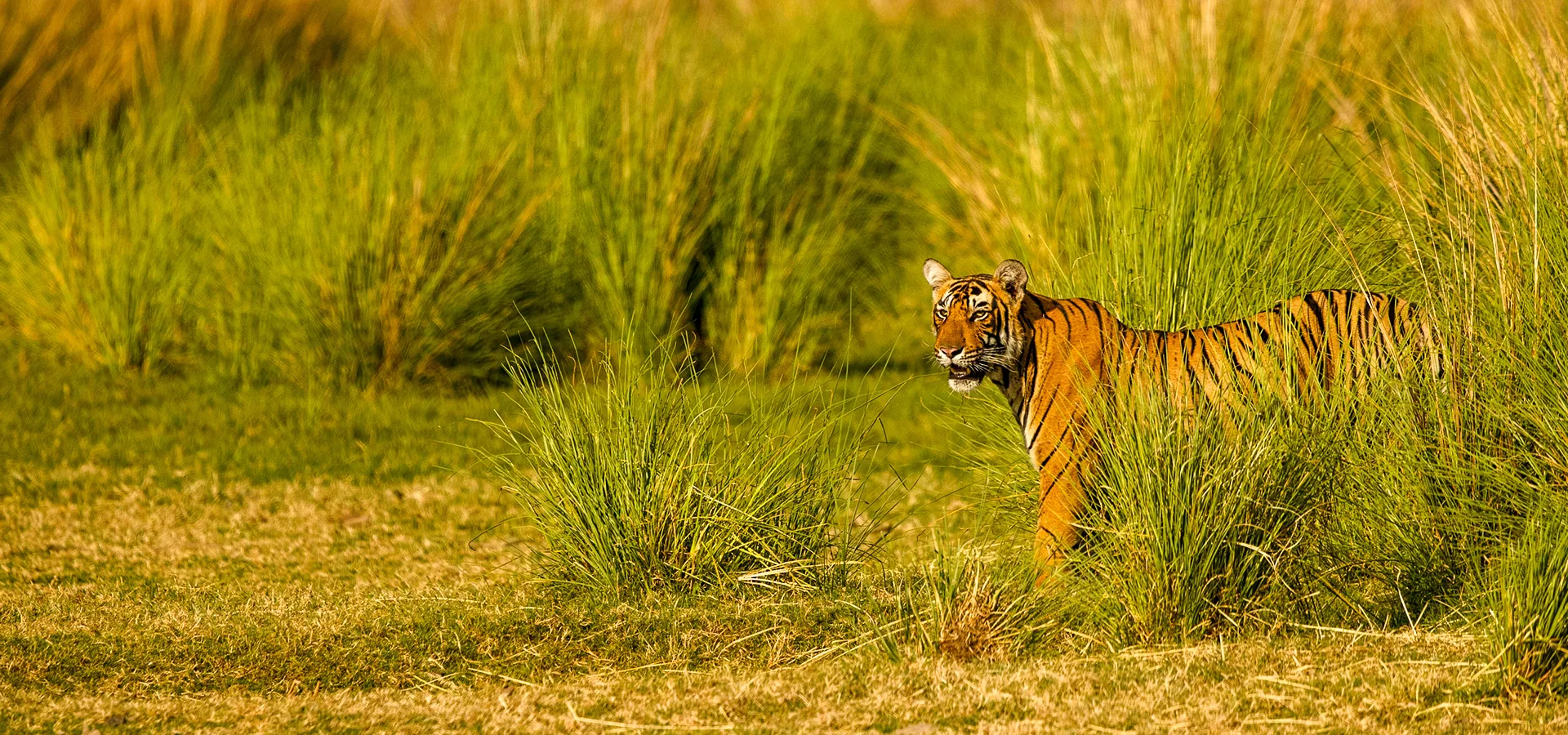
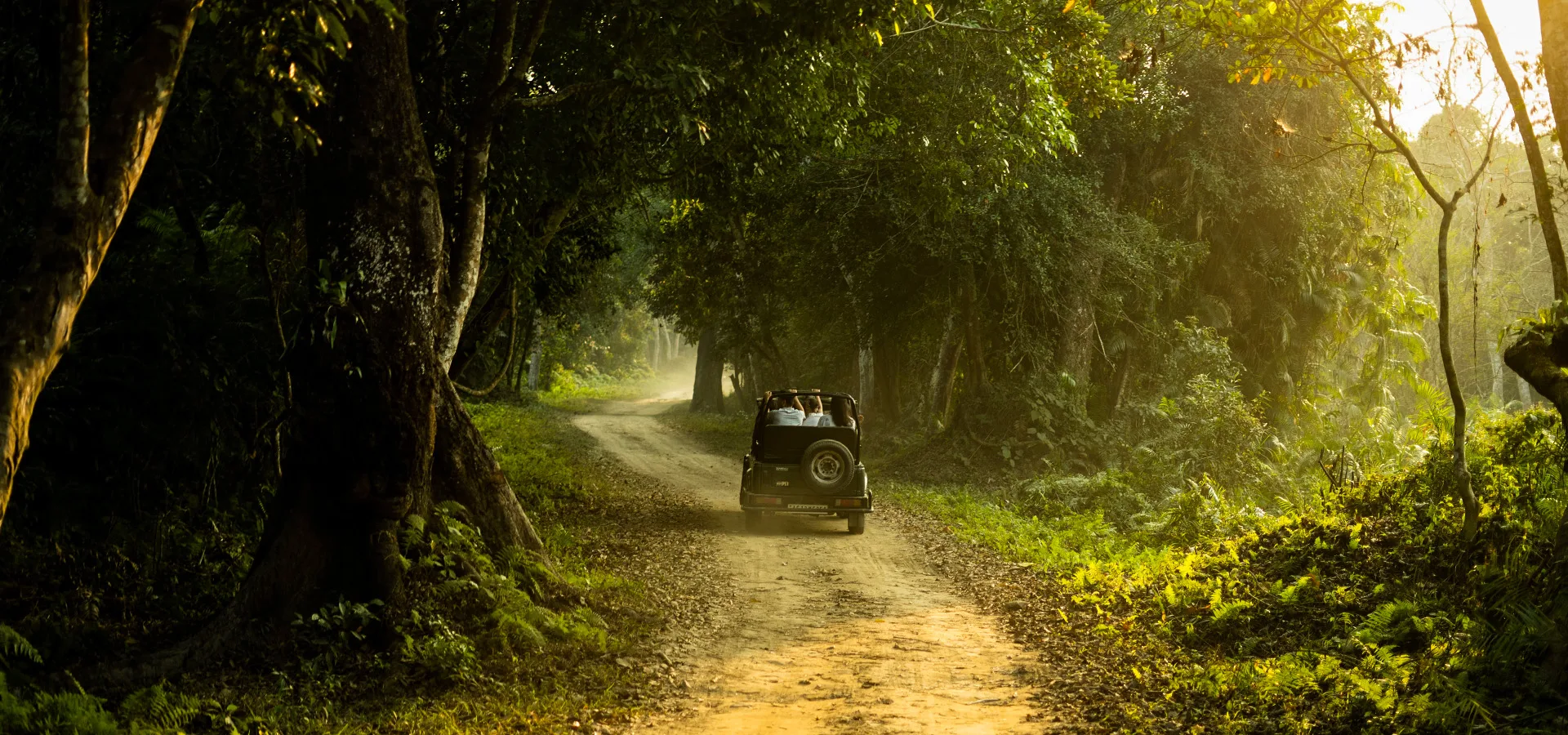
Jeep safaris into the reserve's core and buffer zones, home to reintroduced tigers, leopards, sambar deer, and nilgai across dry deciduous Aravalli forest.
Fort
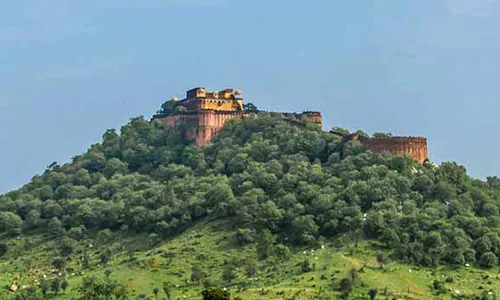
A remote 17th-century fort deep within the reserve, said to be where Aurangzeb imprisoned his brother Dara Shikoh — accessible only as part of a safari permit.
Temple
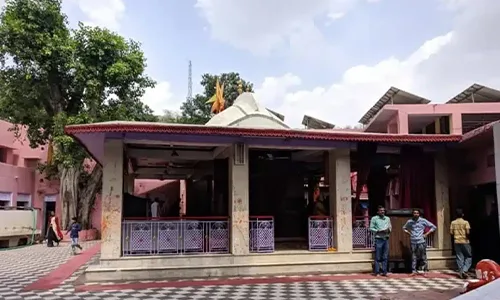
An active pilgrimage site within the reserve, believed to mark a Pandava brothers' resting place during their exile — drawing devotees alongside wildlife visitors, especially on Tuesdays and Saturdays.
Excursion
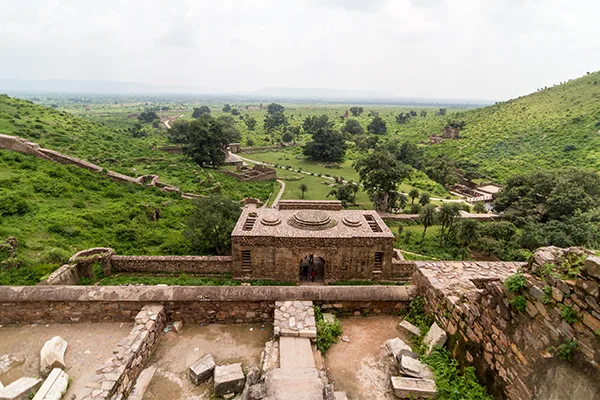
A 17th-century ruined town widely reputed (without scientific basis) to be India's most haunted site, popularly visited as an atmospheric half-day excursion from Sariska.
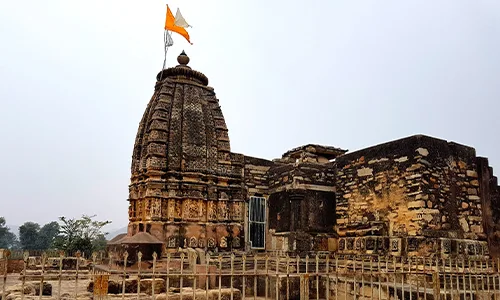
Temple Ruins
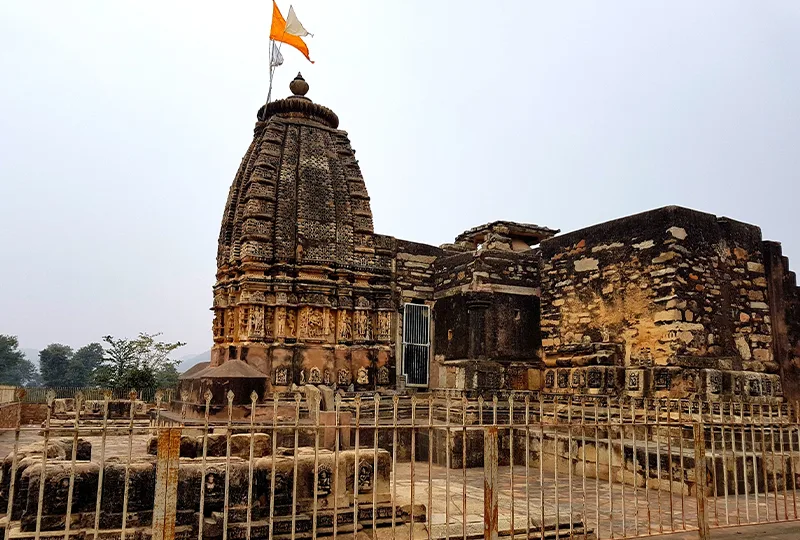
A cluster of 6th-10th century temple ruins within the reserve, showcasing some of the region's oldest surviving stone temple architecture amid quiet forest surroundings.
Heritage
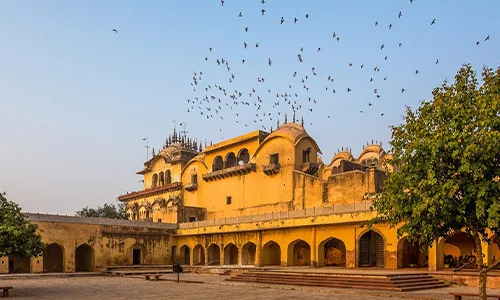
The nearby city of Alwar holds the City Palace museum and Bala Quila hill fort, both worthwhile additions for travellers staying more than a single day.
Sariska's dry deciduous forest, dotted with rocky outcrops and seasonal streams, offers a visually distinct safari experience from Ranthambhore's lake-centred landscape.
Tiger sightings remain less frequent here than at Ranthambhore given the smaller, still-recovering population, but leopard and ungulate sightings are reliable.
Sariska's forest hides genuine architectural history alongside its wildlife — the Neelkanth Mahadev ruins are among the oldest stone temples in the region.
Pandupol's living pilgrimage tradition adds a cultural dimension uncommon in most tiger reserves.
Bhangarh Fort's eerie reputation and Alwar's royal heritage both make excellent additions to a Sariska stay, especially for travellers with more than a single day.
Both lie within comfortable day-trip range of the reserve.
Sariska is the closest major tiger reserve to Delhi and Jaipur, making it a popular shorter wildlife addition to a Rajasthan trip.
Jaipur International Airport (JAI), about 110 km away, is the most practical airport; Delhi offers more international connections at a slightly greater distance.
The nearest major railway station is Alwar, about 35 km from the reserve, connected to Delhi and Jaipur.
Sariska is an easy half-day drive from both Delhi and Jaipur, making it a popular weekend wildlife destination from either city.
What to eat, and a few customs worth knowing, before you arrive
The Rajasthani staple, served at most lodges and resorts around the reserve.
Most properties serve hot chai before the dawn safari departure — a welcome ritual on cool winter mornings.
Keep voices low and avoid sudden movement during safaris — both for sighting quality and to respect the animals' space.
Khaki, olive, and brown are preferred for safaris; bright colours are more visible to wildlife and other vehicles.
At Pandupol and Neelkanth, dress modestly and follow standard temple customs even within the wildlife reserve.
A telephoto lens helps capture wildlife at a respectful distance, especially given Sariska's denser forest cover.
A few practical things worth knowing before your Sariska visit.
Safari permits are limited daily and should be booked ahead, particularly for weekends when Delhi and Jaipur day-trippers visit.
Sariska's tiger population remains smaller than Ranthambhore's — sightings are possible but less frequent; enjoy the broader wildlife and scenery too.
Sariska offers jeep safaris rather than larger canters, giving a more personal, flexible experience.
Dawn safaris in winter can be cold despite warm daytime temperatures — bring a jacket for the early start.
Pandupol Temple draws larger pilgrim crowds on these days — plan accordingly if combining wildlife and temple visits.
Sariska town and nearby Alwar both offer convenient lodging with early safari pickup arrangements.
Naturalist guides know the park's safety protocols — always follow their directions inside the reserve.