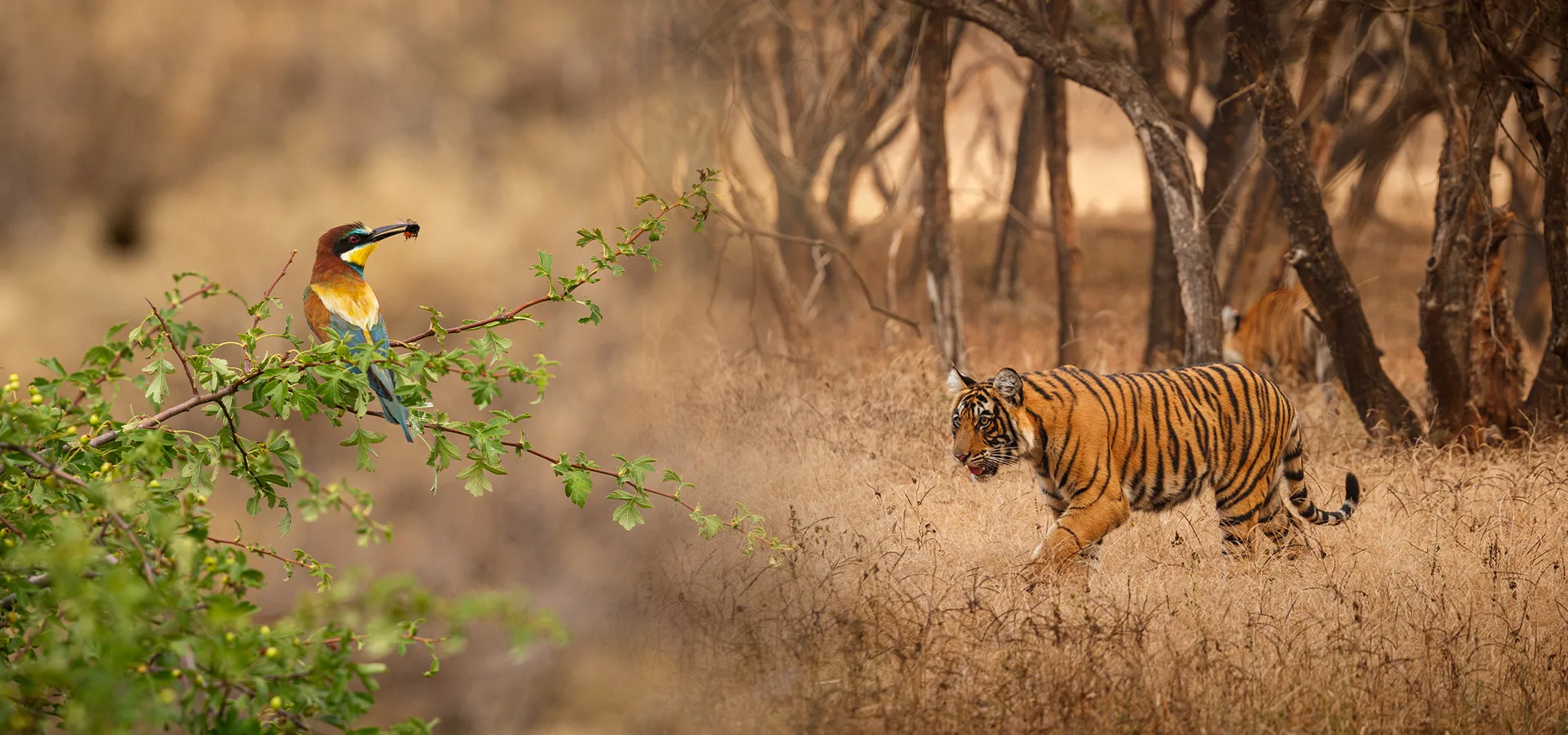
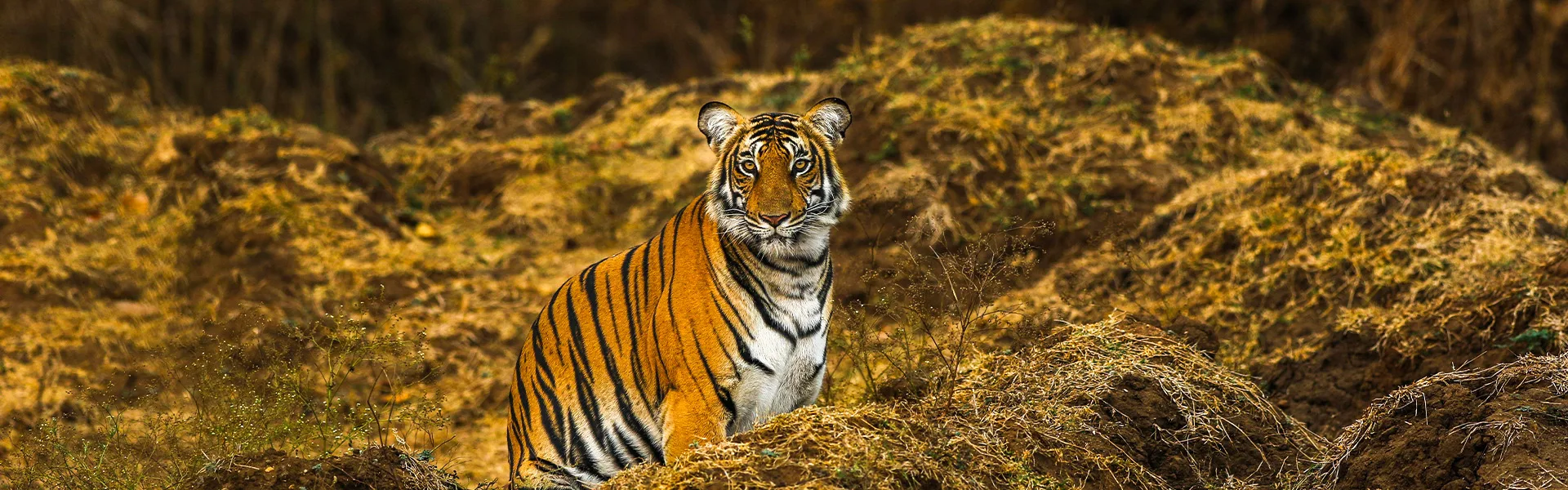
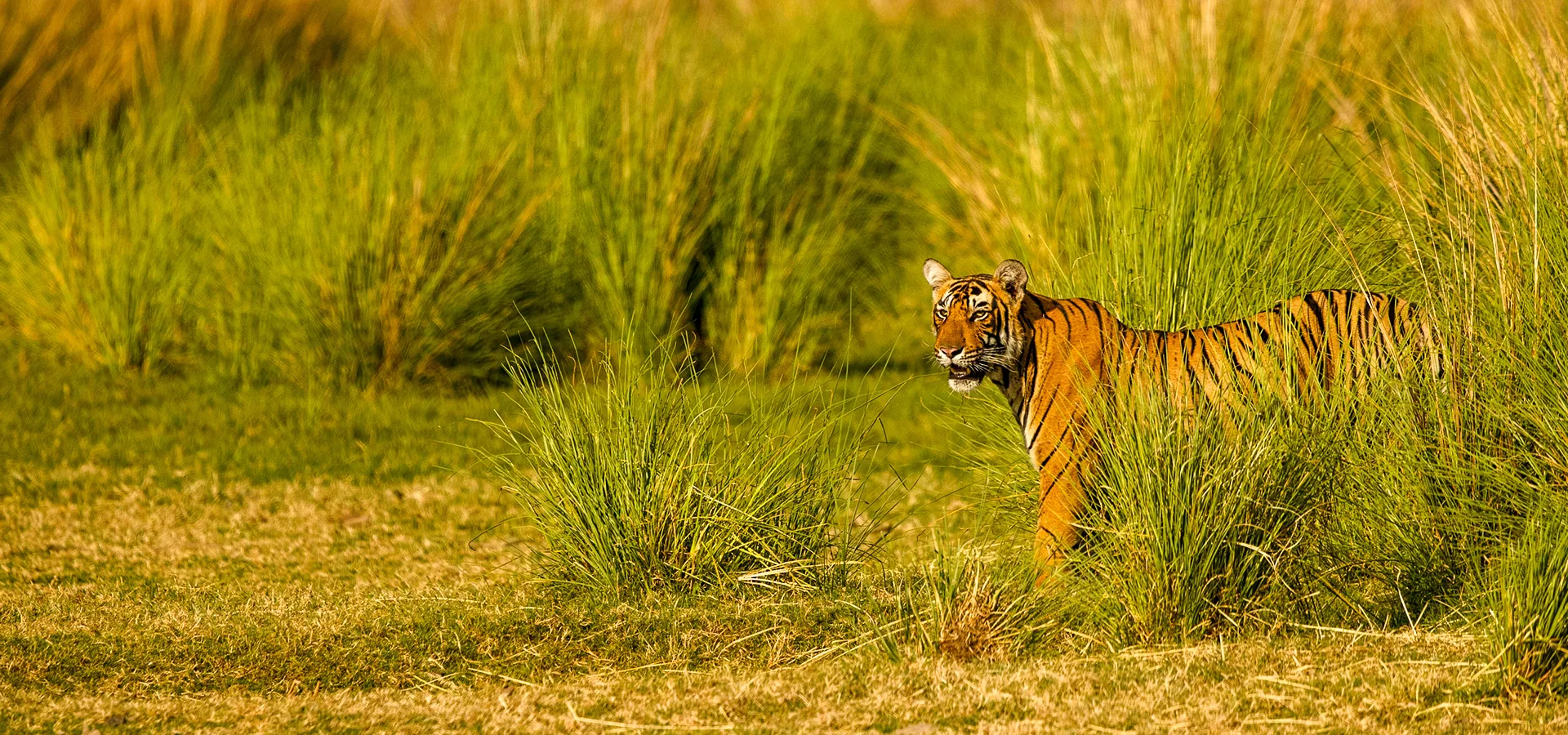
Ranthambhore National Park, spread across 392 sq km of the Aravalli and Vindhya hill ranges, is one of India's premier tiger reserves and the most accessible from Delhi or Jaipur — a place where you can genuinely combine a serious wildlife safari with classic Rajasthan heritage.
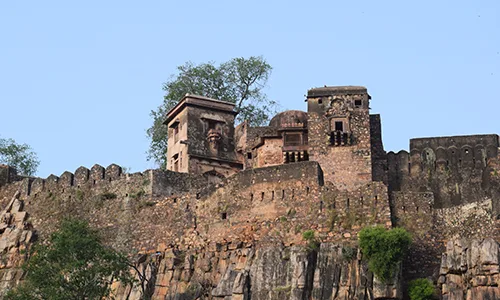
At its heart stands Ranthambhore Fort, a 10th-century citadel rising dramatically above the forest, its ancient temples and ramparts now overgrown and overlooked by the very tigers that have made this park famous. Few wildlife reserves anywhere pair their animals with a backdrop quite this evocative.
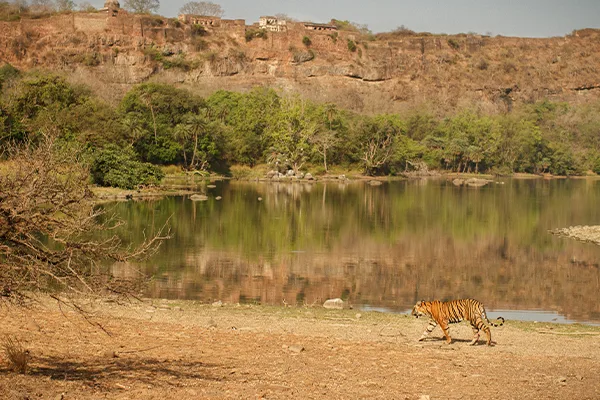
Tourism here is built almost entirely around the tiger — jeep and canter safaris into the park's various zones, with lakes (Padam Talao, Malik Talao) that draw not just tigers but sloth bears, leopards, marsh crocodiles, and over 300 recorded bird species.
Ranthambhore's safari season is dictated by the park's official opening dates and by when wildlife sightings are most reliable.
As summer approaches and water sources shrink, tigers become far easier to spot near the remaining lakes — generally considered the best sighting window, despite rising heat.
Pleasant temperatures (10–25°C) and good sightings, particularly once the park reopens in October after the monsoon closure.
The park's core zones are closed for the breeding season; only a few buffer zones may remain open, with no significant sightseeing or safari benefit.
Seven highlights — safari zones, the fort, and the lakes — that define a Ranthambhore visit.
Wildlife
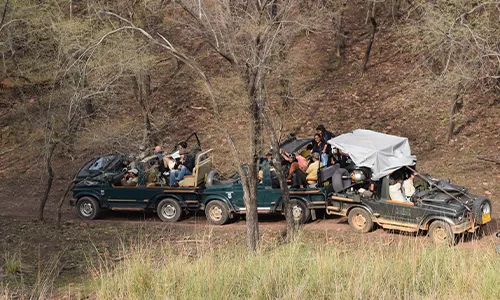
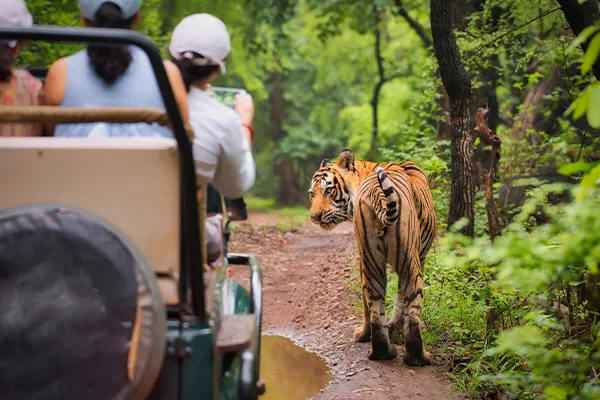
Jeep (6-seater) or canter (20-seater) safaris into one of ten numbered zones, each with its own character and sighting patterns — the heart of any visit here.
Fort
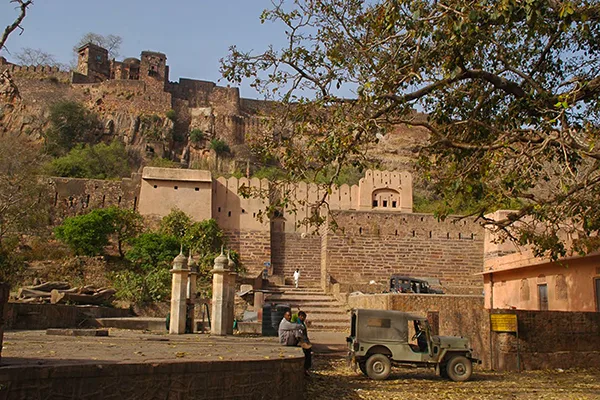
A 10th-century UNESCO World Heritage fort rising within the park itself — ancient temples, a step-well, and panoramic views over the forest, often visited en route during a safari.
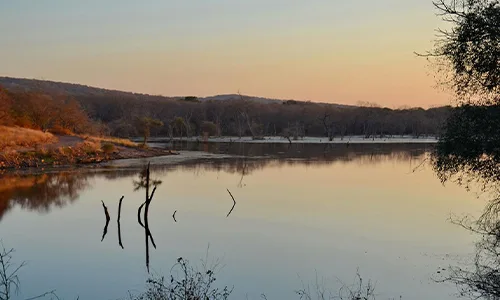
Lake
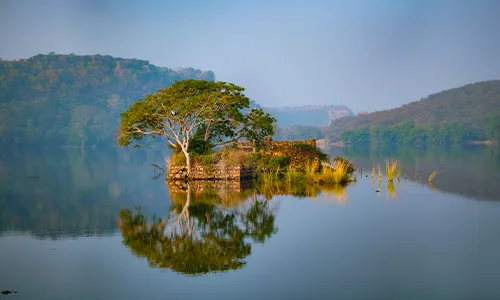
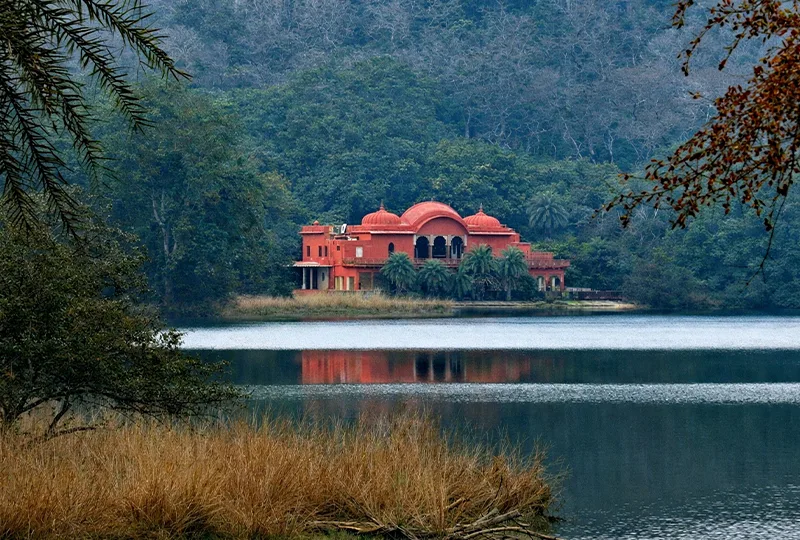
The largest lake within the park, fringed with lotus flowers and overlooked by the historic Jogi Mahal — one of the most reliable spots for tiger and crocodile sightings.
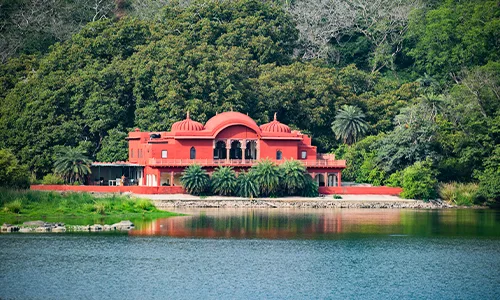
Heritage
A former royal hunting lodge on the shore of Padam Talao, beneath one of India's largest banyan trees — a peaceful, historic stop within the safari circuit.
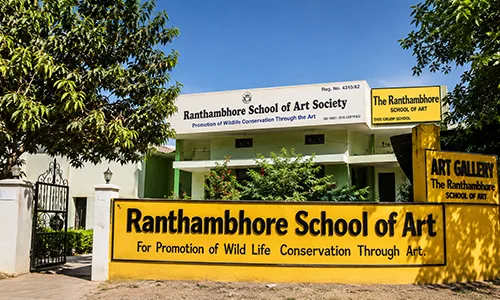
Culture
A local initiative supporting wildlife and tribal art by area artists — paintings, sculptures, and crafts inspired directly by the surrounding forest and its tigers.
Birdwatching
A wetland outside the core park, popular with migratory waterbirds in winter — an excellent half-day add-on for keen birdwatchers.
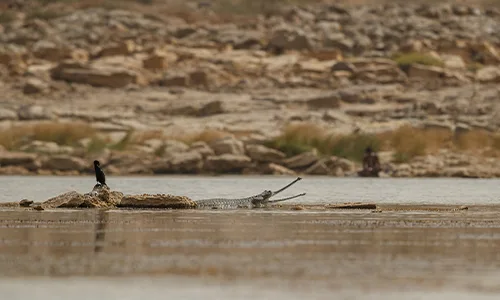
Excursion
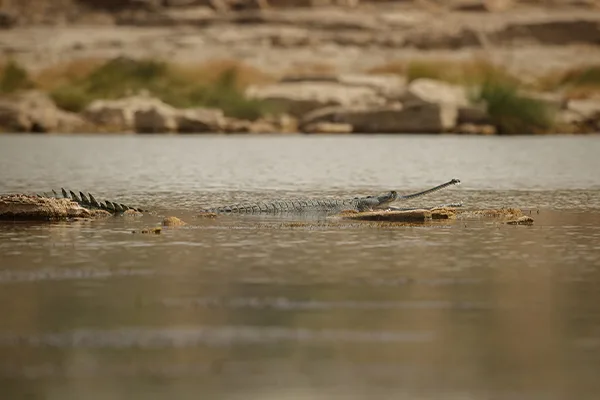
A longer day trip to the Chambal River, home to the rare gharial crocodile and Gangetic river dolphins — a good alternative or addition for a multi-day stay.
Ranthambhore is divided into ten numbered zones, each allocated a limited number of vehicles per safari slot — zones 1-5 sit within the core area and are generally considered the most productive for sightings.
Permits are zone-specific and allocated by lottery or advance booking, so flexibility on dates helps secure the best zones.
Rising within the park boundary itself, the fort's ancient temples and ramparts are usually visited as part of a safari route rather than as a separate trip.
The Ganesh Temple here is an important pilgrimage site, drawing devotees alongside wildlife enthusiasts.
Surwal Lake and the longer Chambal River excursion both extend a Ranthambhore stay with different wildlife and landscape experiences.
These work well for multi-day visitors who have already completed their core safaris.
Ranthambhore (near Sawai Madhopur town) is most easily reached via Jaipur, with the park a comfortable day's drive or rail journey from Delhi or Agra.
The nearest airport is Jaipur (JAI), about 180 km away; Kota's smaller airport is closer but has limited flight connectivity.
Sawai Madhopur railway station, just outside the park, is well connected to Delhi, Jaipur, Mumbai, and Kota — many visitors arrive by train.
A comfortable private vehicle journey connects Ranthambhore to Jaipur, making it an easy addition to a Golden Triangle or Rajasthan circuit.
What to eat, and a few customs worth knowing, before you arrive
The Rajasthani staple, found at most lodges and resorts around the park — hearty fuel before an early morning safari.
Most lodges serve hot chai and light snacks before the dawn safari departure — a welcome ritual on cold winter mornings.
A fiery Rajasthani mutton curry, popular on lodge dinner menus throughout the region.
Keep voices low and avoid sudden movement during safaris — both for sighting quality and to respect the animals' space.
Khaki, olive, and brown are preferred for safaris; bright colours can be more visible to wildlife and other vehicles.
A telephoto lens helps enormously for tiger photography — and avoids the need to get uncomfortably close.
A few practical things worth knowing before your Ranthambhore safari.
Safari permits are released roughly 90 days in advance and sell out quickly in peak season — book as early as your dates allow.
A 6-seater jeep offers a more personal, flexible safari; a 20-seater canter is more affordable but shared with more passengers.
Despite Ranthambhore's reputation, tiger sightings are never guaranteed — manage expectations and enjoy the broader wildlife and scenery.
Dawn safaris in winter can be genuinely cold despite warm daytime temperatures — bring a jacket for the early start.
The park closes annually from July to September for the monsoon and tiger breeding season — plan trips outside this window.
Most lodges sit in Sawai Madhopur, a short drive from the park gates — book one with an early safari pickup service.
Ranthambhore's birdlife is exceptional even when tigers are elusive — binoculars add a lot to the safari experience.
Naturalist guides know the park's safety protocols — always follow their directions inside the reserve.