Modernist City, Snow Peaks, Tibetan Exile Capital & the Holiest Sikh Shrine
Eight days that combine two of north India's most rewarding regions — Himachal Pradesh's hill stations and Punjab's Golden Temple — into a single, beautifully varied circuit.
The tour opens in Chandigarh, Le Corbusier's planned modernist capital, before climbing into Himachal Pradesh for three nights in Manali — the adventure capital of the Himalaya, with the Hadimba Devi Temple, the Rohtang Pass snowfields at 3,978m, and the Kullu Valley's apple orchards. Two nights in Dharamsala bring the extraordinary culture of Tibet in exile — the Dalai Lama's Tsuglagkhang temple, the Tibet Museum, and the Dhauladhar range towering above McLeod Ganj.
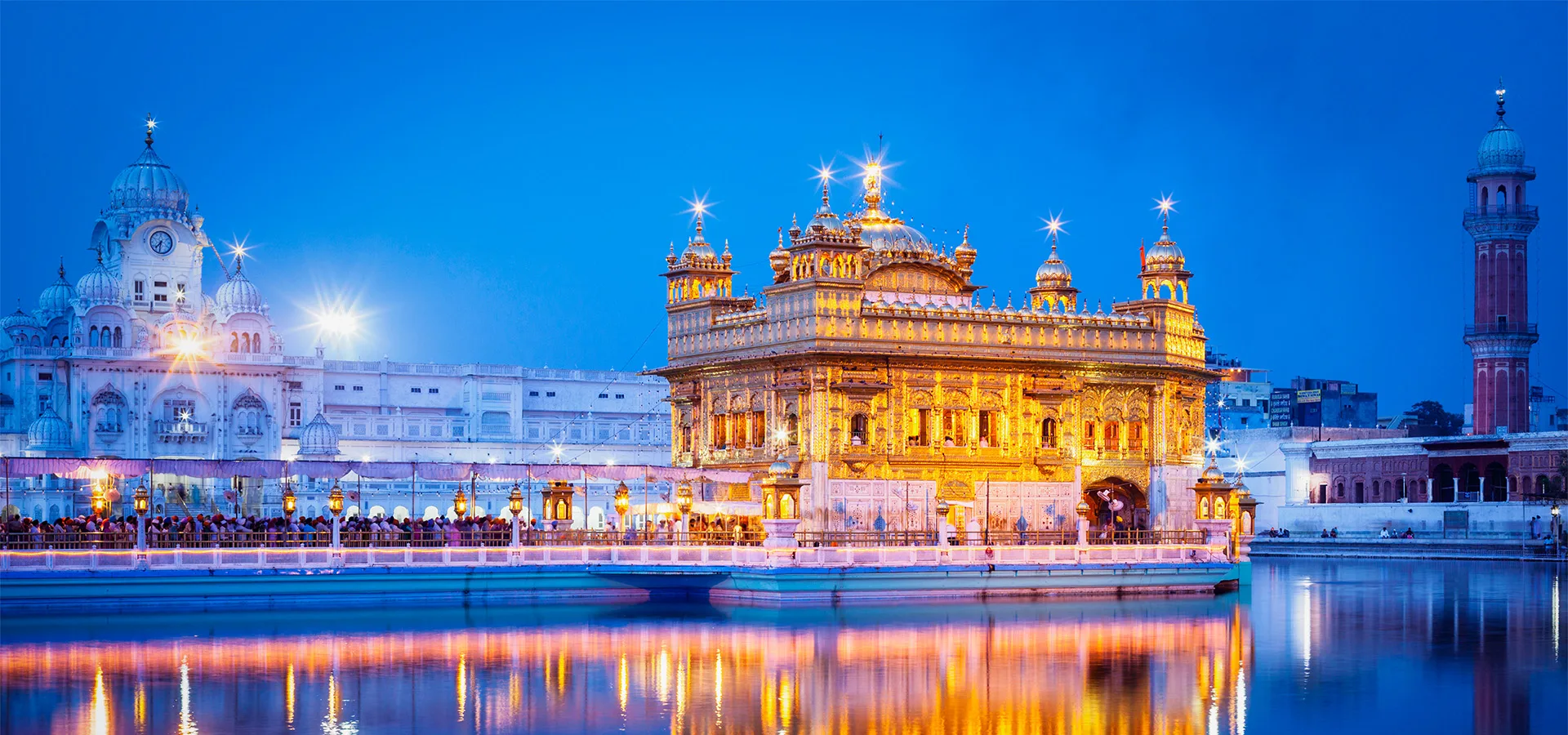
The journey concludes in Amritsar — the holiest city of Sikhism. The Golden Temple (Harmandir Sahib) is one of the most beautiful and moving religious sites on earth: a gold-plated shrine floating on a sacred pool, open to all regardless of faith, with a community kitchen (langar) feeding over 100,000 people daily, entirely free. The Wagah Border ceremony — a theatrical evening flag-lowering ritual at the India-Pakistan border, performed with extraordinary patriotic energy on both sides — is one of the most unique spectacles in South Asia.
What makes this journey special
Your journey, unfolded
Depart Delhi by private vehicle for Chandigarh (250 km, ~5 hrs). Chandigarh is one of the great planned cities of the 20th century — designed by Le Corbusier as independent India's new capital for Punjab after Partition. Visit Nek Chand's Rock Garden (40 acres of sculpture created entirely from recycled industrial waste, begun secretly in 1957) and the Capitol Complex (UNESCO World Heritage, 2016) — the Assembly, High Court, and Secretariat buildings, monumental modernist architecture at its finest. Sukhna Lake for an evening walk.
Drive from Chandigarh to Manali (310 km, ~8 hrs) through Mandi and the lower Kullu Valley — apple orchards and the Beas River accompany the road for the final stretch. Arrive Manali (2,050m) by evening and check in to your riverside hotel.
Hadimba Devi Temple (1553 CE) — a four-storey deodar cedar pagoda built around a natural cave sacred to the goddess Hadimba, set in protected cedar forest. Old Manali village — original stone houses, apple orchards, and the Manu Temple above. Vashisht village for the natural sulphur hot springs and Vashisht Rishi Temple.
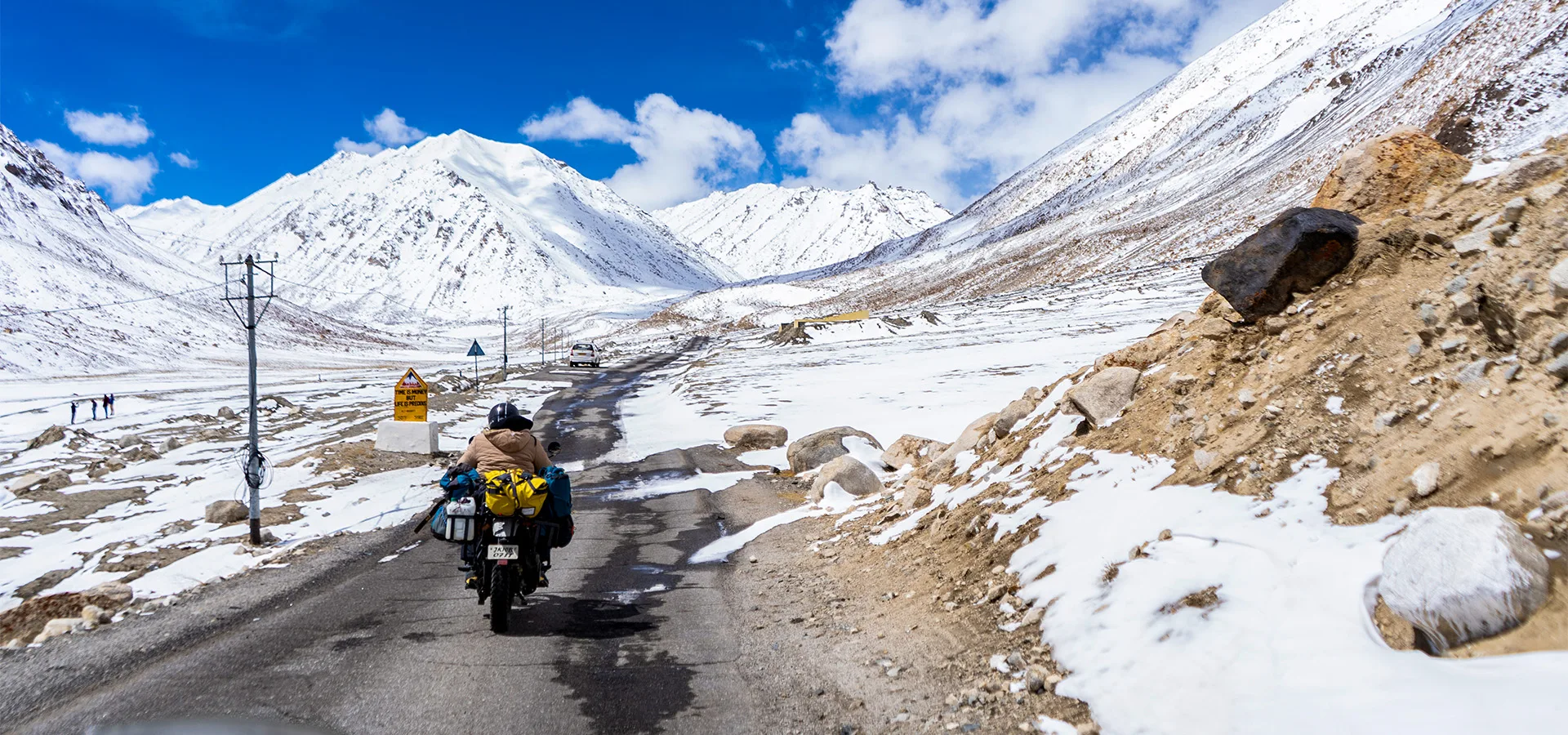
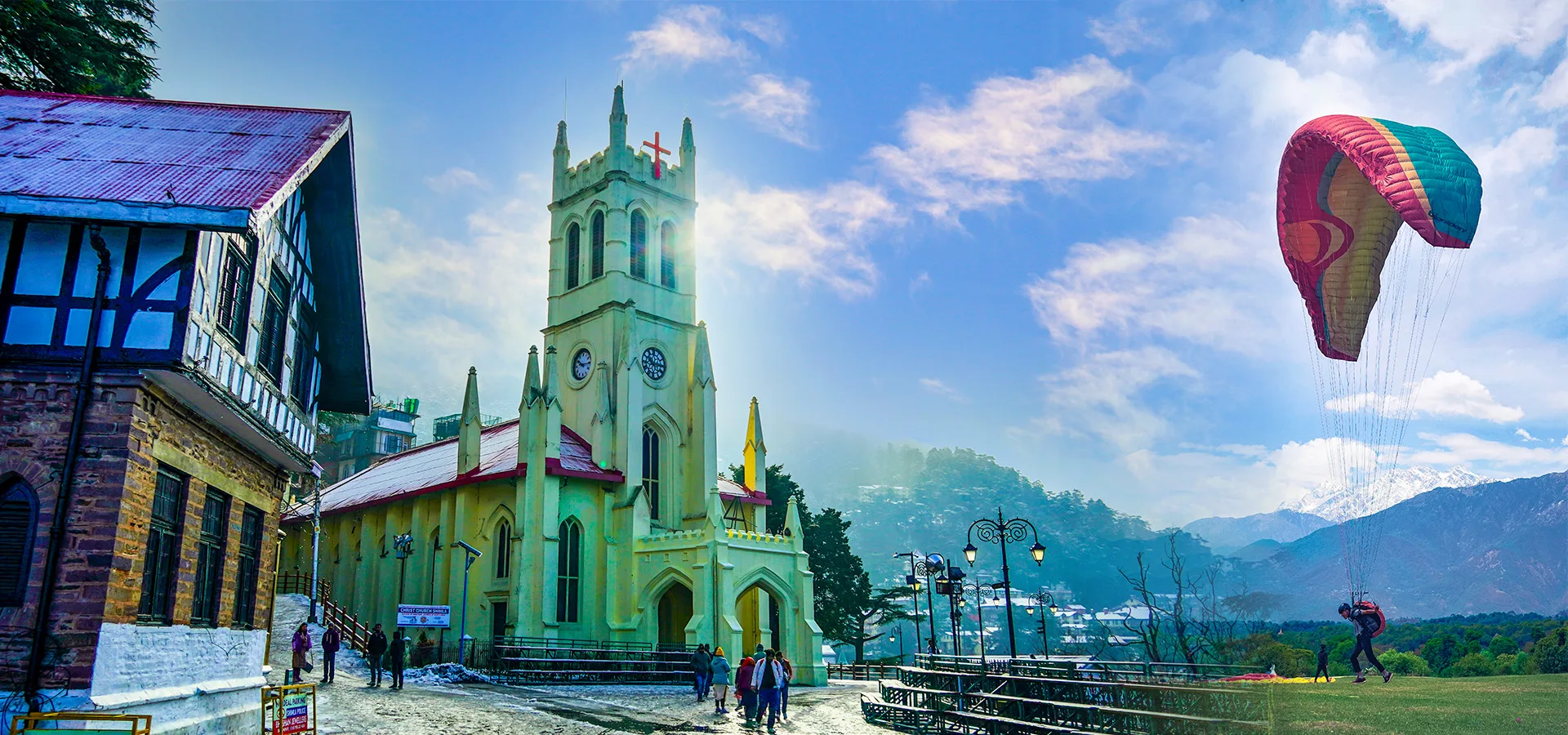
Drive to Rohtang Pass (51 km, ~2.5 hrs, 3,978m) — permanent snowfields, glacier views, and snow activities year-round. On return, stop at Solang Valley (2,480m) for paragliding, zorbing, and the Beas Kund glacier backdrop.
Drive from Manali to Dharamsala (235 km, ~7 hrs) through the Kangra Valley, past tea gardens and rice terraces. Continue up to McLeod Ganj (10 km above Dharamsala). Evening walk through the extraordinary mix of Tibetan monks, trekkers, and locals on the main street.
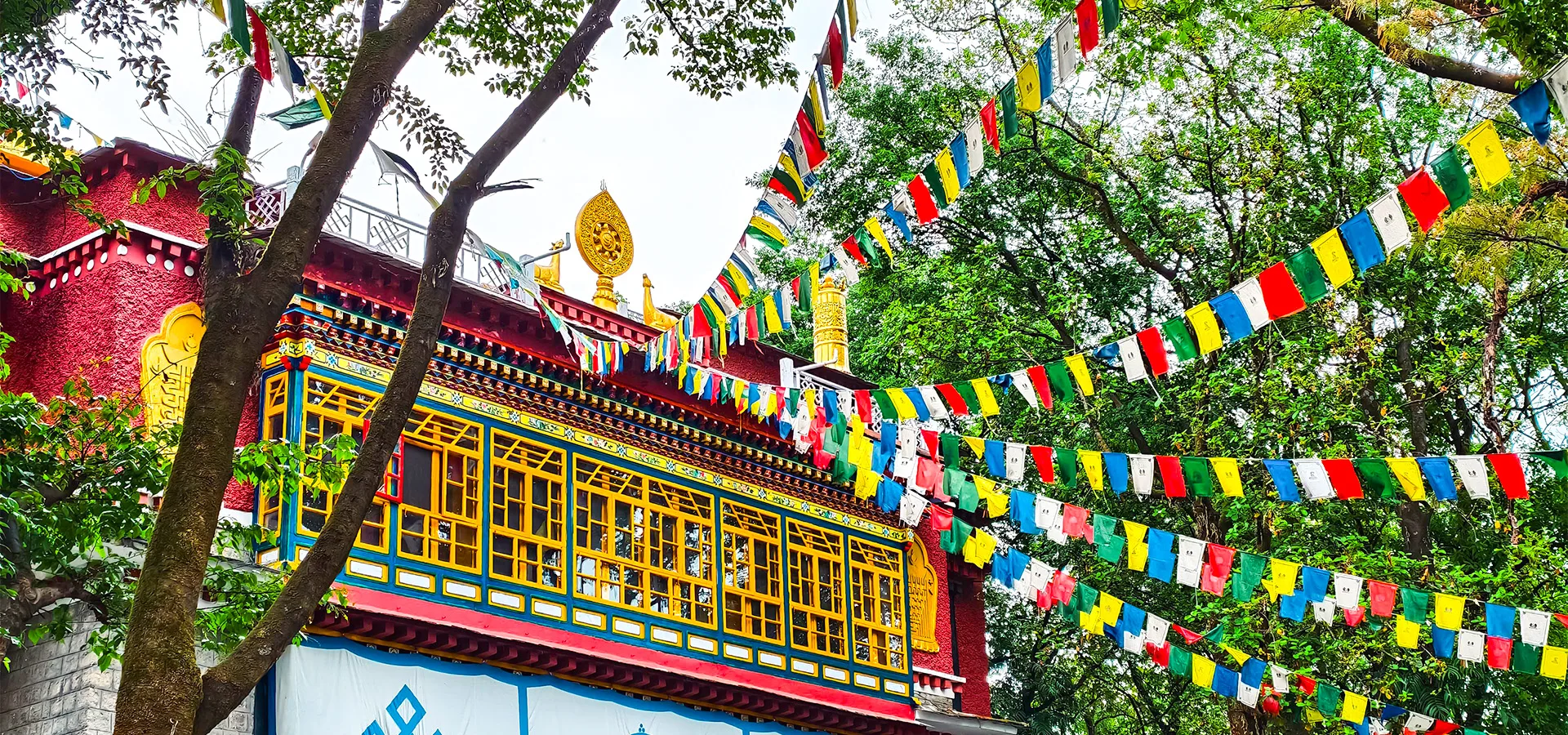
The Tsuglagkhang Complex — the Dalai Lama's main residence and temple (1968), with the Kalachakra Temple and Namgyal Monastery. The Tibet Museum — documenting the 1959 exodus and the Tibetan diaspora. Bhagsu Nag Temple and Bhagsu Waterfall, a short forest walk from McLeod Ganj. Optional half-day Triund Hill trek (9 km) for panoramic Dhauladhar views.
Drive from Dharamsala to Amritsar (200 km, ~5 hrs) descending from the hills into the fertile plains of Punjab. Arrive in the afternoon and check in. Evening visit to the Golden Temple (Harmandir Sahib) — the holiest shrine of Sikhism, a gold-plated structure floating on the sacred Amrit Sarovar pool. The temple is open 24 hours and is most beautiful illuminated at night, reflected perfectly in the still water. Visit the langar (community kitchen) where volunteers feed over 100,000 people daily, completely free, regardless of faith or background — one of the most moving expressions of seva (selfless service) anywhere in the world.
Morning: return to the Golden Temple for the dawn atmosphere — quieter, with the Guru Granth Sahib's morning recitation. Jallianwala Bagh — the memorial to the 1919 massacre, a pivotal moment in the Indian independence movement. Afternoon: drive to the Wagah Border (28 km, ~45 min) for the famous evening flag-lowering ceremony — a theatrical, intensely patriotic display performed by the Indian Border Security Force and Pakistan Rangers before crowds of cheering spectators on both sides, one of the most unique spectacles in South Asia. Return to Amritsar for your onward departure or overnight before flying home.
Inclusions & Exclusions
Included ✓
- ✓ 7 nights accommodation in handpicked hotels
- ✓ Daily breakfast throughout
- ✓ Private vehicle for all transfers
- ✓ Chandigarh Rock Garden & Capitol Complex entry
- ✓ Hadimba Temple area entry
- ✓ Rohtang Pass permit (arranged by us)
- ✓ Tsuglagkhang Complex guided visit
- ✓ Tibet Museum entry
- ✓ All applicable taxes
Not Included ✗
- ✗ Flights / trains to / from Delhi or Amritsar
- ✗ Travel insurance
- ✗ Lunches & dinners
- ✗ Snow/adventure activities at Rohtang and Solang (payable locally)
- ✗ Triund trek guide (optional)
- ✗ Personal expenses & gratuities
Your questions, answered
Yes — the Golden Temple is open to all visitors regardless of religion, nationality, or background, 24 hours a day. The only requirements are: cover your head (scarves are provided free at the entrance if needed), remove your shoes, and avoid alcohol, tobacco, and meat within the complex. The langar (free community kitchen) feeds anyone who wishes to eat, irrespective of faith — sitting cross-legged on the floor in long communal rows is itself a moving and humbling experience. We recommend visiting both in daylight and at night, when the temple's gold plating is beautifully illuminated and reflected in the sacred pool.
The Beating Retreat ceremony at Wagah (the only road border crossing between India and Pakistan) takes place every evening at sunset. Indian Border Security Force soldiers in elaborate uniforms perform a highly choreographed, theatrical flag-lowering ritual — high kicks, dramatic marching, and synchronised movements — facing their Pakistani counterparts across the border gates, while crowds on both sides cheer patriotically. It is part military ceremony, part sporting event, part patriotic theatre — genuinely unlike anything else in the world. Arrive at least 90 minutes early to secure a good seat in the stands; the atmosphere builds steadily before the ceremony itself.
March–June: apple blossom, spring flowers, comfortable temperatures. September–November: post-monsoon clarity, golden apple harvest, crisp air. December–February: heavy snow in Manali/Rohtang, perfect for winter sports. Avoid July–August (monsoon) for hill driving.
Absolutely — every tour is fully private. We can adjust duration, swap destinations, or add Spiti Valley, Kasol, or Kinnaur. Enquire at no obligation.
All our Himachal tours include private vehicle transfers throughout from Delhi (or your specified start point) and back. We can also combine train travel — the Kalka–Shimla Toy Train, or overnight trains from Delhi to Chandigarh/Pathankot/Amritsar — into the itinerary.
60+ days: full refund minus admin fee. 30–59 days: 75% refund. 15–29 days: 50%. Under 15 days: no refund. Travel insurance strongly recommended.