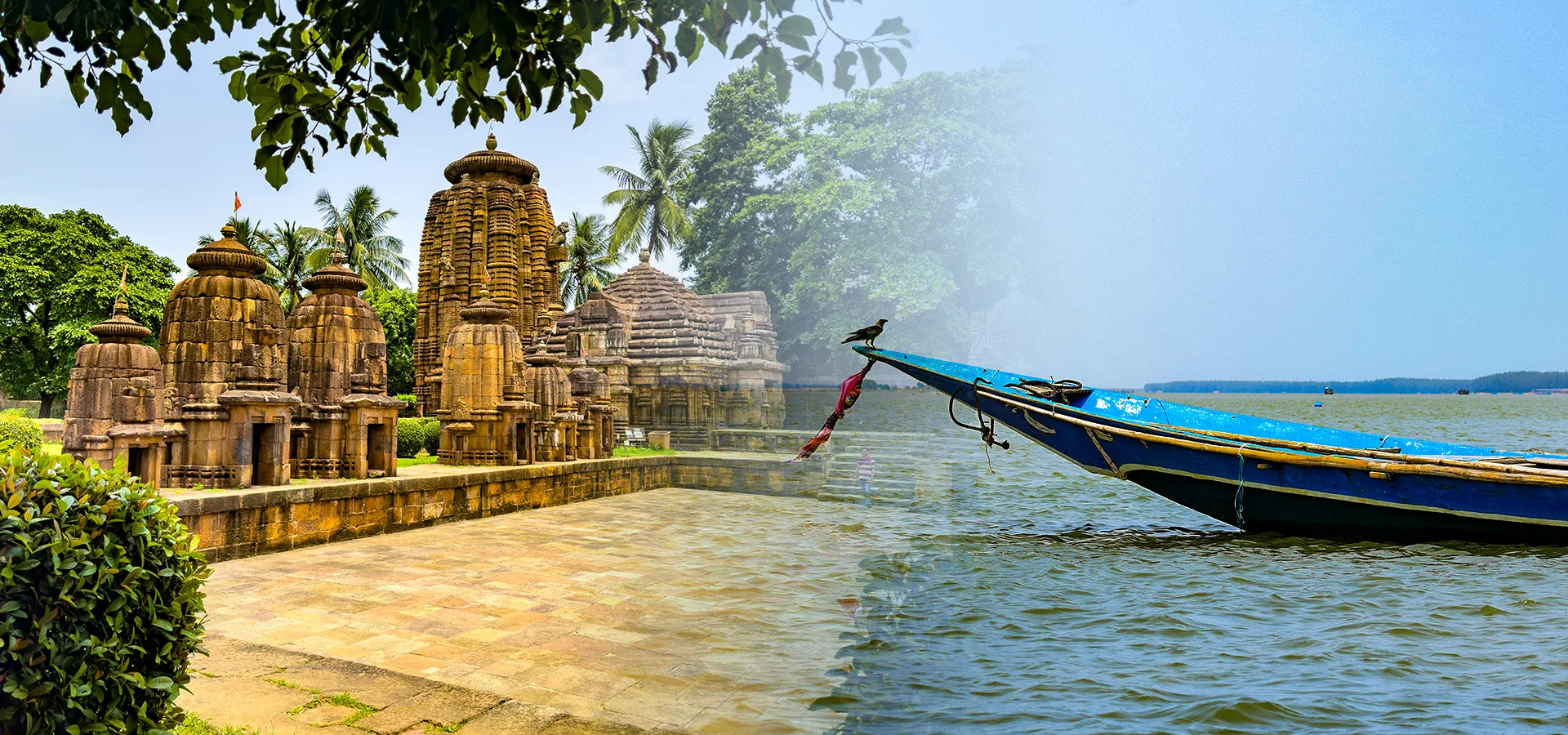
Odisha's coastline and interior hold a remarkable range of experiences within a single state — Bhubaneswar, the 'Temple City', once held an estimated 7,000 shrines, and today still carries a thousand years of Kalinga temple architecture across its ancient core.
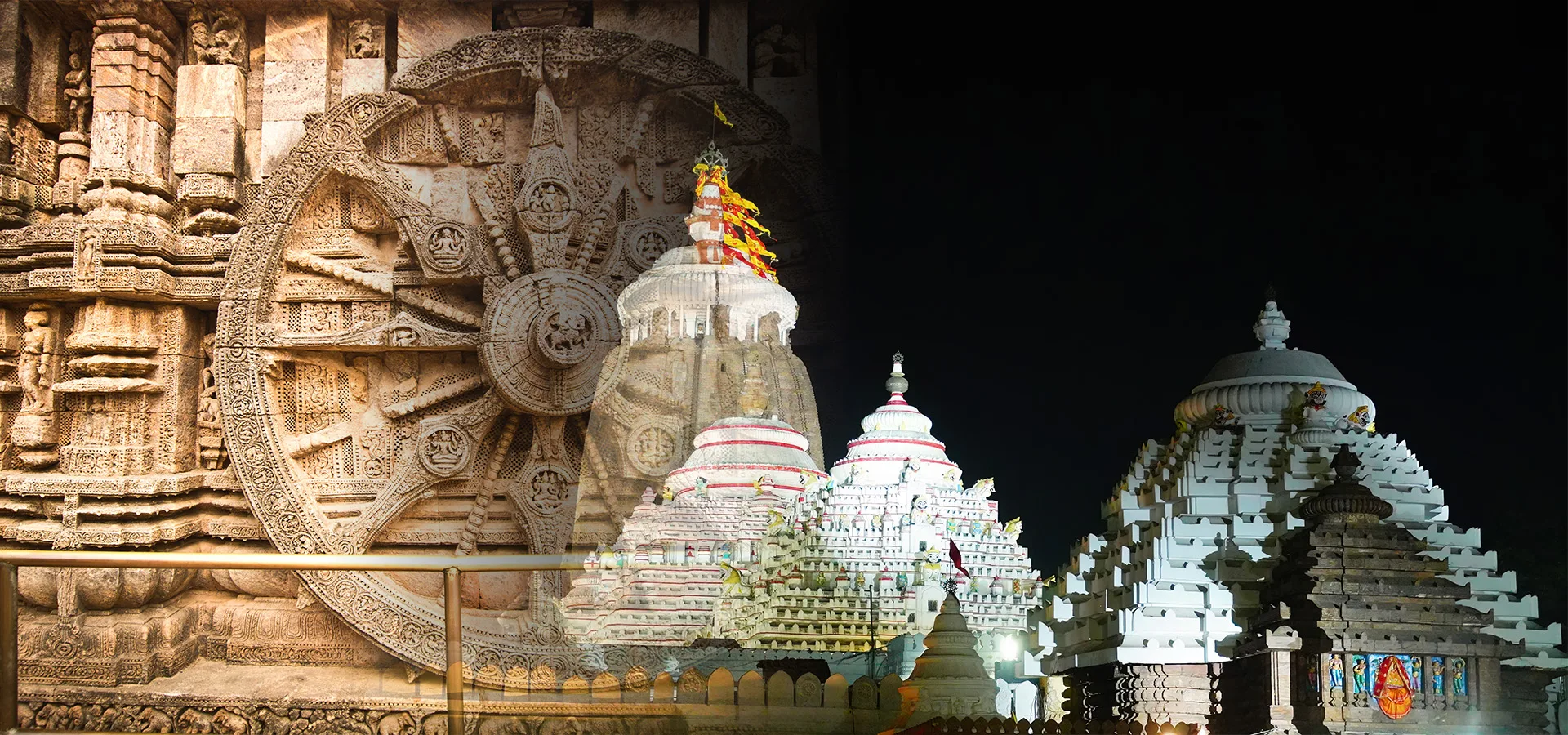
The UNESCO World Heritage Konark Sun Temple, built in the 13th century as a giant stone chariot dedicated to the Sun God, stands alongside Puri's Jagannath Temple — one of Hinduism's four sacred Char Dham — anchoring what's often called Odisha's Golden Triangle.
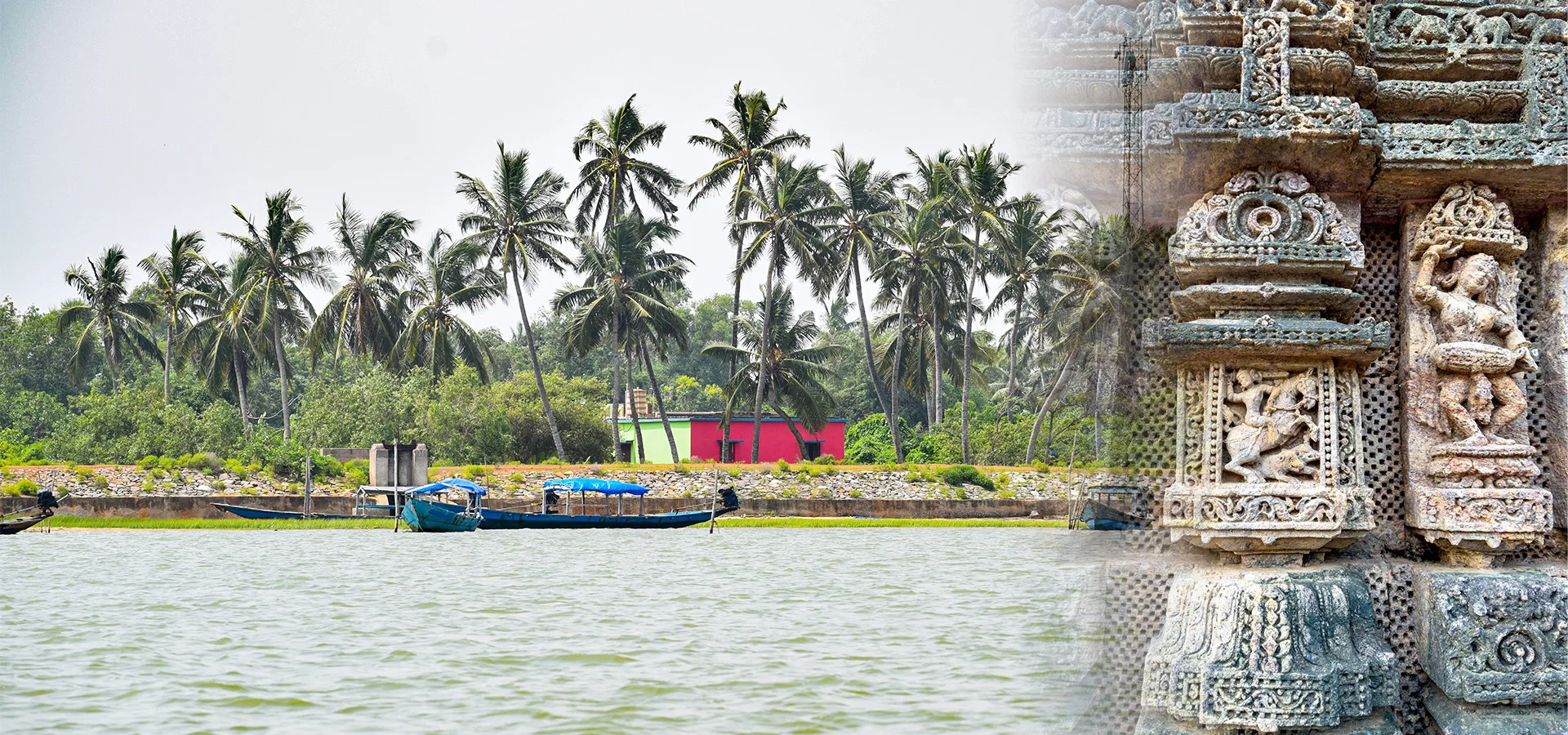
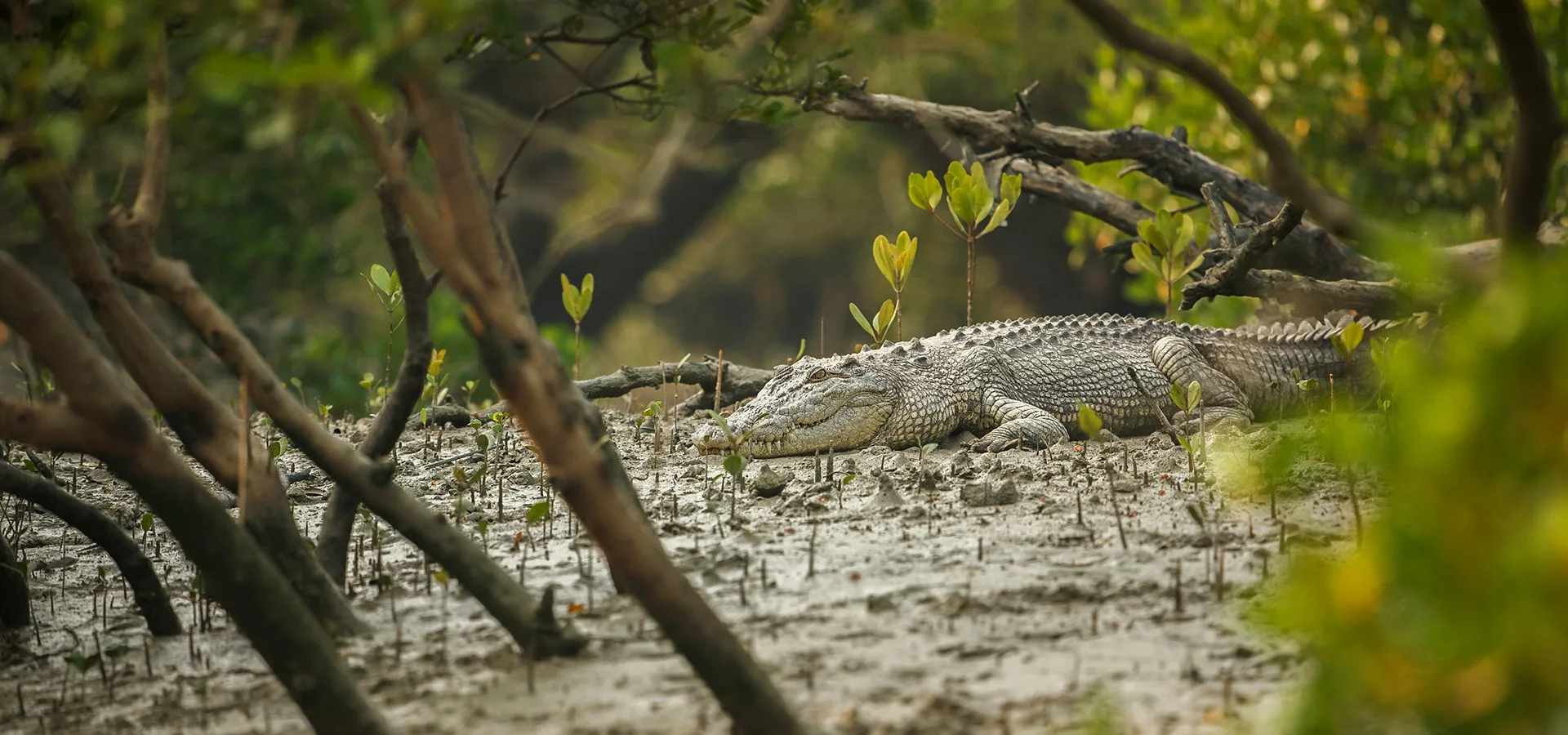
Beyond the temples, Chilika Lake — Asia's largest brackish water lagoon — holds one of only two populations of Irrawaddy dolphins on earth, while Bhitarkanika's mangrove forests shelter India's largest population of saltwater crocodiles, giving Odisha a genuinely distinct character among India's eastern states.
Six reasons Odisha remains one of India's most underrated states
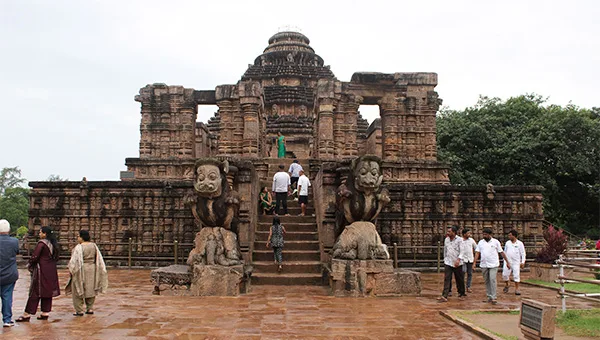
A UNESCO World Heritage 13th-century masterpiece built in the form of a giant stone chariot, its wheels and horses carved in extraordinary detail, dedicated to the Sun God.
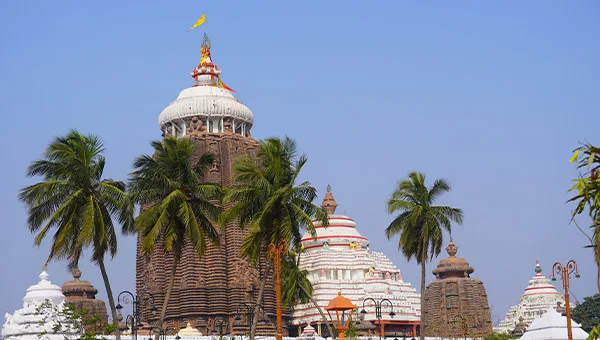
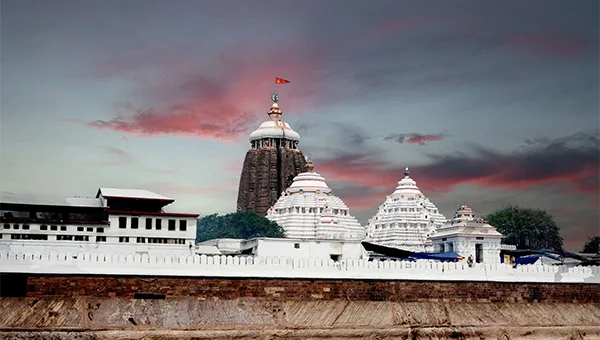
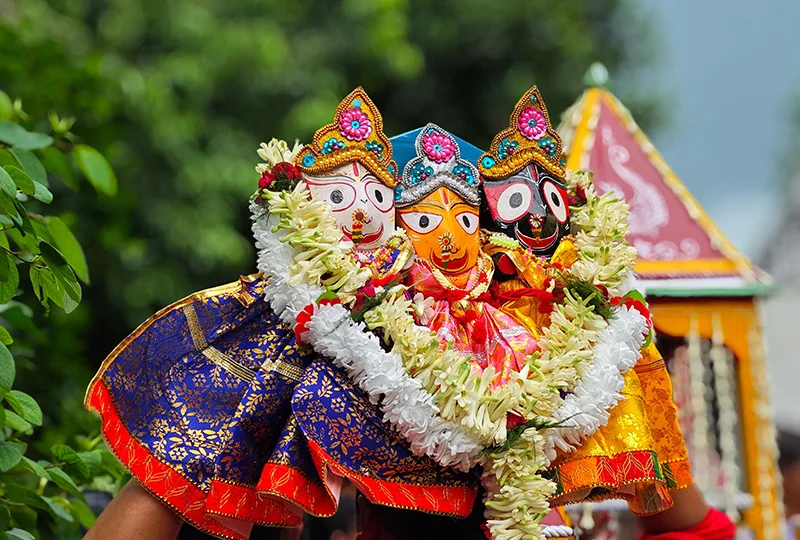
One of the four sacred Char Dham of Hinduism, and the origin point of the annual Rath Yatra chariot festival, drawing over a million pilgrims each year.
Asia's largest brackish water lagoon, and one of only two lagoons on earth home to the rare, round-headed Irrawaddy dolphin, alongside vast winter migratory bird colonies.
India's second-largest mangrove forest and largest population of saltwater crocodiles, explored by boat safari through narrow tidal creeks.
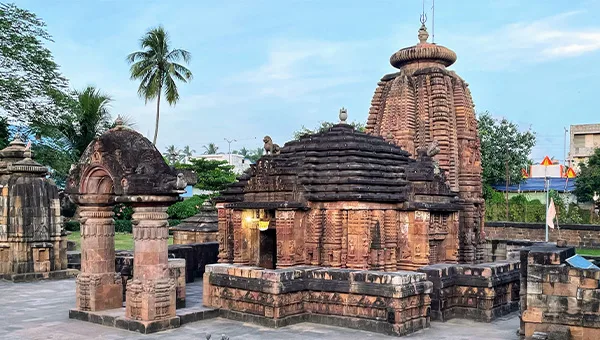
A concentration of Kalinga-era temple architecture spanning a thousand years — the Lingaraj, Rajarani, and Mukteswar Temples, and the 2,000-year-old Udayagiri Jain caves.
Nicknamed the 'Kashmir of Odisha', this little-known Eastern Ghats hill station grows coffee under pine forest cover, with waterfalls and Kondh tribal villages nearby.
Odisha's coastal plains and Bay of Bengal exposure make the winter months by far the most comfortable time to visit.
Comfortable, dry conditions across the temple circuit, Chilika Lake, and Bhitarkanika. Daytime temperatures of 18–28°C — the best window for both heritage sightseeing and wildlife boat safaris.
Warming up but still manageable inland; a good time for Daringbadi's cooler hill climate. Coastal humidity begins building toward summer.
Very hot pre-monsoon (April–June can exceed 40°C), followed by heavy monsoon rain from June onward — both sightseeing and Bhitarkanika's mangrove access are significantly affected.
Odisha's capital holds one of India's most remarkable concentrations of temple architecture, spanning a thousand years of continuous Kalinga-style building.
The Lingaraj, Rajarani, and Mukteswar Temples, alongside the 2,000-year-old Udayagiri and Khandagiri Jain caves, make Bhubaneswar a living museum of Odishan architectural evolution.
Home to the sacred Jagannath Temple, one of Hinduism's four Char Dham, and origin point of the annual Rath Yatra — one of the world's largest chariot festivals.
Beyond the temple, Puri's long Bay of Bengal beach and lively evening market give the town a genuinely dual character — profound pilgrimage and relaxed coastal town.
The UNESCO World Heritage Sun Temple, built in the 13th century in the form of a colossal stone chariot with intricately carved wheels, pulled by seven horses.
Though partially ruined, Konark remains one of India's most extraordinary single monuments, and a short, essential add-on to any Bhubaneswar-Puri itinerary.
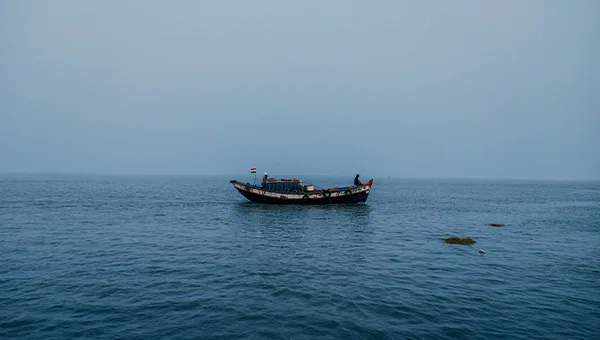
A vast brackish water lagoon separating the Bay of Bengal from the mainland, and one of only two places on earth where the rare Irrawaddy dolphin survives.
Winter brings vast flocks of migratory birds from as far as Siberia to Nalbana Bird Sanctuary, making a boat cruise here one of Odisha's most rewarding natural experiences.