Goa spent 450 years under Portuguese rule — longer than almost any other European colony in Asia — and that history still shapes everything from its whitewashed baroque churches to its Konkani-Portuguese cuisine and unmistakably laid-back pace.
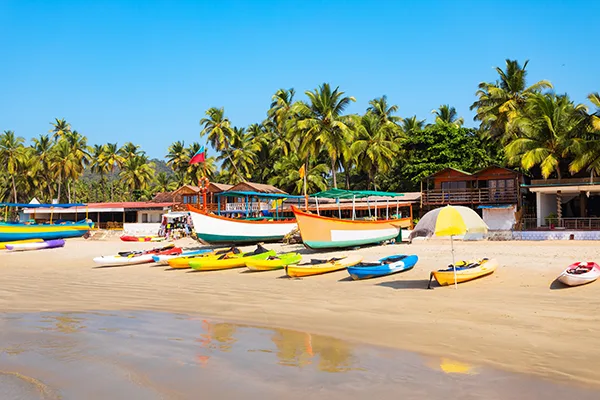
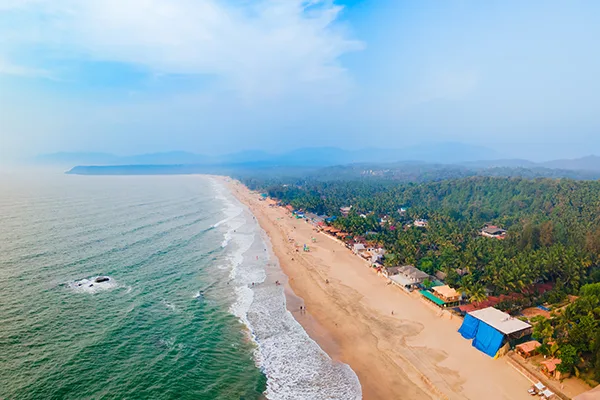
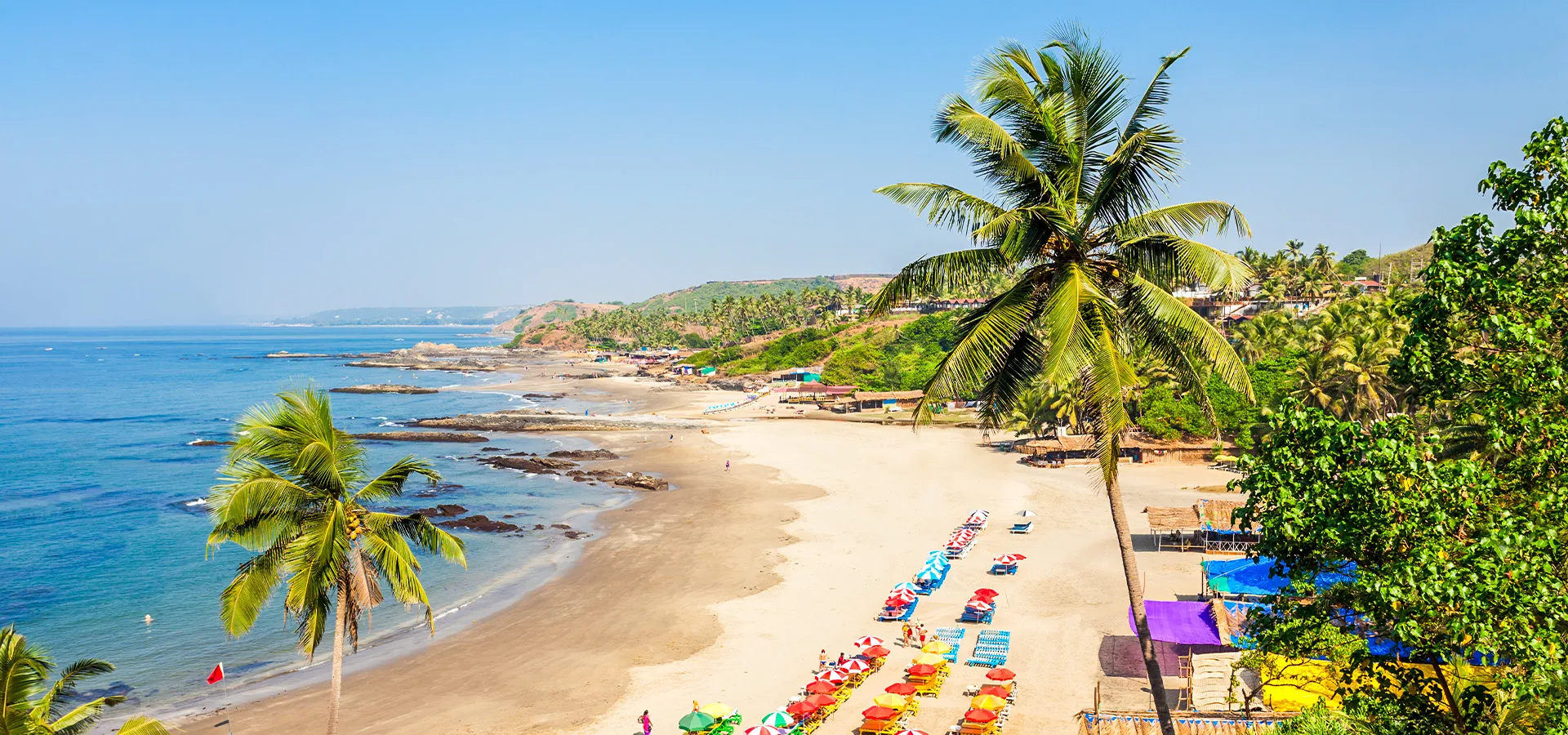
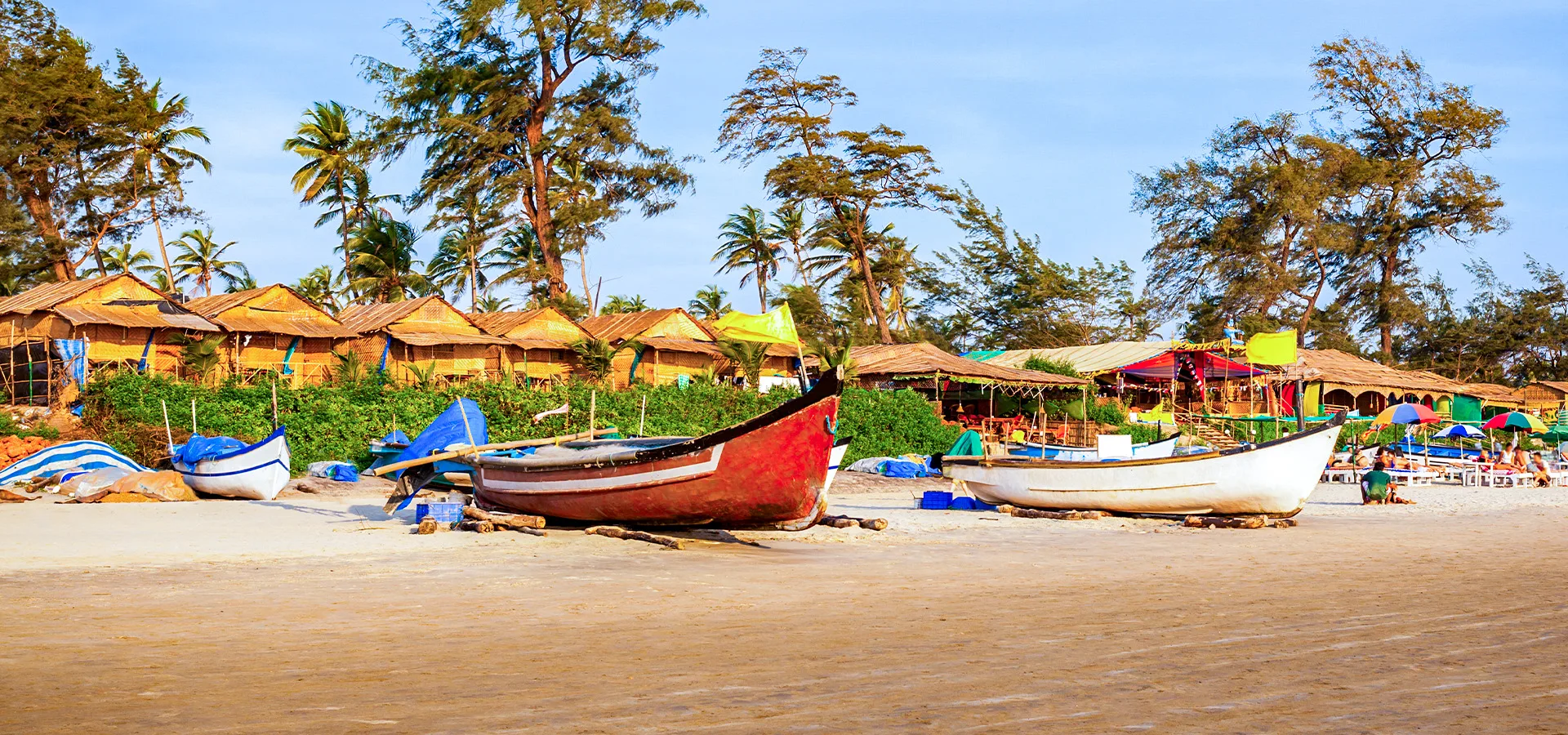
North Goa's Baga, Calangute, and Anjuna beaches carry the state's famous nightlife and beach-shack culture, while South Goa's Palolem and Agonda offer a quieter, more upscale alternative with the same golden sand and Arabian Sea sunsets.
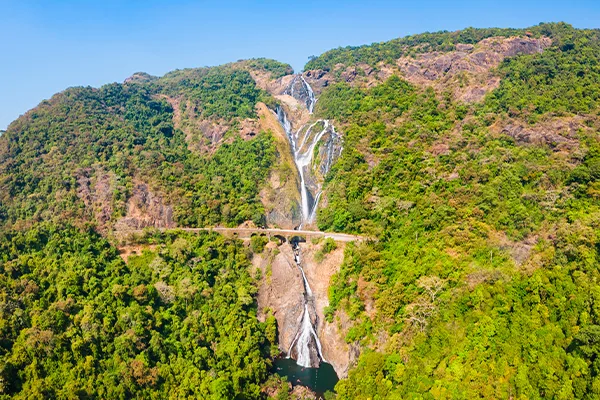
Beyond the coastline, Old Goa's UNESCO World Heritage churches — including the Basilica of Bom Jesus, resting place of St. Francis Xavier — and the thundering, four-tiered Dudhsagar Falls give Goa a genuine heritage and nature dimension well beyond its beach-holiday reputation.
Six reasons Goa remains India's most beloved coastal escape
Baga, Calangute, and Anjuna — Goa's liveliest stretch of coast, with beach shacks, sunset markets, and the state's famous nightlife scene.
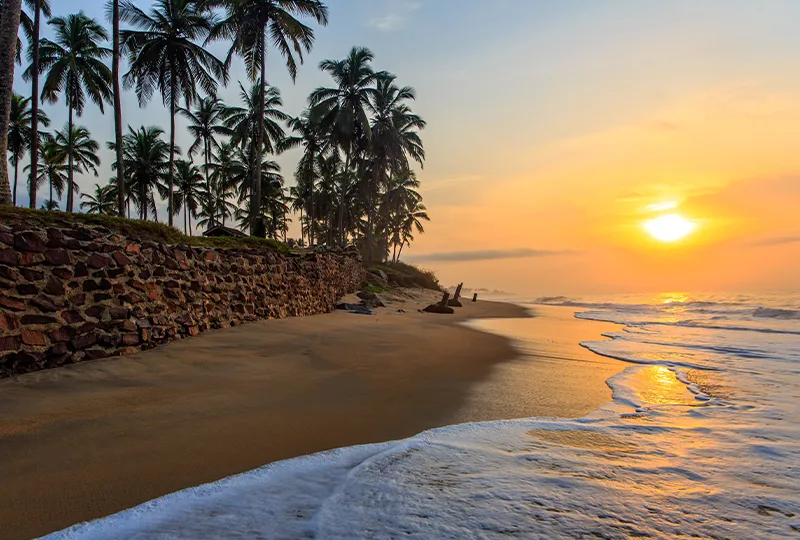
Palolem and Agonda's calmer, palm-fringed beaches offer the same golden sand with a distinctly more relaxed, upscale pace than the north.
The Basilica of Bom Jesus, resting place of St. Francis Xavier, alongside Se Cathedral — among the finest examples of baroque architecture in Asia.
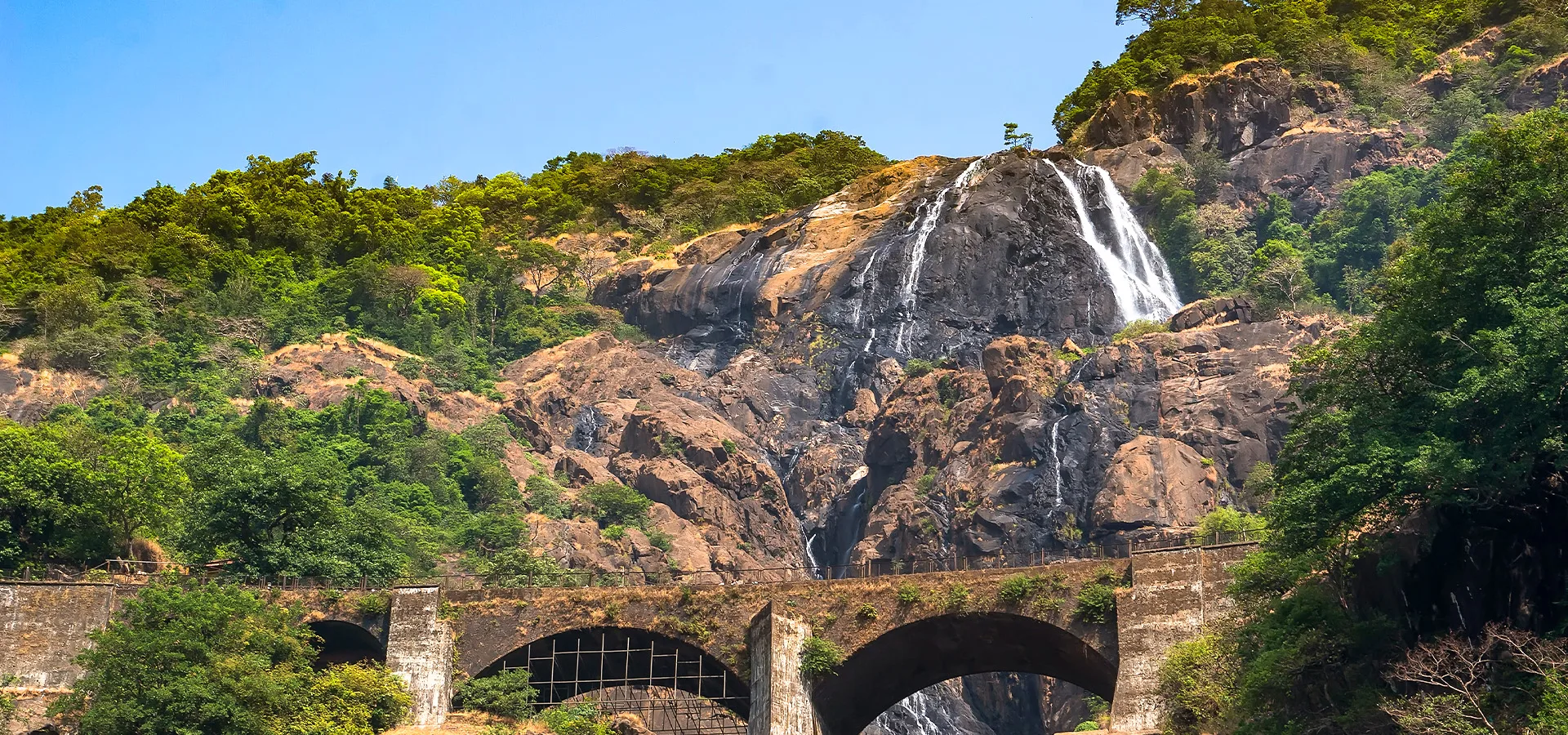
A thundering, four-tiered waterfall on the Goa-Karnataka border, reached by jeep safari through the Bhagwan Mahavir Wildlife Sanctuary.
A relaxed evening cruise with live music, taking in Panjim's riverside skyline as the sun sets over the water.
Vindaloo, xacuti, and fresh Arabian Sea seafood — a cuisine shaped by 450 years of Portuguese trade alongside Konkani coastal tradition.
Goa's tropical coastal climate makes the winter months the clear, comfortable window for beach time and sightseeing alike.
Dry, sunny, and comfortable — daytime temperatures of 24–32°C, with calm seas ideal for swimming and water sports. Goa's most popular and liveliest season.
Still pleasant with fewer crowds than peak season, though slightly warmer and occasionally humid at the shoulder edges.
The southwest monsoon brings heavy rain and rough seas — most beach shacks close for the season, though Dudhsagar Falls is at its most spectacular.
Baga, Calangute, and Anjuna form Goa's most energetic stretch of coastline — beach shacks, sunset flea markets, and the state's renowned nightlife scene.
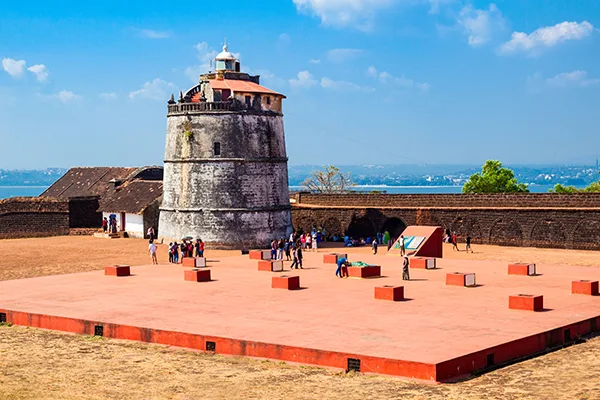
Fort Aguada's clifftop views and Chapora Fort's dramatic headland add a layer of Portuguese-era history to the beach-holiday atmosphere.
Palolem and Agonda offer the same golden Arabian Sea coastline as the north, at a noticeably calmer, more upscale pace.
Palm-fringed bays, boutique beach resorts, and a far lower density of beach shacks make South Goa the choice for travellers seeking relaxation over nightlife.
Once the capital of Portuguese India and among Asia's grandest cities, Old Goa's churches remain a UNESCO World Heritage Site of baroque architecture.
The Basilica of Bom Jesus holds the remains of St. Francis Xavier, while Se Cathedral is among the largest churches in Asia.
A thundering, four-tiered waterfall on the Goa-Karnataka border, its name meaning 'Sea of Milk' for the way water cascades white against the dark rock face.
Reached by jeep safari through the Bhagwan Mahavir Wildlife Sanctuary, Dudhsagar is at its most dramatic during and just after the monsoon.