Five Shiva Temples, One Ancient Story — The Complete Garhwal Pilgrimage Circuit
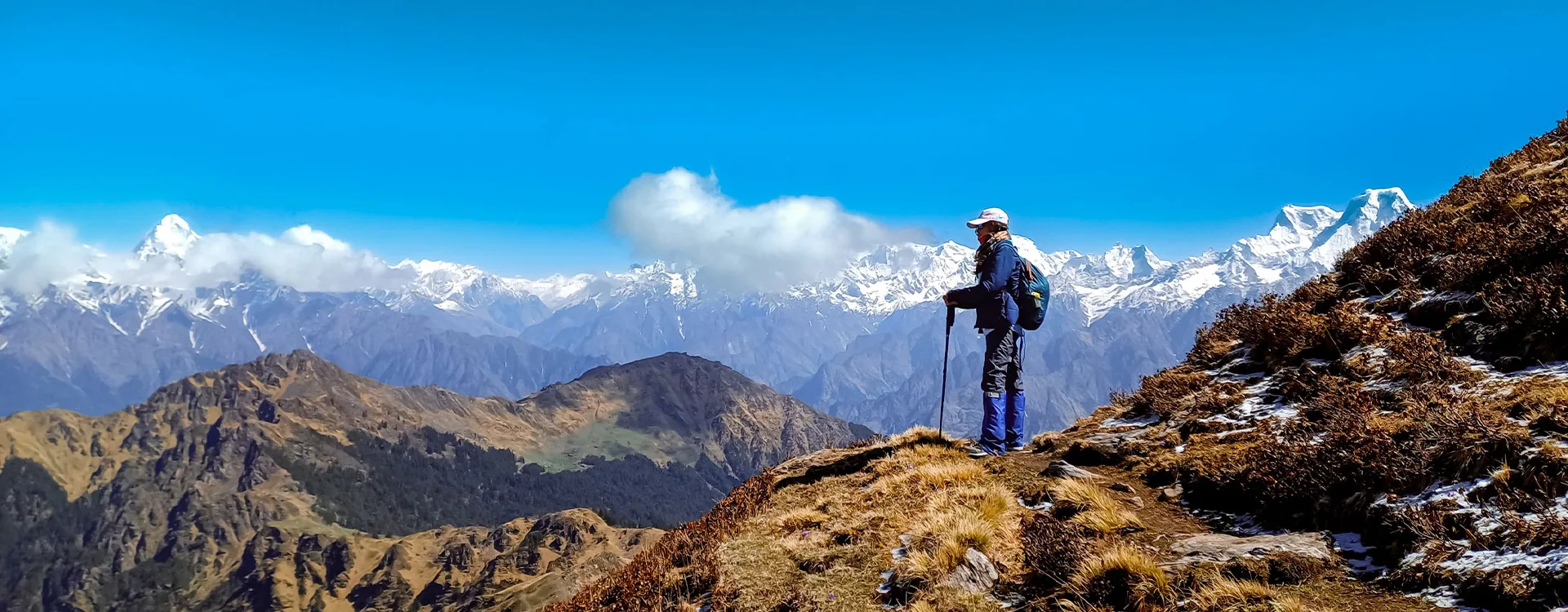
The Panch Kedar Trek is one of the most revered pilgrimages in the Garhwal Himalaya, leading devotees and trekkers alike to five ancient temples dedicated to Lord Shiva — Kedarnath, Madhyamaheshwar, Tungnath, Rudranath, and Kalpeshwar — each believed to mark the spot where a different part of Shiva's body emerged after the Pandavas, seeking penance for the bloodshed of the Kurukshetra War, pursued him in the form of a bull through these very mountains.
The journey opens at Kedarnath (3,583m), the most sacred of the five and one of the twelve Jyotirlingas of Shiva, reached via the well-trodden 16 km trail from Gaurikund. From here, the route turns to Madhyamaheshwar (3,497m) — the 'navel' shrine, set in a quiet valley framed by snow peaks, reached via Ukhimath and the village of Ransi.
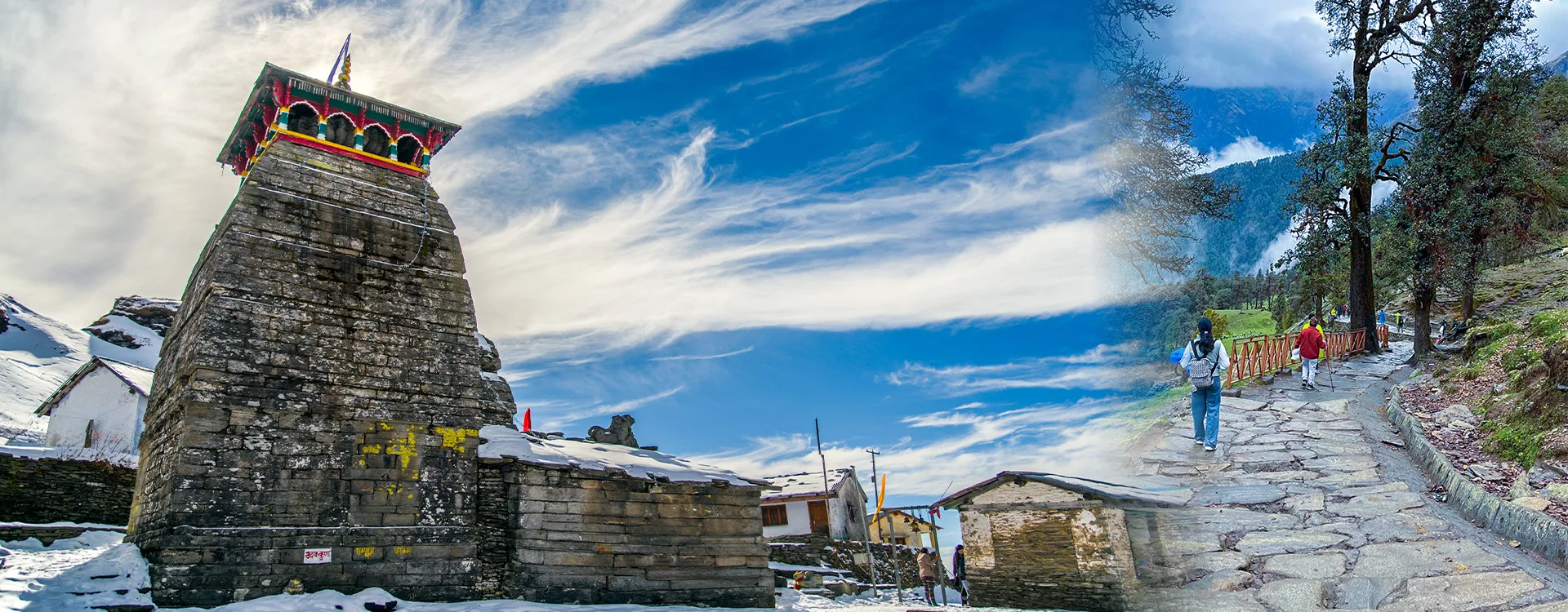
Chopta, fondly nicknamed the 'Mini Switzerland of India', is the gateway to Tungnath (3,680m) — the highest Shiva temple in the world — and the Chandrashila summit beyond it, with panoramic views of Nanda Devi, Trishul, and Chaukhamba. The trail then turns toward Rudranath (2,286m), widely considered the most physically demanding of the five Kedars, reached via the high alpine pasture of Panar Bugyal after a long and genuinely testing ascent.
The pilgrimage concludes at Kalpeshwar (2,200m) in the Urgam Valley — the only one of the five temples accessible year-round, set within a natural cave and reached by a short, gentle walk — before the return drive to Rishikesh, completing a circuit of roughly 110-130 km on foot across fourteen days through some of the most sacred and least-commercialised terrain in the Indian Himalaya.
What makes this journey special
Your journey, unfolded
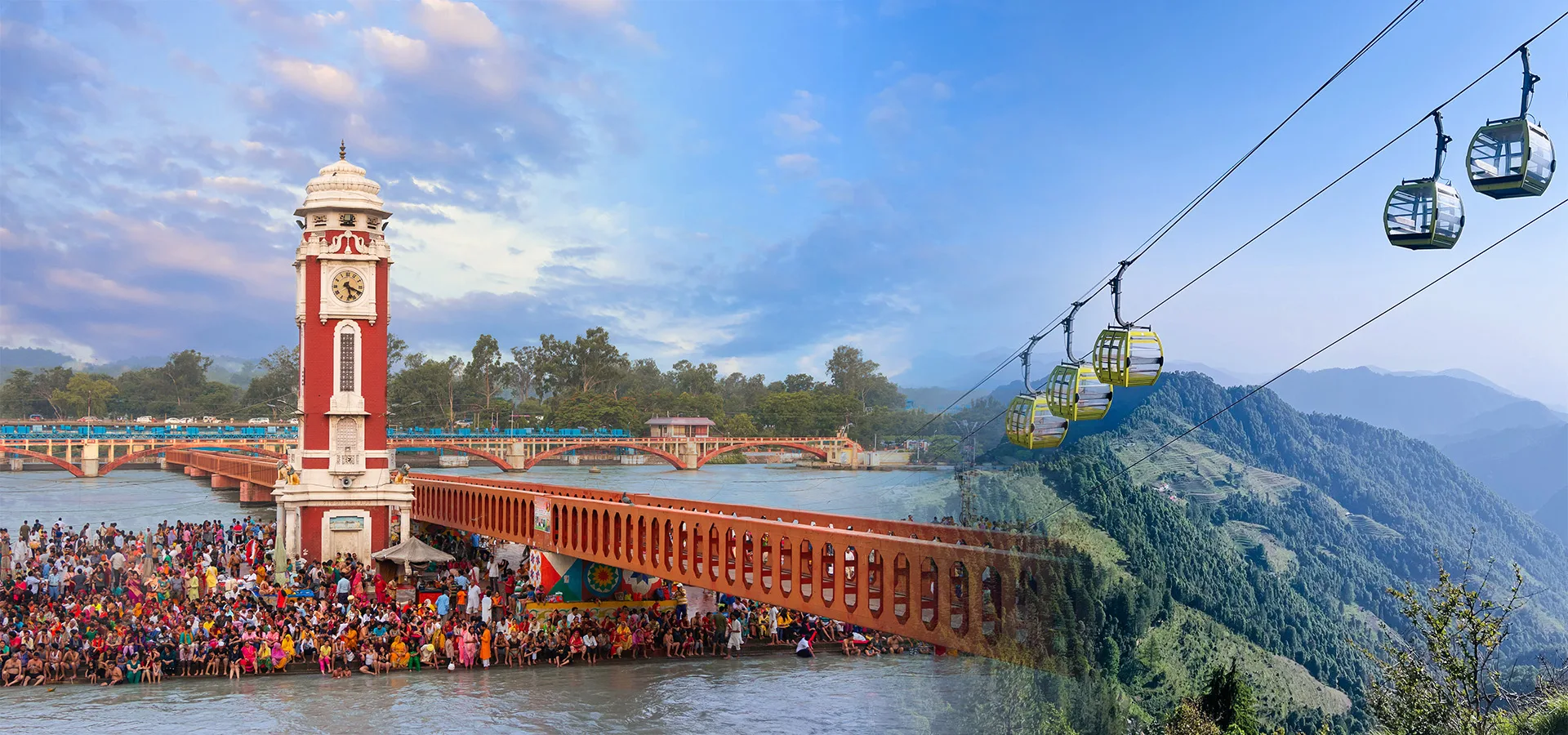
Meet our representative at Rishikesh early in the morning and begin the drive to Guptkashi, the gateway town for the Kedarnath trek (approximately 206 km, 7-8 hrs), following the Ganga and Alaknanda rivers through winding, pine-lined roads. Check in to your hotel on arrival, with the evening free to rest and prepare for the trek ahead.
Early morning drive from Guptkashi to Sonprayag/Gaurikund (30 km, ~1 hr). From Gaurikund, begin the 16 km trek to Kedarnath (3,583m) — a well-maintained pilgrim trail climbing steadily alongside the Mandakini River, passing Rambara and Linchauli en route. Arrive at Kedarnath by late afternoon and check in to your guesthouse. Evening darshan at the temple, one of the twelve Jyotirlingas of Shiva and the most sacred of the Panch Kedar.
A full day at Kedarnath to properly absorb the temple's profound atmosphere — morning darshan, with time to explore the surrounding glacial landscape and the Bhairavnath Temple nearby. For those wanting an additional, more strenuous excursion, an optional side trek to Vasuki Tal (a high-altitude glacial lake at around 4,135m, roughly 6 km one way) offers a dramatic close-up of the Kedarnath massif. Rest of the day at leisure.
Descend the 16 km trail back to Gaurikund, then drive to Ukhimath (approximately 35 km, ~1.5 hrs) — the winter seat of the Kedarnath deity at the Omkareshwar Temple, and the gateway town for the Madhyamaheshwar trek. Check in to your hotel, with the evening free to visit Omkareshwar Temple and rest ahead of the next trekking leg.
Drive from Ukhimath to Ransi village (approximately 14 km), the starting point for the Madhyamaheshwar trek. Begin the trek through dense forest and the village of Gaundhar, climbing steadily toward Madhyamaheshwar (3,497m) — the 'navel' shrine of the Panch Kedar, set in a serene high valley surrounded by snow-capped peaks. Arrive by evening and check in to your guesthouse.
A full day at Madhyamaheshwar — visit the ancient temple, hundreds of years old, with a close look at its weathered stone architecture, and explore the surrounding high-altitude meadows. The valley's quiet, snow-ringed setting makes this one of the most peaceful stops on the entire circuit. Rest of the day at leisure.
Trek back down to Ransi, retracing the route through Gaundhar village, then drive to Chopta via Ukhimath — known across India as the 'Mini Switzerland of India' for its rolling meadows and dense rhododendron and oak forest. Check in to your hotel, with the evening free to enjoy Chopta's cool mountain air ahead of tomorrow's Tungnath trek.
A short but steep ascent from Chopta to Tungnath (3,680m, approximately 4 km) — the highest Shiva temple in the world, believed to be over 1,000 years old and built by Arjuna. Continue a further kilometre to the summit of Chandrashila (3,700m+) for one of the finest panoramic views in the entire Garhwal Himalaya — Nanda Devi, Trishul, Chaukhamba, Kedarnath, and Bandarpunch all visible on a clear day. Descend back to Chopta by the same trail.
Drive from Chopta to Sagar village (approximately 38 km) — the starting point for the trek to Rudranath, widely regarded as the most physically demanding of the five Panch Kedar treks. Check in to your guesthouse, with the evening free to rest ahead of the most challenging stretch of the entire circuit.
Begin the trek from Sagar village, passing through peaceful alpine meadows and terraced fields where finger millet grows, climbing steadily through dense forest toward Panar Bugyal (approximately 3,000m) — a stunning high-altitude pasture and the overnight base for the Rudranath summit push. Overnight camp in tents amid the open meadow.
A challenging and deeply spiritual day. Trek from Panar Bugyal to Rudranath Temple (2,286m) — set against dramatic Himalayan backdrops and surrounded by sacred kunds (ponds) including Surya Kund and Tara Kund. This is considered the toughest of all five Panch Kedar treks, with a demanding ascent through alpine pasture. After darshan at the temple, where Shiva's face is believed to have appeared, return to Panar Bugyal for an overnight rest.
Trek back down from Panar Bugyal to Sagar village, then drive to Pipalkoti (approximately 60 km) — the base for the final Panch Kedar shrine, Kalpeshwar. Check in to your hotel, with the evening free to rest ahead of tomorrow's final, short trek.
Drive from Pipalkoti via Helang into the Urgam Valley — known for its apple orchards and terraced potato fields — to the village of Devgram. From here, a short and gentle walk (approximately 2 km, 1 hour) leads to Kalpeshwar (2,200m), the final and only Panch Kedar temple accessible throughout the year, uniquely set within a natural cave with the Kalp Ganga river and cascading waterfalls nearby. Believed to mark the spot where Shiva's matted locks (jata) emerged, this is the gentlest and most contemplative of all five darshans. Optionally visit the nearby Dhyan Badri temple before returning to Pipalkoti for the night.
After an early breakfast, depart for the drive back to Rishikesh, retracing the Alaknanda valley road (approximately 220 km, 7-8 hrs), arriving by early evening. With all five Panch Kedar shrines now complete, this brings to a close one of the most spiritually and physically rewarding pilgrimage circuits in the Indian Himalaya. Transfer to your onward train, flight, or hotel in Rishikesh/Haridwar/Dehradun. Tour concludes.
Inclusions & Exclusions
Included ✓
- ✓ 13 nights accommodation on twin/triple-share basis (hotels, guesthouses & tented camps)
- ✓ All meals throughout the trek (breakfast, lunch & dinner from Day 2 onward)
- ✓ Private chauffeur-driven vehicle for all road transfers
- ✓ Professional trek leader, experienced local guides & support staff
- ✓ High-altitude cook and camping equipment for the Panar Bugyal section
- ✓ Porters/mules for trek luggage on the major trekking days
- ✓ Forest entry permits and temple darshan arrangements
- ✓ 1 bottle of mineral water per person per day
- ✓ All applicable Indian GST
Not Included ✗
- ✗ International/domestic airfare or train fare to/from Delhi or Dehradun
- ✗ Travel insurance (strongly recommended for high-altitude trekking)
- ✗ Personal trekking gear (sleeping bags, trekking poles, etc. — rental available locally)
- ✗ Mule/pony hire for personal use beyond standard luggage allowance (payable locally)
- ✗ Entrance fees / camera charges at temples and attractions
- ✗ Tipping for trek staff, guides & porters — customary and appreciated
- ✗ Laundry, drinks, and items of a personal nature
Your questions, answered
The five Kedars vary considerably in difficulty. Kedarnath and Madhyamaheshwar are moderate — well-trodden trails, gradual ascents, and good infrastructure along the way. Tungnath is the easiest, a short, scenic climb suitable for most reasonably fit trekkers. Rudranath is widely regarded as the toughest of the five — a long, demanding ascent through alpine pasture with significant elevation gain over a single day, requiring genuine prior trekking experience and strong fitness. Kalpeshwar, the final shrine, is the gentlest of all. We recommend this full circuit only for trekkers comfortable with multiple consecutive days of sustained high-altitude walking.
May to June (pre-monsoon) and September to October (post-monsoon) are the two recommended windows, when all five temples are open, weather is most stable, and the trails are clear of snow. The temples themselves are only accessible roughly from late April/early May (Akshaya Tritiya) through October/November (around Diwali) — during winter, the deities are ceremonially relocated to their respective winter seats (Kedarnath to Ukhimath, Tungnath to Mukunath, Rudranath to Gopeshwar, Madhyamaheshwar also to Ukhimath), and the high-altitude trails become inaccessible. Kalpeshwar alone remains open and accessible year-round.
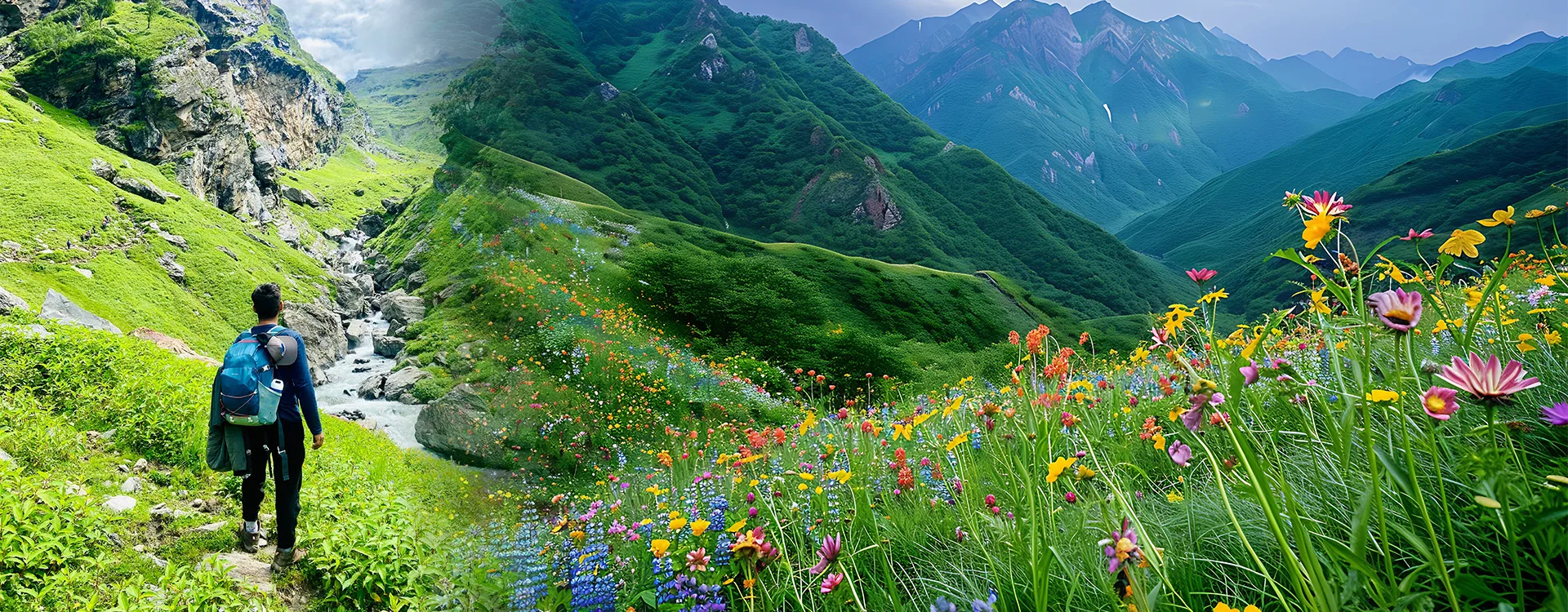
Yes — while individual sections like Tungnath and Kalpeshwar are beginner-friendly, the cumulative demand of 13-14 consecutive days of trekking, several of them at high altitude with significant elevation gain (particularly Rudranath), means we recommend this complete circuit only for trekkers with at least some prior multi-day trekking experience and good cardiovascular fitness. If you are newer to trekking, our shorter Valley of Flowers Trek or a standalone Kedarnath/Tungnath itinerary may be a more suitable starting point.
Yes — some trekkers choose to complete the Panch Kedar circuit in two or three separate trips rather than one continuous 12-day expedition, particularly given Rudranath's demanding nature. We can also adjust the route sequence (some operators begin with Kalpeshwar and finish at Kedarnath) to suit logistics or seasonal trail conditions. Submit an enquiry and our specialists can discuss the best approach for your fitness level and available time.
Forest department entry permits are required for several sections of this trek (particularly around Rudranath and the high-altitude bugyals), which we arrange on your behalf as part of the booking process. Please provide ID details well in advance of your trek dates. A local guide is strongly advisable — and effectively mandatory in practice — for the Rudranath section given its remoteness and the number of route options.
October to March is ideal — comfortable temperatures (15–28°C), clear skies, and the best conditions for sightseeing, fort treks, and wildlife safaris. April–June brings intense heat (up to 45°C); July–September is monsoon, with some relief from the heat but reduced safari access in the tiger reserves.
Absolutely. Every Discover India tour is fully private and built around your preferences. We can adjust the duration, swap destinations, change hotel categories, or add extensions. Submit an enquiry and our specialists will redesign the itinerary for you at no obligation.
We include carefully selected 4-star and 5-star hotels throughout — heritage havelis, palace hotels, and well-appointed properties near the wildlife reserves, all personally vetted by our team. Upgrades to palace hotels or luxury tented camps are available on request.
Most nationalities can apply for an Indian e-Visa online at indianvisaonline.gov.in. Processing typically takes 3–5 business days and costs $25–$80 USD depending on your nationality. Apply at least 2 weeks before travel.
Cancellations 60+ days before departure receive a full refund minus a small admin fee. 30–59 days: 75% refund. 15–29 days: 50% refund. Under 15 days: no refund. We strongly recommend comprehensive travel insurance.