Madhya Pradesh · City Guide

Gwalior

8th c.Fort's Earliest Origins
6Must-See Sights
Oct–MarBest Season
Region
Madhya Pradesh, Central India
Nickname
The Gibraltar of India
Nearest Airport
Gwalior Airport (GWL)
Ideal Stay
1–2 Days
Known For
Hilltop Fort · Jain Rock Carvings · Tansen's Music Legacy

A fortress so formidable,
it earned a colonial nickname

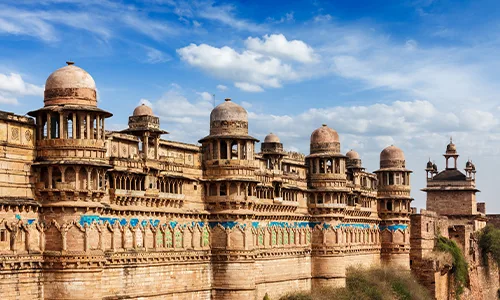
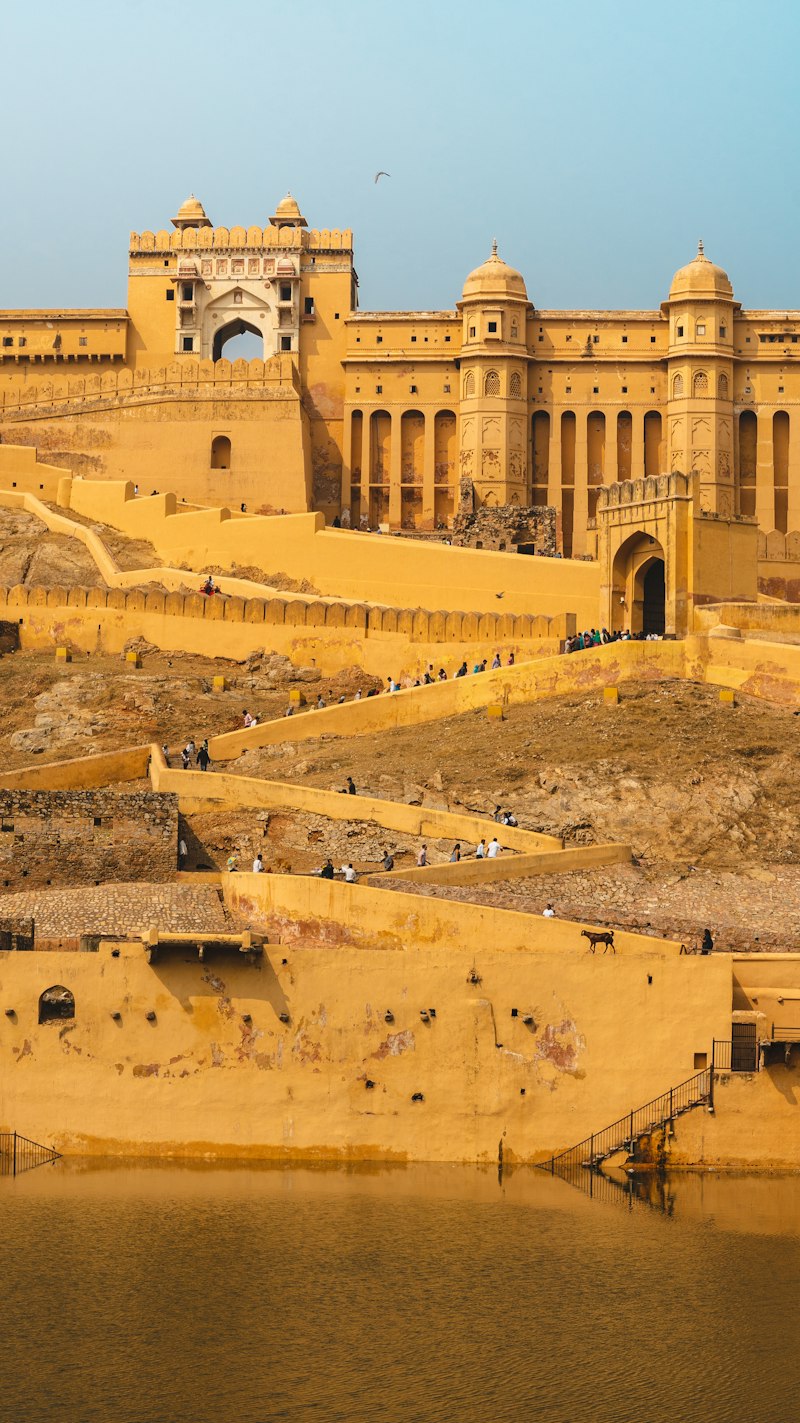
Gwalior Fort, rising on a sandstone plateau above the city, has origins traced to at least the 8th century CE and was fought over by virtually every major power in central Indian history — Tomars, Mughals, Marathas, and finally the British, who were sufficiently impressed by its defences to nickname it 'the Gibraltar of India'.

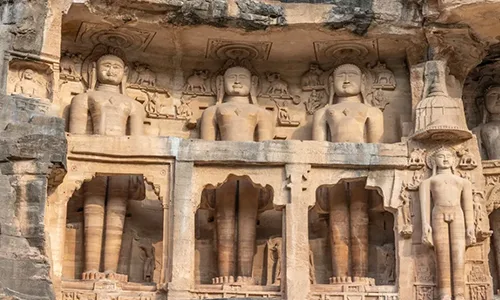
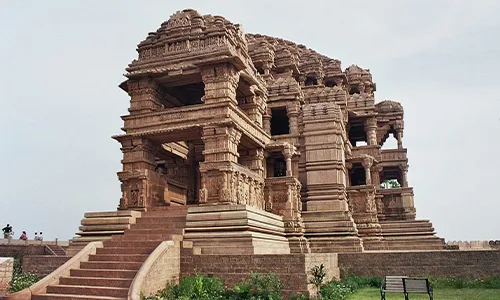
Within the fort complex, the Sas-Bahu Temples and the Teli ka Mandir showcase architectural styles centuries apart, while a series of monumental Jain rock-cut sculptures — some over 17 metres tall — are carved directly into the cliff face below the ramparts, among the largest such carvings in India.

Gwalior is equally significant in Indian classical music history as the home of Tansen, one of the nine legendary court musicians ('Navaratnas') of Emperor Akbar, and the city hosts an annual music festival in his honour that draws performers from across the country.

Gwalior
When to Visit

Best time to visit Gwalior

Gwalior's central Indian location gives it a climate broadly similar to Delhi and Agra, with hot summers and pleasant winters.

October – March (Peak Season)

Cool and comfortable (10–26°C), ideal for the considerable amount of walking and climbing involved in exploring the fort complex thoroughly.

Recommended

September (Shoulder Season)

Post-monsoon, with the surrounding landscape green and temperatures beginning to moderate.

Good

April – June (Summer)

Very hot, regularly exceeding 42–44°C — fort exploration becomes genuinely difficult outside early morning.

Avoid
Best time to visit

Places to see

Six landmarks — the fort, temples, and rock carvings — that define a visit to Gwalior.

Gwalior Fort Fort
01

Gwalior Fort

A hilltop fortress with origins from at least the 8th century, fought over by Tomars, Mughals, Marathas, and the British — nicknamed 'the Gibraltar of India' for its formidable defences.

2.5–3 hrs 📍 City centre 🕗 6 AM – 6 PM
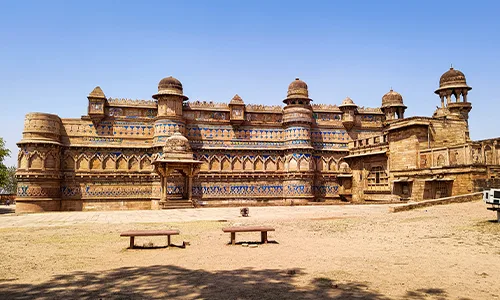
Man Singh Palace Palace
02

Man Singh Palace

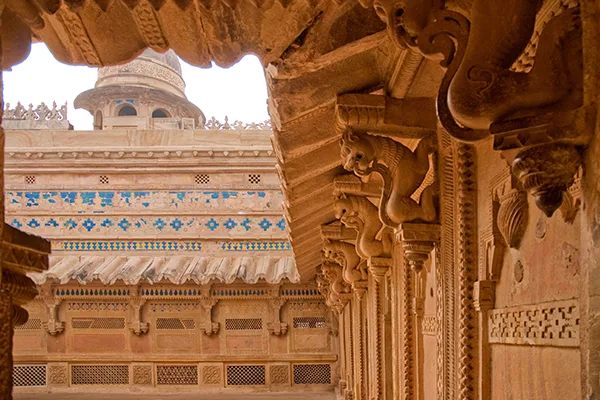
A 15th-century palace within the fort complex, its exterior decorated with vivid blue-tiled friezes of ducks, elephants, and tigers — among the finest surviving Rajput palace facades.

1 hr 📍 Within Gwalior Fort 🕗 6 AM – 6 PM
Jain Rock-Cut Sculptures Sculpture
03

Jain Rock-Cut Sculptures

A series of monumental Jain Tirthankara figures, some over 17 metres tall, carved directly into the fort's cliff face — among the largest rock-cut sculptures in India.

45 min 📍 Fort's Urvai Gate approach 🕗 6 AM – 6 PM
Sas-Bahu Temples Temple
04

Sas-Bahu Temples

Twin 11th-century Vishnu temples within the fort, their names ('mother-in-law, daughter-in-law') reflecting local legend rather than any documented history — intricately carved exteriors.

30–45 min 📍 Within Gwalior Fort 🕗 6 AM – 6 PM
Jai Vilas Palace Museum Museum
05

Jai Vilas Palace Museum

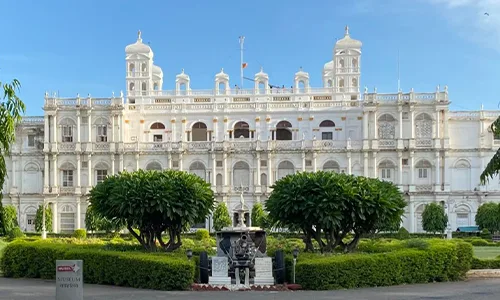
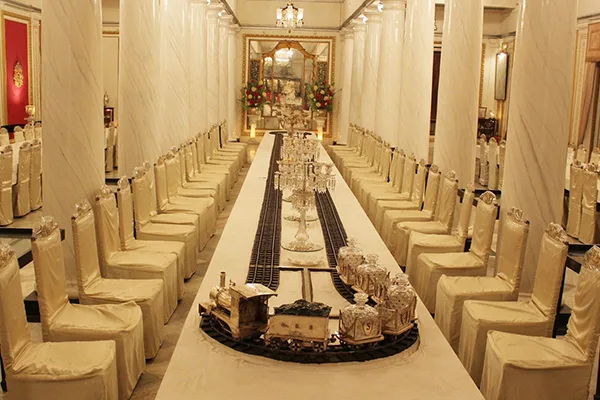
The 19th-century palace of the Scindia royal family, now partly a museum housing one of the world's largest chandeliers and an eccentric silver toy train that once served dinner guests.

1.5 hrs 📍 City centre 🕗 10 AM – 5 PM
Tansen's Tomb & Music Festival Heritage
06

Tansen's Tomb & Music Festival

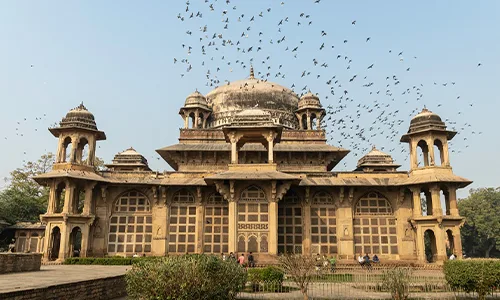
The tomb of Tansen, legendary court musician of Emperor Akbar, set in a quiet garden — the site of the annual Tansen Music Festival each December, drawing classical musicians nationwide.

30–45 min 📍 City centre 🕗 6 AM – 6 PM
Explore by Area

Explore Gwalior further

Gwalior Fort Complex
City Heritage
Around Gwalior

Gwalior Fort Complex

The fort complex rewards a half-day at minimum — Man Singh Palace, the Sas-Bahu Temples, and the Jain rock carvings are all within its walls or immediate approach.

Climbing to the ramparts offers sweeping views over Gwalior city below.

  • Man Singh Palace blue-tile facade
  • Sas-Bahu Temples
  • Jain rock-cut sculptures
  • Fort ramparts panorama
Gwalior Fort Complex

City Heritage Sites

Beyond the fort, Jai Vilas Palace and Tansen's Tomb reveal Gwalior's more recent Scindia-era and musical heritage.

Both sit comfortably within the city itself, easily combined into a single day.

  • Jai Vilas Palace Museum
  • Giant chandelier & silver train
  • Tansen's Tomb
  • Gujari Mahal Archaeological Museum
City Heritage Sites

Around Gwalior

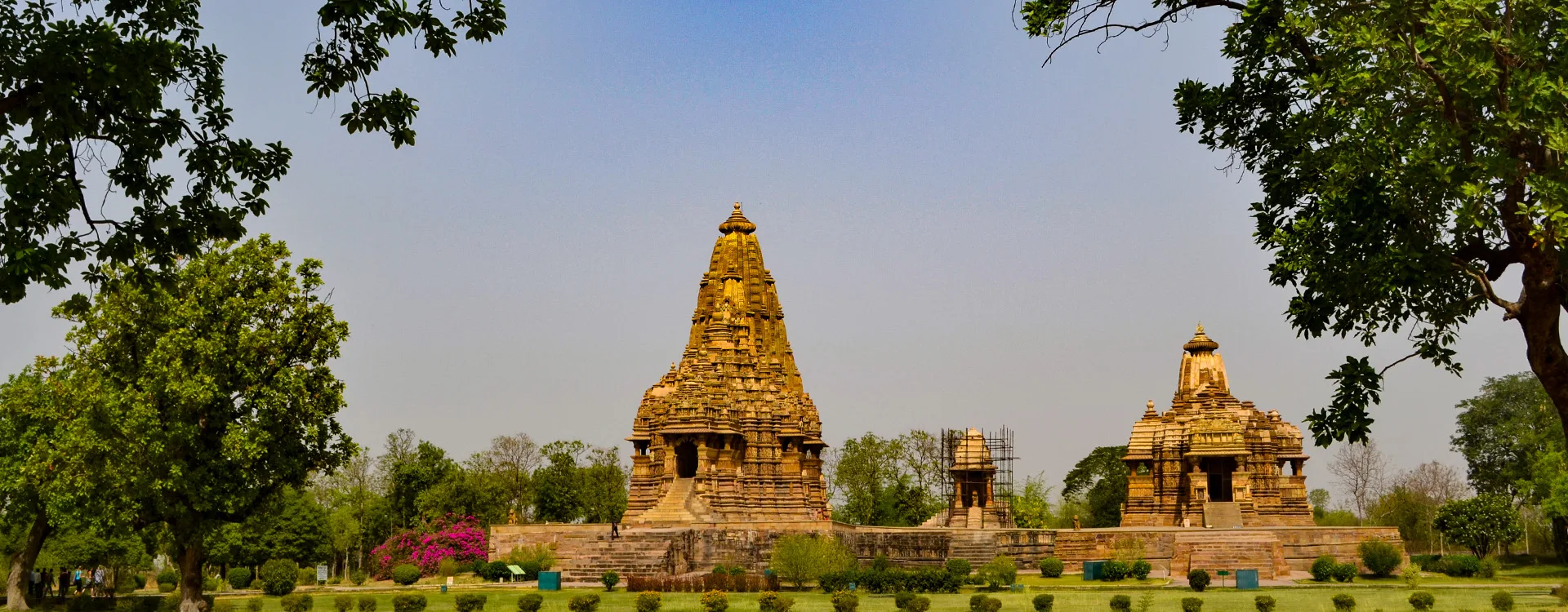
Gwalior makes a natural stop on the route between Agra and Khajuraho or Orchha, allowing travellers to combine multiple Madhya Pradesh heritage sites efficiently.

The city's bazaars also offer good value shopping away from more touristic price points.

  • Sarafa Bazaar
  • Day trip to Orchha (en route)
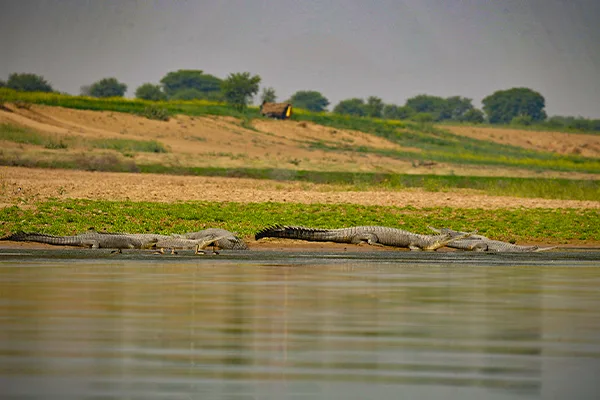
  • Chambal Safari
  • Local handicraft shopping
Around Gwalior
Getting There

How to reach Gwalior

Gwalior sits on the main Delhi-Agra-South India rail corridor, making it an easy addition to a Golden Triangle or central India itinerary.

✈️

By Air

Gwalior Airport (GWL) has limited domestic connectivity; most travellers arrive by train or road from Agra or Delhi.

  • From Delhi: Limited direct flights — check current schedules
  • From Agra: ~2 hr drive (no flight needed)
  • Recommended route: Train or road from Agra/Delhi
🚆

By Rail

Gwalior Junction is a major stop on the Delhi-Chennai rail line, with excellent connections to Agra, Delhi, and onward to Jhansi for Khajuraho/Orchha.

  • From Agra: ~2 hrs
  • From Delhi: ~3–4 hrs
  • From Jhansi (for Orchha): ~1 hr
🚗

By Road

A well-maintained highway connects Gwalior to Agra, making it a natural stop on a route toward Khajuraho and Orchha.

  • From Agra: 120 km · ~2.5 hrs
  • From Jhansi: 100 km · ~2 hrs
  • From Delhi: 320 km · ~5.5 hrs

Food & Etiquette

What to eat, and a few customs worth knowing, before you arrive

🍛

Bedai & Kachori

A hearty, spiced breakfast pairing popular across Gwalior's old city food stalls.

🍮

Gwalior's Local Sweets

Try the regional milk-based sweets and savoury snacks sold in the old city's Sarafa Bazaar area.

🎶

Tansen Music Festival

If visiting in December, the annual Tansen Music Festival offers a genuine immersion in Indian classical music tradition.

👗

Dress Modestly

Cover shoulders and knees at temples within the fort complex — respectful, and sometimes required.

🥾

Wear Sturdy Shoes

The fort involves considerable walking on uneven stone surfaces — proper footwear makes a real difference.

📸

Respect the Jain Sculptures

The rock-cut figures are active religious sites for the Jain community — photograph respectfully and avoid touching the carvings.

Essential travel tips

A few practical things worth knowing before you arrive in Gwalior.

🚗

Hire a Vehicle for the Fort

A vehicle can take you partway up to the fort, reducing the climb — useful for those with mobility concerns.

🎫

Composite Tickets

A combined ticket often covers the fort complex's main monuments — ask at the entrance for current options.

🗺️

Hire a Local Guide

A guide adds significant context to the fort's layered history across multiple ruling dynasties, easily missed without commentary.

🚄

Easy Rail Stopover

Gwalior's position on the main Delhi-Agra-South corridor makes it simple to add as a rail stopover without major rerouting.

🌡️

Visit Early Morning

Start fort exploration as early as possible to avoid both the day's heat and the steepest part of the midday sun.

🏛️

Combine with Orchha

Gwalior pairs naturally with a visit to Orchha, just over an hour away via Jhansi — consider combining both on one trip.

🛡️

Stay Safe

Gwalior is generally safe and welcoming; as everywhere, agree any guide or taxi pricing clearly before starting.

Gwalior & Central India Itineraries View All →

4 Nights

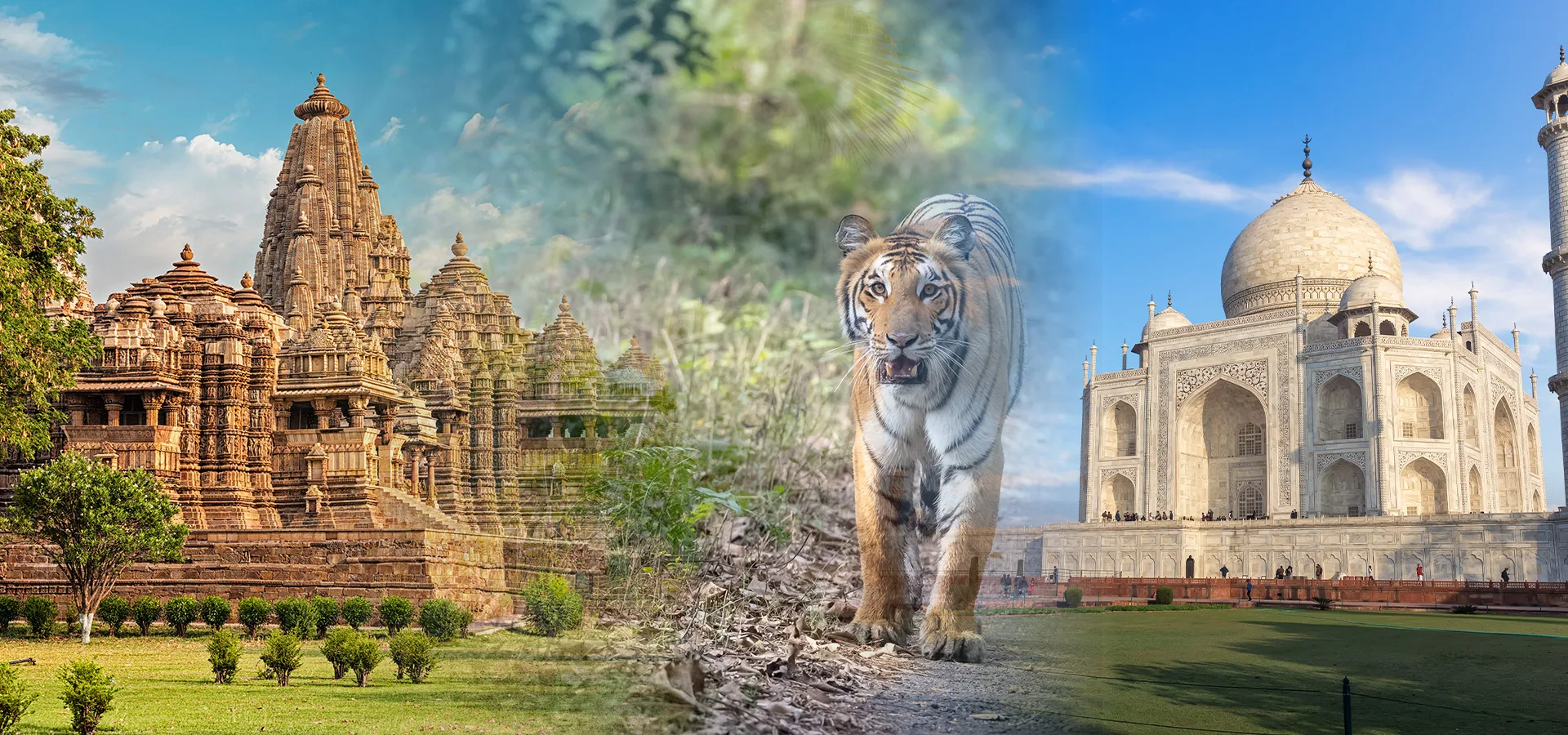
Central India's Tiger Trail

From ₹ On Request
8 Nights

Wildlife & Heritage Grand Circuit

From ₹ On Request
9 Nights

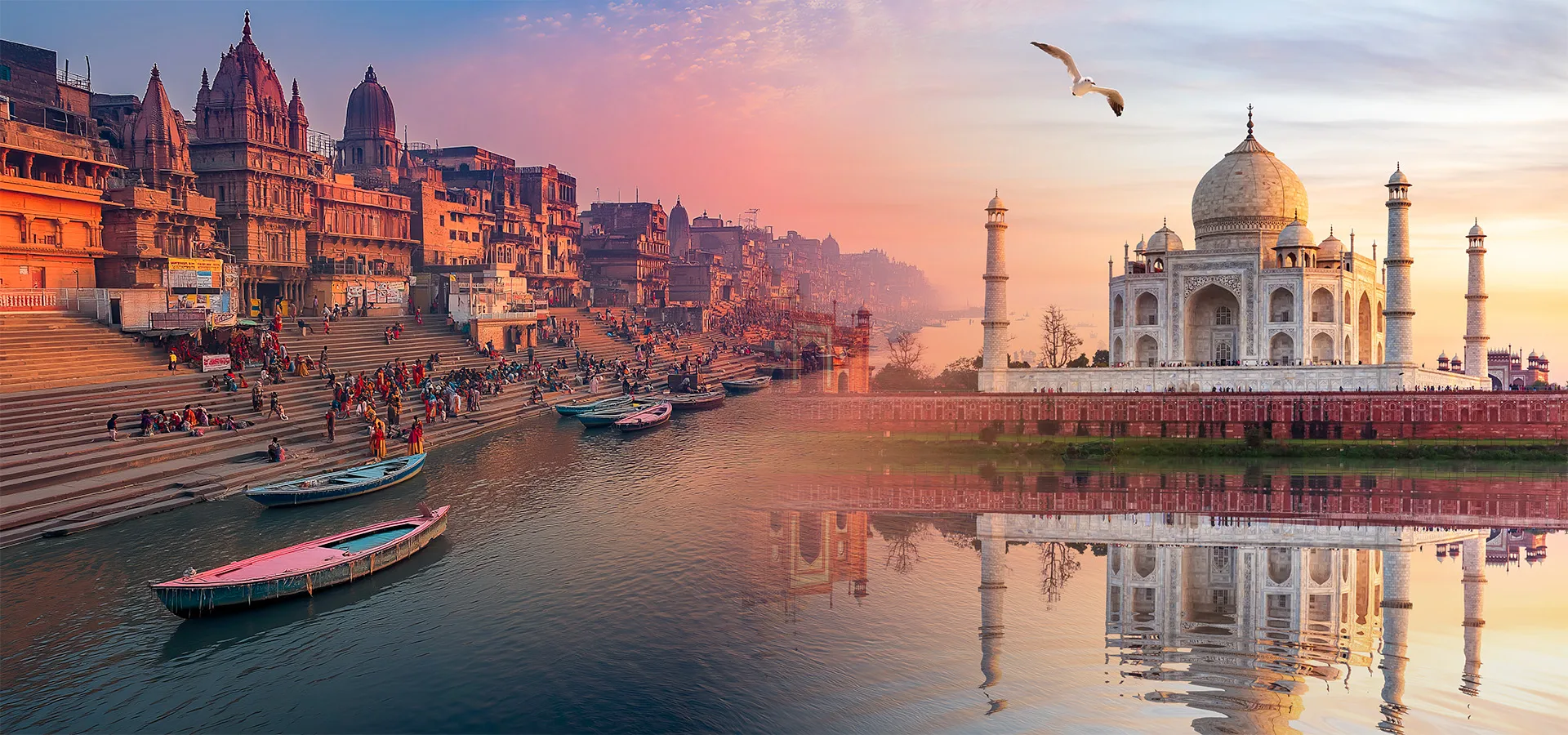
Golden Triangle with Khajuraho & Varanasi

From ₹ On Request
10 Nights

North India Heritage Trail

From ₹ On Request

Plan your Gwalior visit

Get a Custom Itinerary