Delhi has been a seat of power for over three thousand years, with archaeological evidence of settlement dating back to at least the Mauryan era. Historians count at least seven distinct historic cities built on or near the same site — from the Tomar Rajput city of Lal Kot to Shah Jahan's 17th-century Shahjahanabad and the British-built New Delhi of the 1930s — each leaving monuments still standing today.
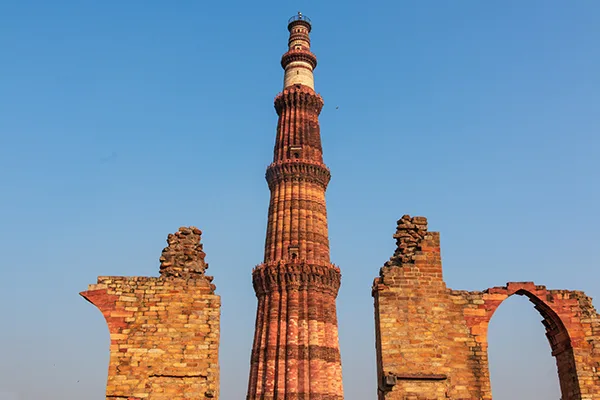
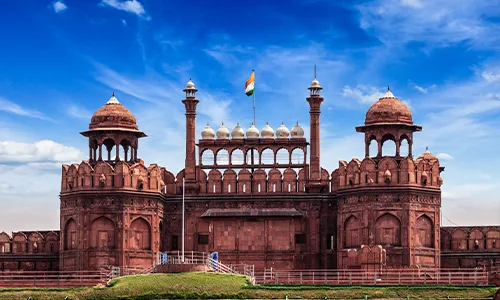
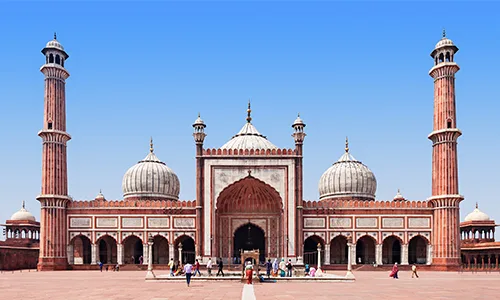
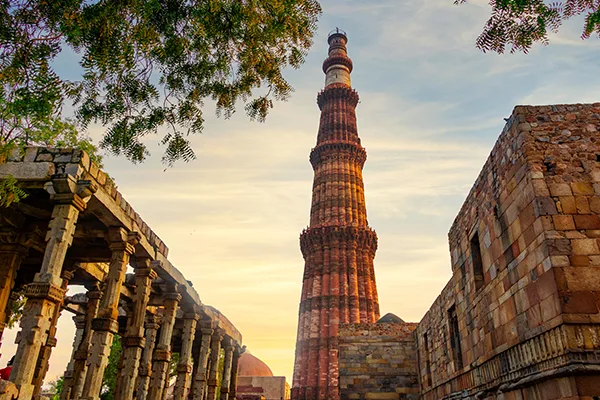
This layering is what makes Delhi unique among India's capitals: a single day can take you from the 73-metre Qutub Minar (begun in 1192) to the Mughal grandeur of the Red Fort and Jama Masjid, to the imperial boulevards of Lutyens' New Delhi, built as the administrative heart of British India and now home to the modern Indian government.
Tourism in Delhi today is split fairly evenly between this monumental heritage, the chaotic, atmospheric bazaars of Old Delhi (Chandni Chowk above all), and the city's role as the essential gateway to the rest of North India — almost every Golden Triangle, Rajasthan, or Himalayan itinerary begins or ends here.
Delhi's continental climate brings genuinely extreme seasonal swings — timing your visit well makes a significant difference.
Cool and pleasant (10–25°C), ideal for walking tours of Old Delhi and outdoor monuments, though December-January mornings can be foggy.
Post-monsoon, with humidity easing and temperatures becoming more manageable by month's end.
Extreme heat regularly exceeding 42–45°C; the monsoon (July–August) brings humidity and occasional flooding without much relief.
Nine landmarks — Mughal monuments, colonial boulevards, and old bazaars — that define a visit to Delhi.
UNESCO Site
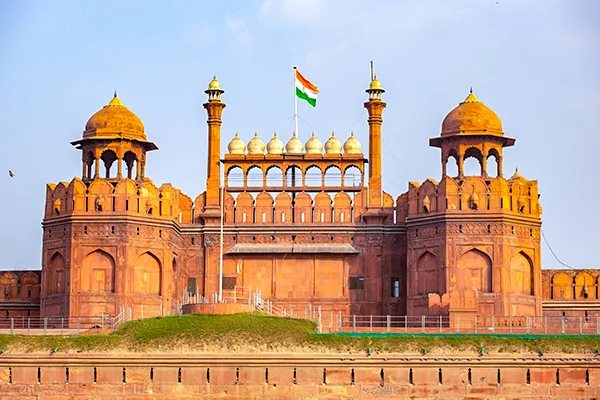
Shah Jahan's 17th-century fortified palace, the political heart of the Mughal Empire for two centuries — a UNESCO World Heritage Site with a daily evening sound-and-light show.
Mosque
One of India's largest mosques, completed in 1656, with a vast courtyard accommodating 25,000 worshippers and minaret-top views over Old Delhi's rooftops.
UNESCO Site
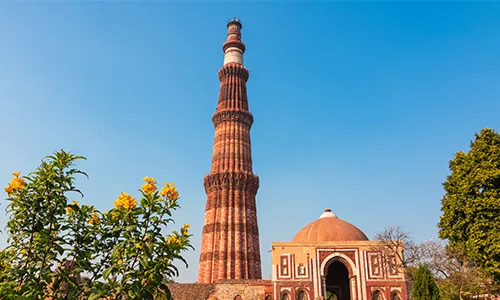
A 73-metre brick minaret begun in 1192, the tallest of its kind in the world — surrounded by the ruins of India's earliest Indo-Islamic architecture, including the famous Iron Pillar.
UNESCO Site
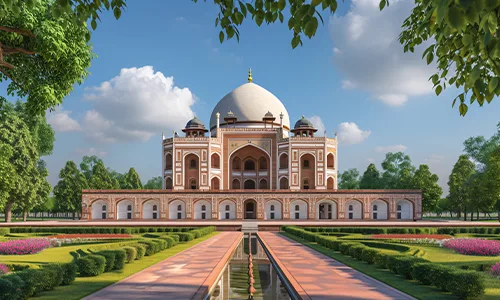
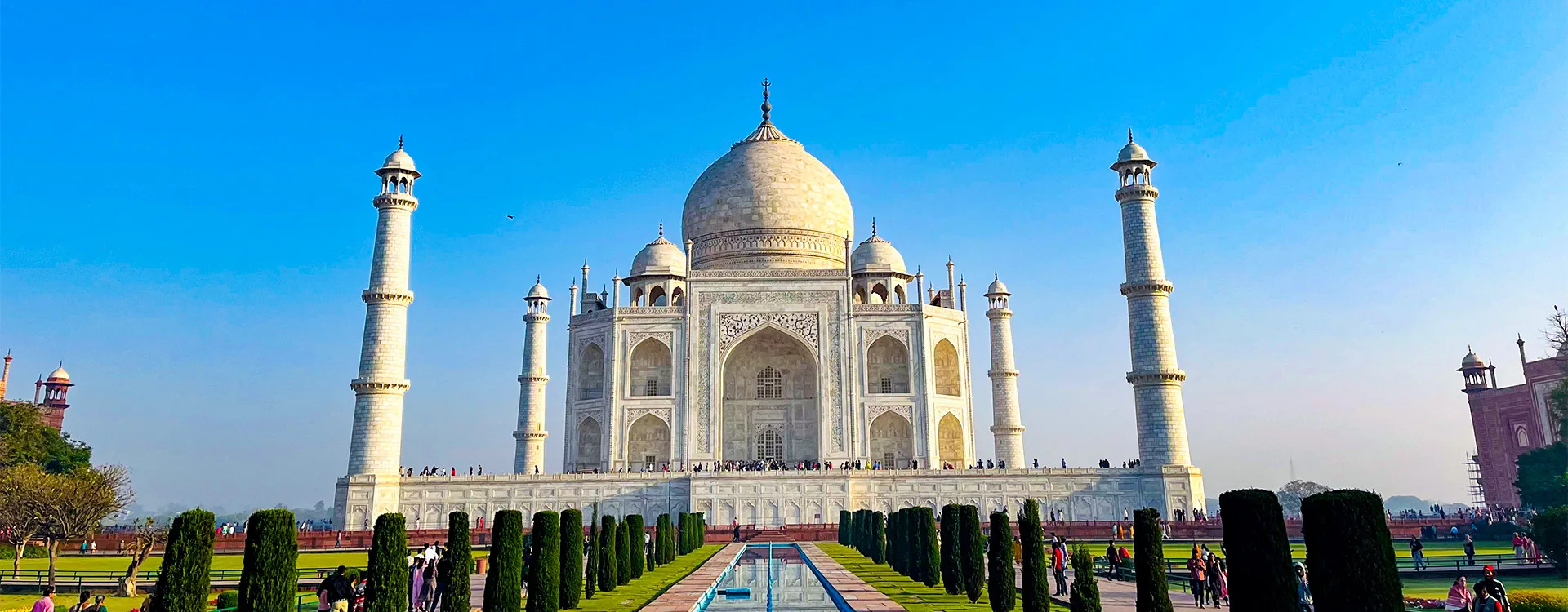
A 1570s garden tomb that directly inspired the Taj Mahal's design — Mughal funerary architecture at its most influential, set in Persian-style charbagh gardens.
Monument
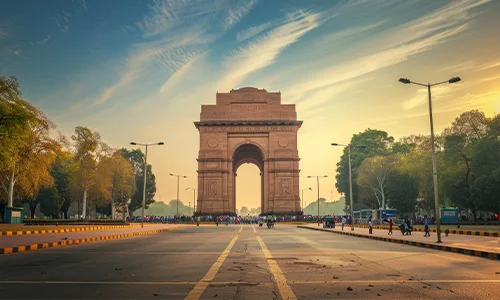
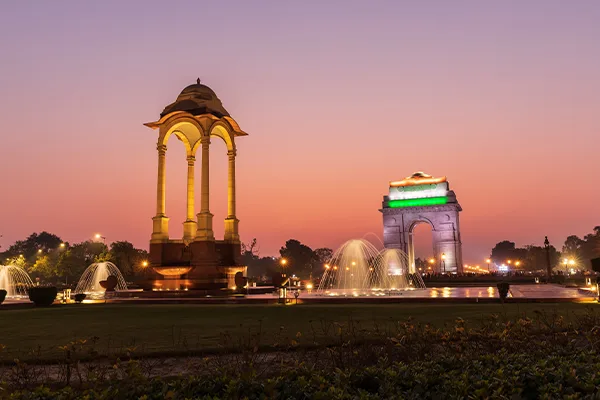
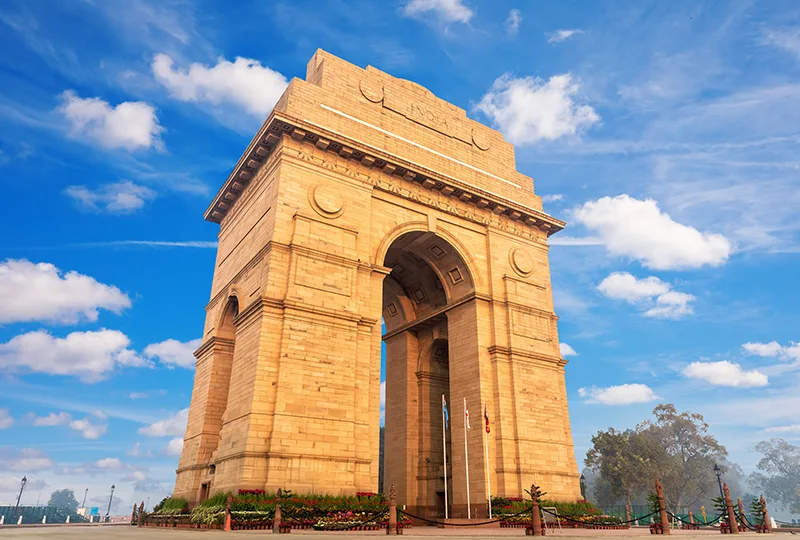
A 42-metre war memorial arch anchoring New Delhi's grand ceremonial boulevard, flanked by the President's House and Parliament — especially atmospheric in the evening.
Bazaar
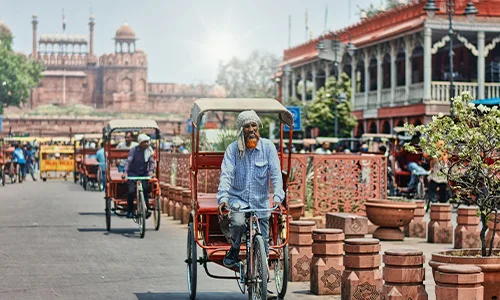
Old Delhi's 17th-century market street, still one of India's most chaotic and atmospheric bazaars — spices, textiles, jewellery, and some of the city's best street food.
Temple
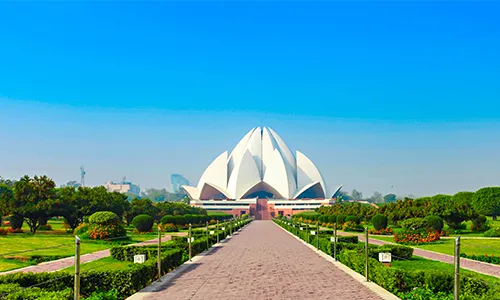
A Bahá'í House of Worship completed in 1986, its lotus-flower architecture made from 27 marble-clad petals — a serene, meditative space open to all faiths.
Temple
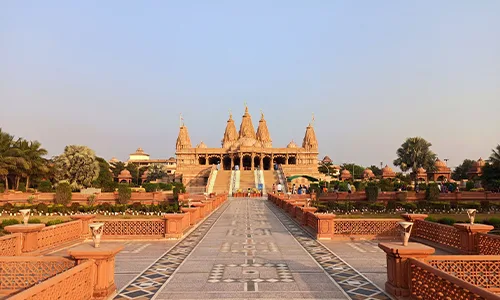
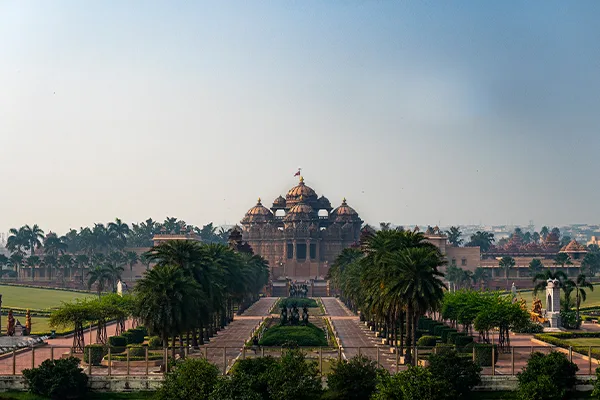
A vast, modern Hindu temple complex completed in 2005, intricately carved by thousands of artisans, with an evening musical fountain show depicting the cycle of life.
Heritage Quarter
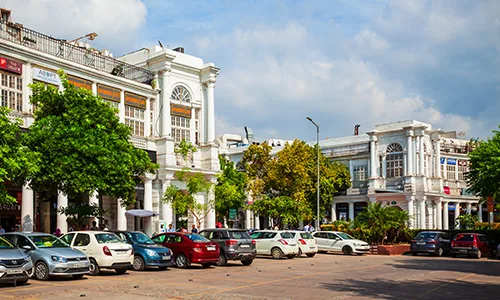
The British-built administrative capital of the 1920s-30s, designed by Edwin Lutyens — wide tree-lined avenues, the Rashtrapati Bhavan, and Connaught Place's colonnaded shopping circle.
Shah Jahan's 17th-century walled city remains Delhi's most atmospheric quarter — the Red Fort and Jama Masjid anchor a tangle of bazaars best explored by foot or cycle-rickshaw.
Chandni Chowk's food lanes are reason alone to spend a half-day wandering without a fixed plan.
The British-built administrative capital offers an entirely different Delhi — wide avenues, grand colonial-era buildings, and the ceremonial heart of modern Indian government.
India Gate and Rajpath are at their best in the evening, when the heat eases and the floodlit monuments draw local families out for a stroll.
Qutub Minar and the surrounding Mehrauli Archaeological Park hold some of Delhi's oldest standing monuments, predating even the Mughal era.
This greener, quieter part of the city rewards visitors with time for a slower, more contemplative pace.
Akshardham Temple and the city's contemporary markets reflect Delhi's rapid modern growth alongside its ancient core.
These sights work well as a contrast day after the historical density of Old and New Delhi.
Delhi is India's primary international gateway and the natural starting point for almost any North India itinerary.
Indira Gandhi International Airport (DEL) is one of the world's busiest, with extensive domestic and international connections.
Delhi has multiple major stations (New Delhi, Old Delhi, Nizamuddin) with extensive connections across India, including the Shatabdi Express to Agra and Jaipur.
Delhi sits at the hub of several major expressways, making it the natural starting point for road-based Golden Triangle and North India itineraries.
What to eat, and a few customs worth knowing, before you arrive
Parathe Wali Gali's stuffed parathas, jalebi, and chaat varieties — among the best street food anywhere in India.
Delhi is credited with inventing butter chicken; the city's Mughlai kebab tradition is equally renowned.
A delicate, frothy winter-only dessert made from whipped milk foam — a Delhi speciality available only in the cooler months.
Cover shoulders and knees at Jama Masjid, temples, and Akshardham — required at most sites.
In Chandni Chowk and most markets, start around half the quoted price and negotiate from there.
Delhi's extensive metro network is clean, affordable, and often the fastest way to avoid traffic between major sights.
A few practical things worth knowing before you arrive in Delhi.
Delhi traffic can be unpredictable — build extra time into your schedule, especially during morning and evening rush hours.
December-January mornings can bring dense fog affecting both flights and visibility — check forecasts if travelling in this window.
A combined ASI ticket covers several monuments including the Red Fort and Qutub Minar — better value than paying separately.
Pre-paid taxi counters at the airport and ride-hailing apps (Uber, Ola) avoid common overcharging issues.
Delhi's air quality can be poor, particularly in winter — sensitive travellers may wish to carry a mask for some days.
Late January sees parade-related road closures around Rajpath — check current restrictions if visiting then.
Government emporiums (Central Cottage Industries Emporium) offer fixed-price, authentic crafts as a no-bargaining alternative.
Old Delhi's bazaars are generally safe but very crowded — keep valuables secure and stay aware of your surroundings.