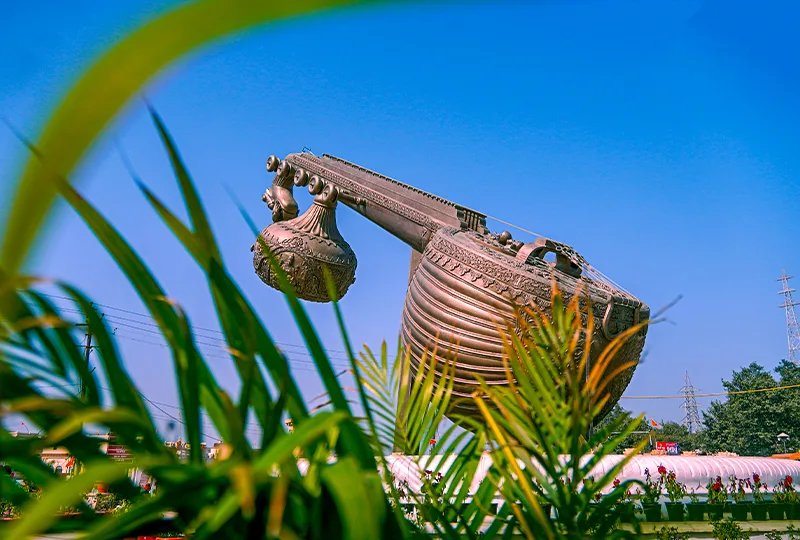
Ayodhya is revered in Hindu tradition as the birthplace of Lord Rama, the central figure of the Ramayana epic, and is counted among the Sapta Puri — the seven most sacred cities for Hindus to visit, alongside Varanasi, Mathura, and others.
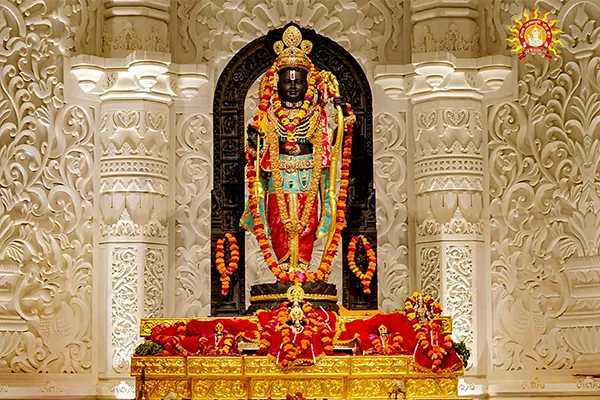
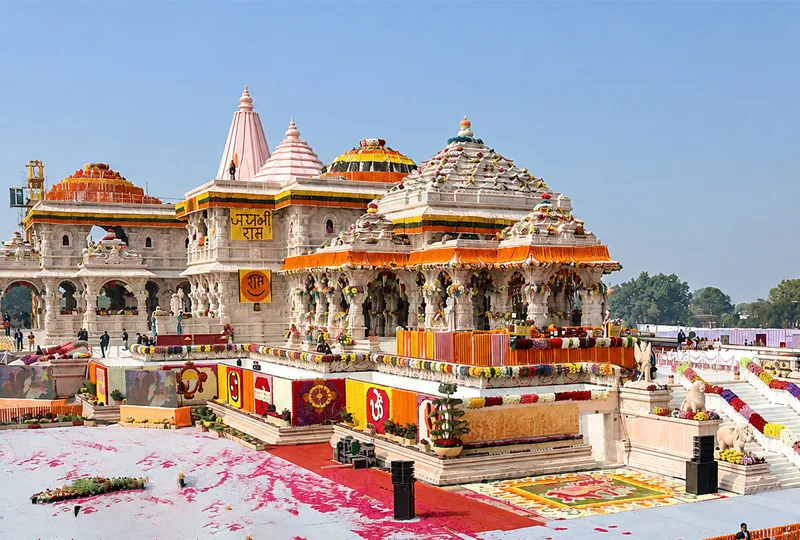
The city has undergone a dramatic transformation in recent years with the construction and January 2024 consecration of the Shri Ram Janmabhoomi Mandir, a grand new temple complex built at the site long venerated as Rama's birthplace — now drawing pilgrims in numbers that have reshaped the city's infrastructure and tourism almost entirely.
Beyond the new temple, Ayodhya holds centuries of layered devotional history along the Saryu River's ghats and in older temples such as Hanuman Garhi and Kanak Bhawan — together making this one of the most significant and rapidly evolving pilgrimage destinations in India today.
Ayodhya's climate follows the broader Gangetic plain pattern, with the comfortable winter months also coinciding with the city's most significant festival period.
Cool and comfortable (10–25°C) — also encompasses Diwali and Ram Navami-adjacent periods, when the city's religious significance is at its most visible and crowded.
Post-monsoon, with temperatures beginning to ease and generally smaller crowds than the peak winter pilgrimage season.
Extreme heat regularly exceeding 42–45°C — temple queues and outdoor walking become genuinely difficult during this period.
Six landmarks — the new temple complex and centuries-old shrines — that define a visit to this rapidly transforming sacred city.
Temple
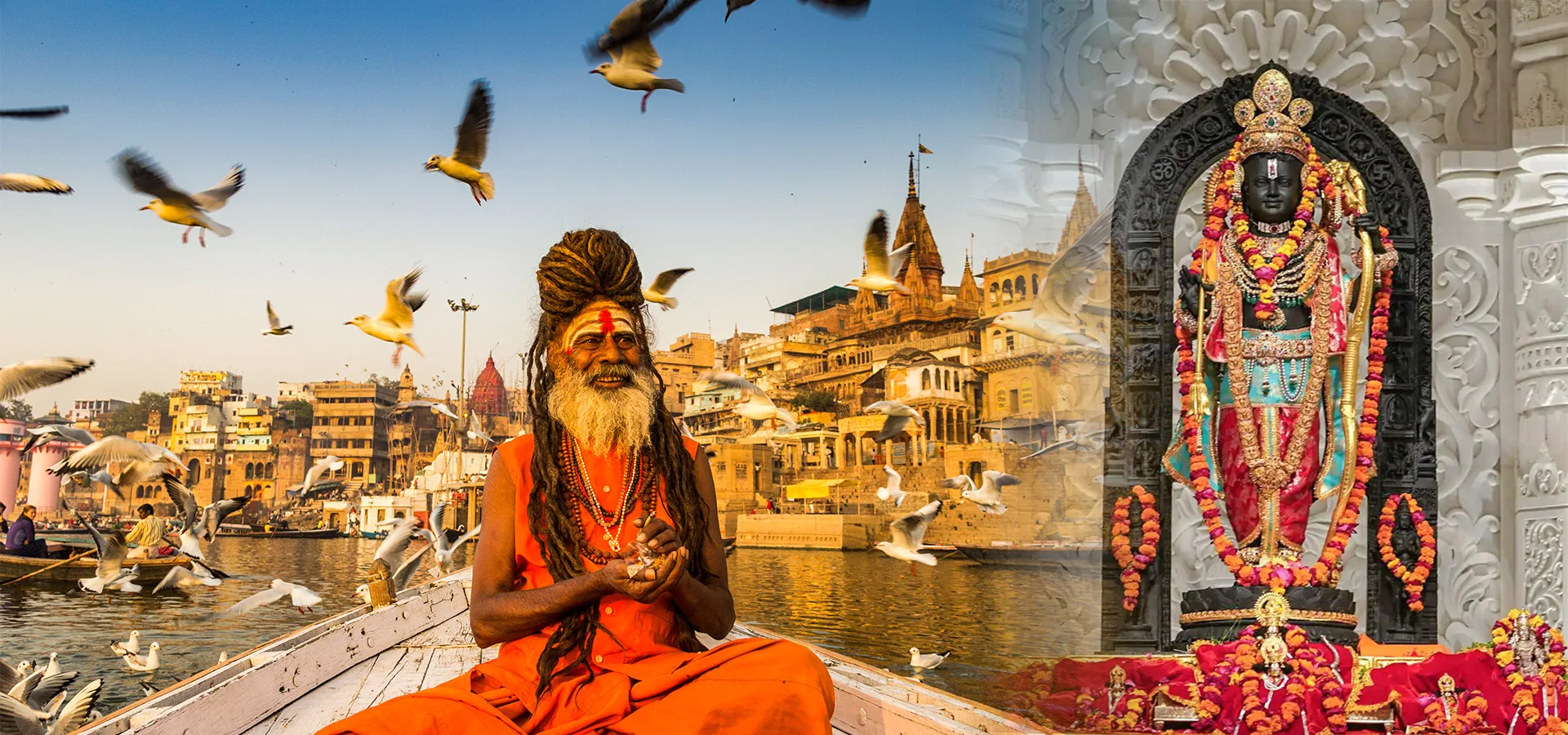
A grand new temple complex consecrated in January 2024 at the site long venerated as Lord Rama's birthplace — now the central focus of pilgrimage and tourism in Ayodhya, with security protocols for visitors.
Temple
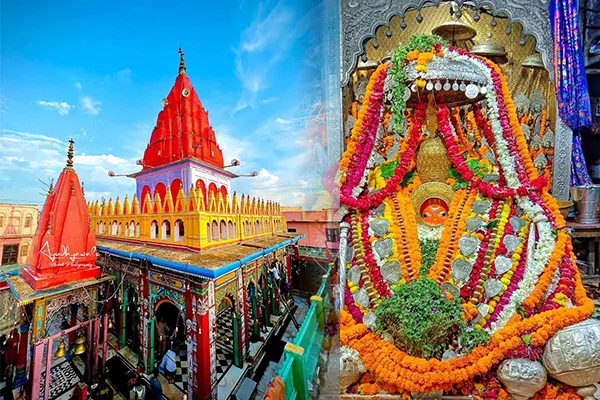
A hilltop temple dedicated to Hanuman, reached by climbing 76 steps, traditionally visited by pilgrims before proceeding to other Ayodhya shrines — one of the city's most popular temples.
Temple
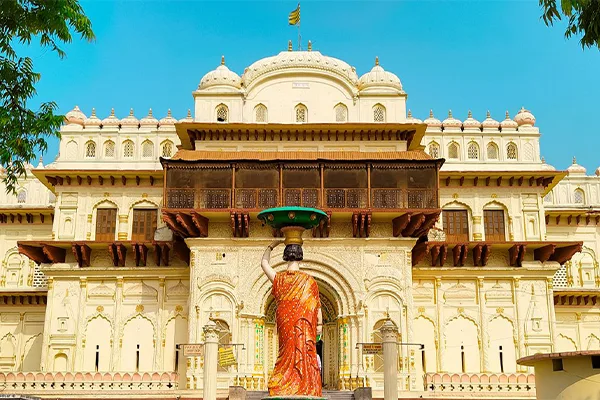
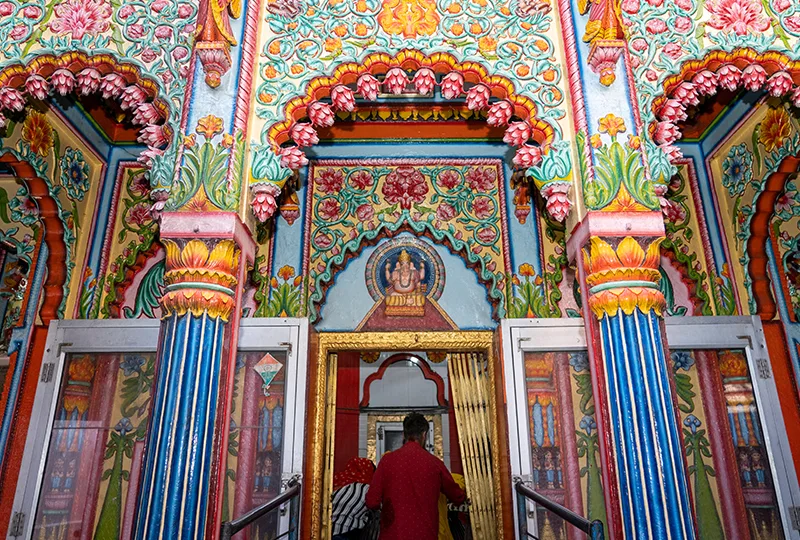
A richly decorated temple believed to have been a gift to Sita from her mother-in-law Kaikeyi, with idols of Rama and Sita adorned in gold and elaborate jewellery.
Riverfront
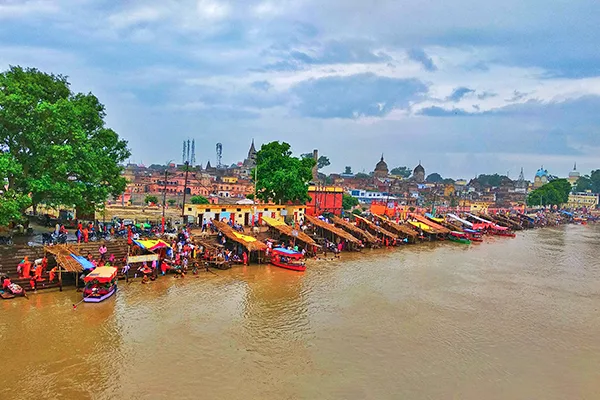
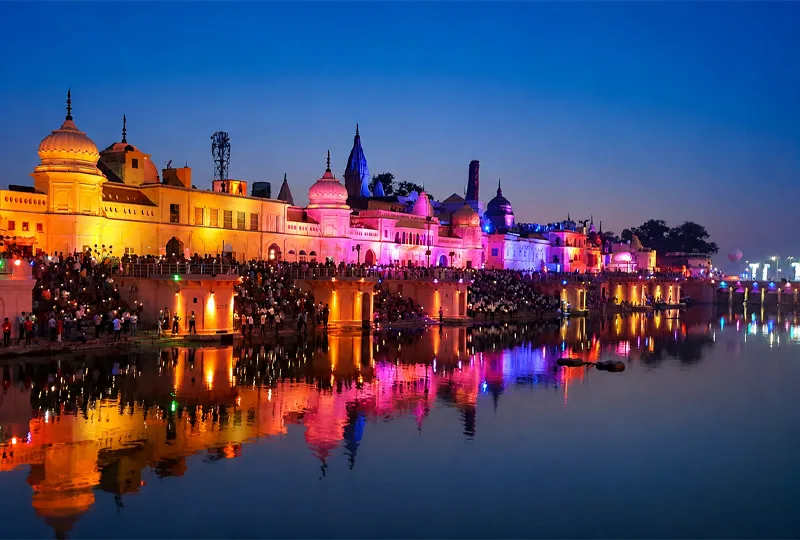
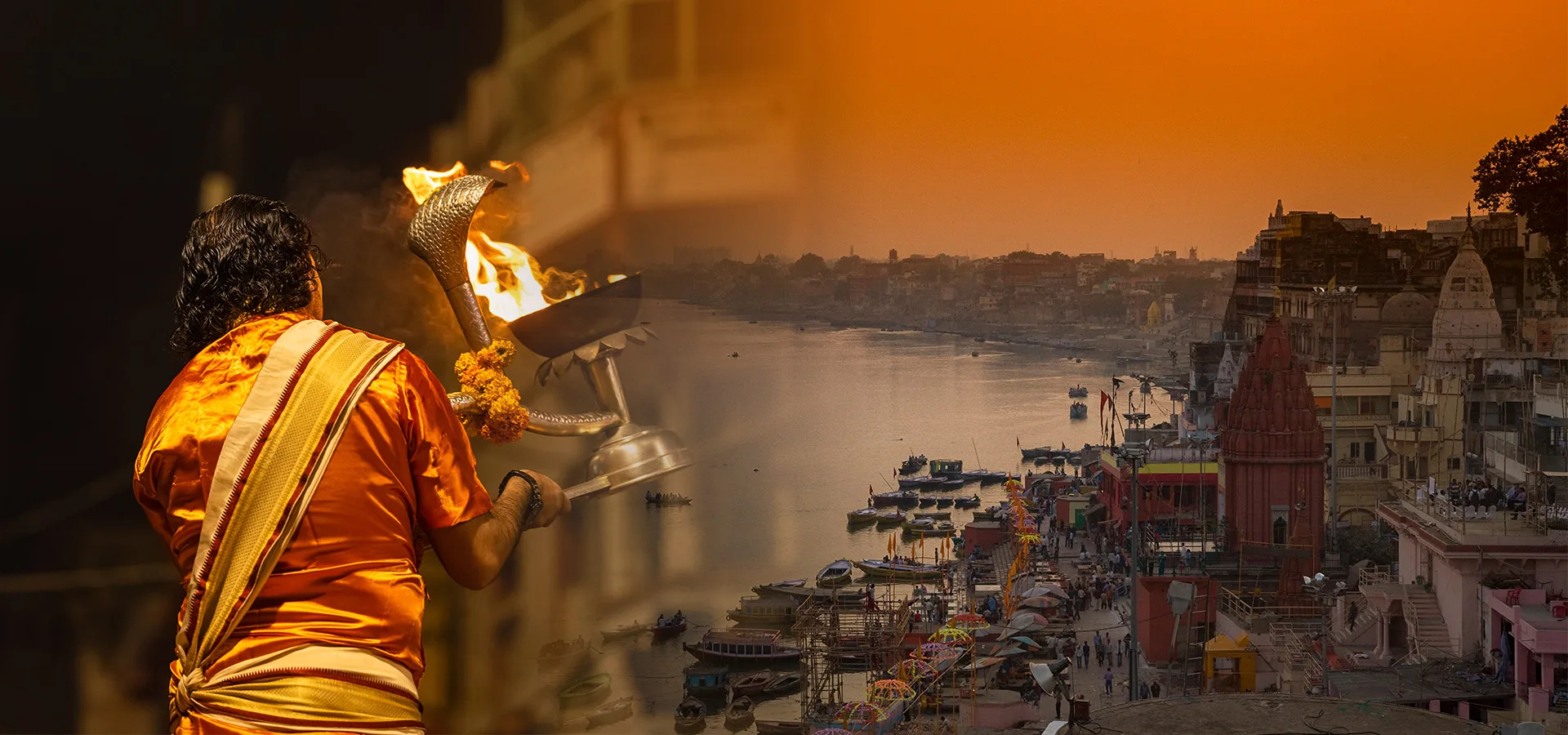
The sacred riverfront where pilgrims perform ritual bathing, with an evening aarti ceremony at Ram ki Paidi drawing increasing crowds as the city's pilgrim numbers grow.
Temple
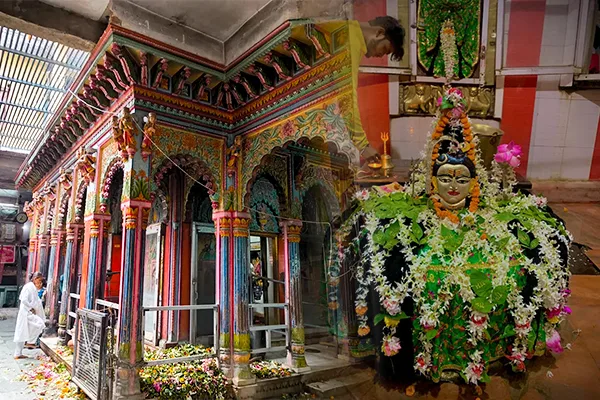
An ancient Shiva temple, said to have been established by Rama's son Kush, with the current structure rebuilt in the 18th century — a quieter alternative to the busier Rama-focused sites.
Temple
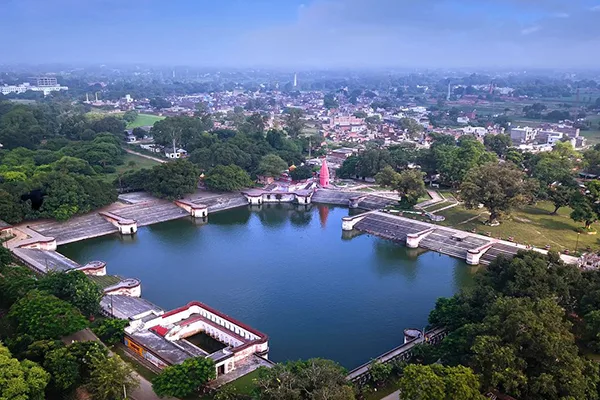
A temple believed to mark the site where Rama performed a yagna (fire ritual), with black sandstone idols said to date back many centuries, rebuilt and maintained over generations.
The new temple complex is now the overwhelming focus of any Ayodhya visit — expect significant security screening and queue times, particularly on weekends and festival dates.
Plan your visit timing carefully and check current darshan procedures before arrival, as protocols continue to evolve.
Beyond the new complex, Ayodhya's older temples — Hanuman Garhi, Kanak Bhawan, and Nageshwarnath — represent centuries of continuous devotional practice.
Many pilgrims visit these in a traditional sequence alongside the main temple.
The riverfront ghats offer a calmer, more contemplative dimension to an Ayodhya visit, away from the temple queues.
The evening aarti at Ram ki Paidi has grown significantly in scale and ceremony in recent years.
Ayodhya's connectivity has expanded rapidly with the new temple's consecration, including a new airport and significantly upgraded rail station.
Maharishi Valmiki International Airport (AYJ), opened in 2024, has direct flights from Delhi and several other major Indian cities, with international connectivity expanding.
Ayodhya's railway station has been substantially redeveloped, with significantly improved connections to Delhi, Lucknow, and Varanasi.
Ayodhya is well connected by road to Lucknow and Prayagraj, both popular combinations for a wider Uttar Pradesh pilgrimage circuit.
What to eat, and a few customs worth knowing, before you arrive
Various temples distribute prasad (blessed food offerings) — a meaningful part of the pilgrimage experience to accept respectfully.
Ayodhya's food culture shares influences with nearby Lucknow's Awadhi tradition, alongside simpler vegetarian pilgrim fare.
Much of central Ayodhya, particularly near the temples, maintains vegetarian-only dining out of religious observance.
Conservative, modest dress is expected throughout Ayodhya given its profound religious significance — plan accordingly.
Security and queue procedures at the main temple are strictly enforced — follow posted guidance and staff instructions carefully.
Photography restrictions apply within the main temple complex — confirm current rules before bringing cameras or phones into queue areas.
A few practical things worth knowing before you arrive in Ayodhya.
The Ram Janmabhoomi Mandir draws very large crowds, especially on weekends and festivals — build significant queue time into your schedule.
Ram Navami and Diwali bring exceptional crowds — visit outside these periods for a calmer experience, or specifically seek them out for the festival atmosphere.
Security protocols at the main temple may require identification — carry a valid photo ID at all times during your visit.
Hotel demand has risen sharply since the temple's consecration — book well ahead, especially around festival dates.
Many pilgrims visit Hanuman Garhi before other temples, following a traditional sequence — a local guide can advise on customary practice.
Summer heat combined with queue times can be genuinely demanding — carry water and consider an early morning visit.
Given the scale of crowds at peak times, agree a meeting point in advance in case your group becomes separated.